
Story
AI-drafted from public sources — may contain mistakes, especially specific dates, names, or claims. Only "Good to know" above is field-checked.
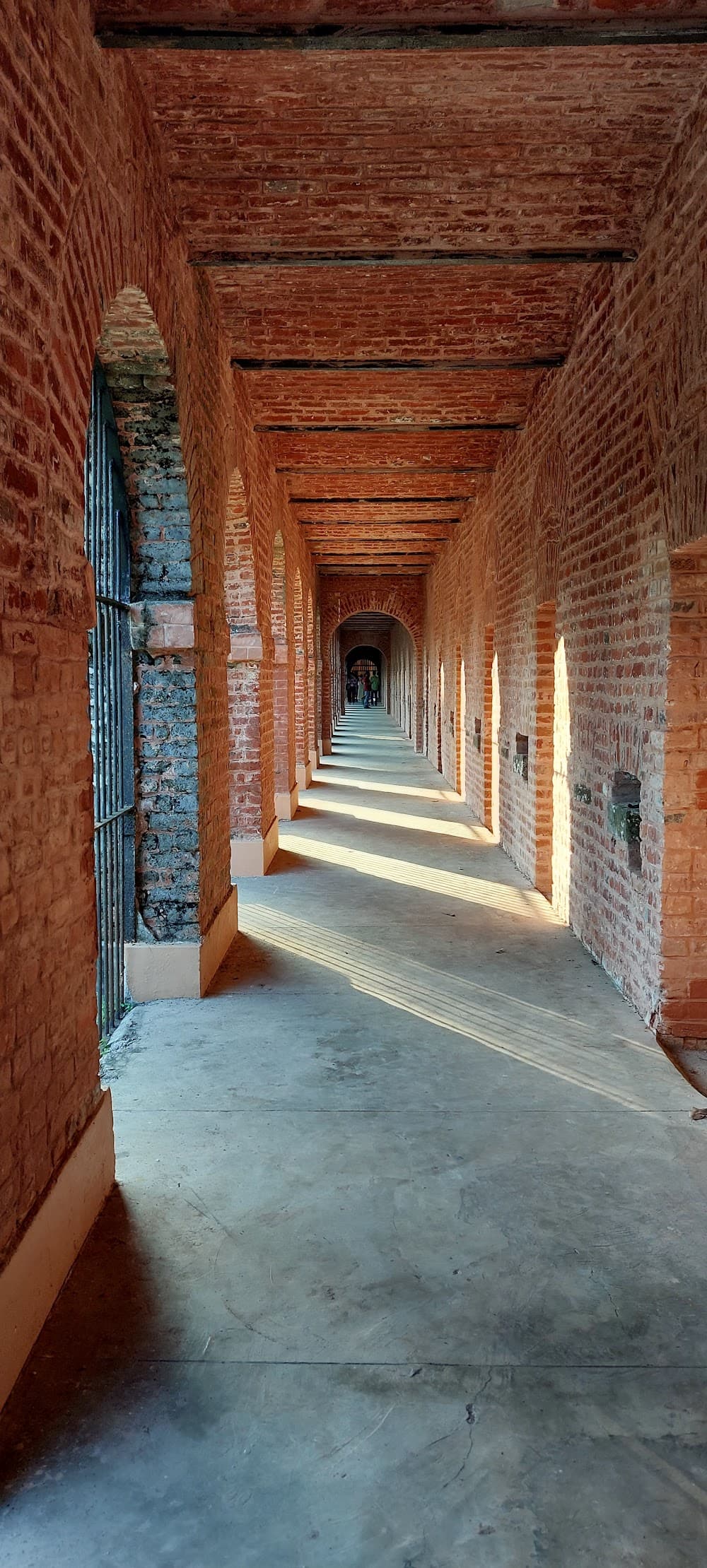
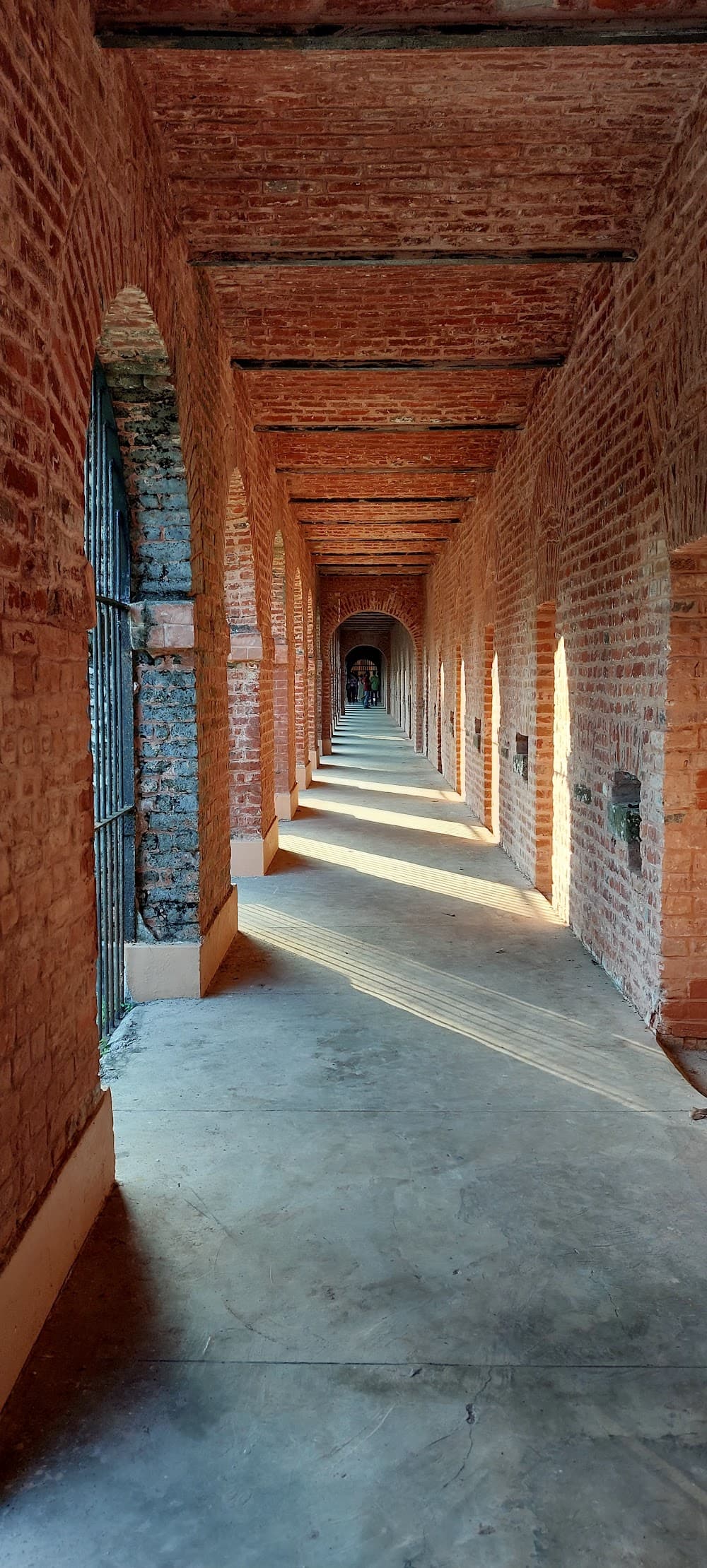
The Veer Savarkar Prison Cell is a historic structure that stands as a testament to the region's colonial past. Built in a style typical of British-era prisons, the cell's sturdy walls are constructed from rust-red laterite stone, with a flat roof and a simple, rectangular layout. The structure's scale is modest, with a compact footprint that reflects its original purpose as a place of confinement. The ornamentation is minimal, with a few strategically placed windows and a plain, wooden door that adds to the cell's austere atmosphere.
In the heart of Port Blair, the Veer Savarkar Prison Cell is a revered site, steeped in tradition and local belief. According to local lore, this humble cell was once the place of imprisonment for the freedom fighter Veer Savarkar, who is said to have spent many arduous years within its walls. Tradition holds that it was here that Savarkar's unyielding spirit was forged, as he continued to inspire and mobilize the people in their struggle for independence. The cell is said to be imbued with a deep sense of devotion and sacrifice, and many visitors come to pay their respects and seek inspiration from the brave freedom fighter's story.
The Veer Savarkar Prison Cell stands as a poignant reminder of the struggles faced by India's freedom fighters. This small, humble cell is where Vinayak Damodar Savarkar, a prominent independence activist, was imprisoned by the British colonial authorities from 1924 to 1937. As you stand before the cell, you can almost hear the whispers of defiance and determination that echoed within its walls. The cell's simple, Spartan interior belies the significance of the events that unfolded here, as Savarkar continued to write and strategize for India's freedom despite the harsh conditions. Today, the Veer Savarkar Prison Cell serves as a powerful symbol of the sacrifices made by those who fought for India's independence, offering a glimpse into the past and a testament to the indomitable spirit of the Indian people.
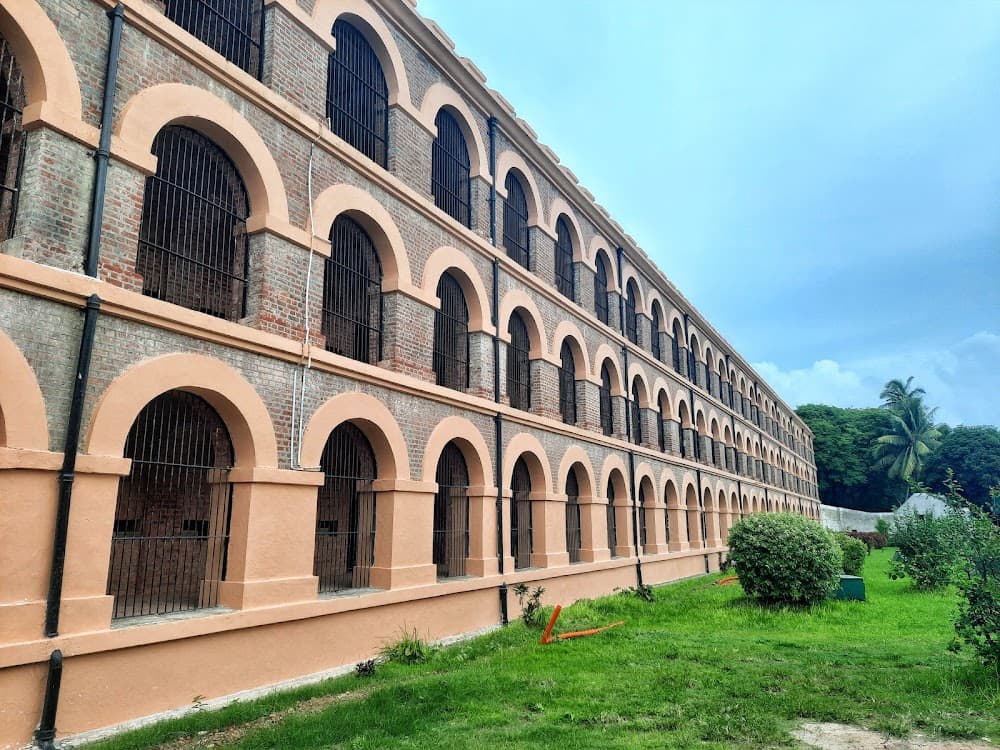
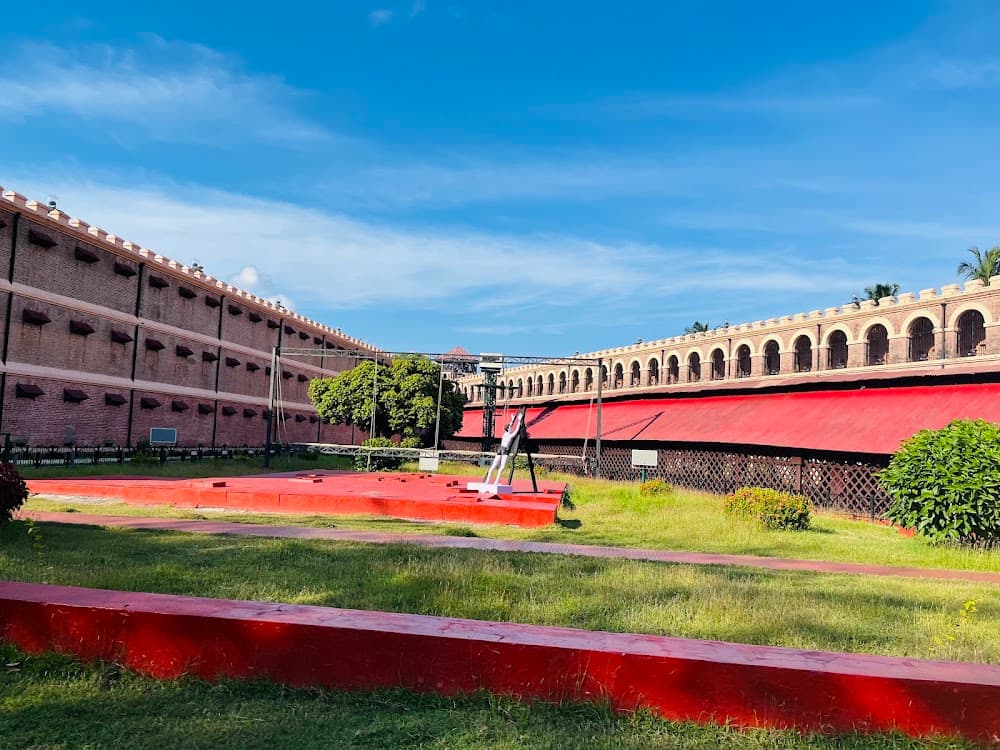
As you explore the Cellular Jail Museum, make sure to visit the Veer Savarkar Prison Cell, a poignant reminder of the struggles faced by Indian freedom fighters. The cell is located within the museum complex and is typically best visited during the morning or late afternoon when the sun is not too harsh. Dress comfortably and wear comfortable shoes, as you'll be exploring a significant portion of the museum on foot. To get to the museum, you can take a taxi or ride-share service from the Port Blair city center, or opt for a scenic walk along the waterfront. Before your visit, confirm the current timings and any applicable fees through the official app or website, as these may be subject to change.