
Puri
Temples, sand art, and devotional music
Warm breeze carries scent of saltwater and incense
Puri. Also Purushottam Kshetra, Shree Kshetra, Sri Jagannath Dham and Neelachala Dhama in temple usage., in Odisha, on the Bay of Bengal, about 60 km from Bhubaneswar.
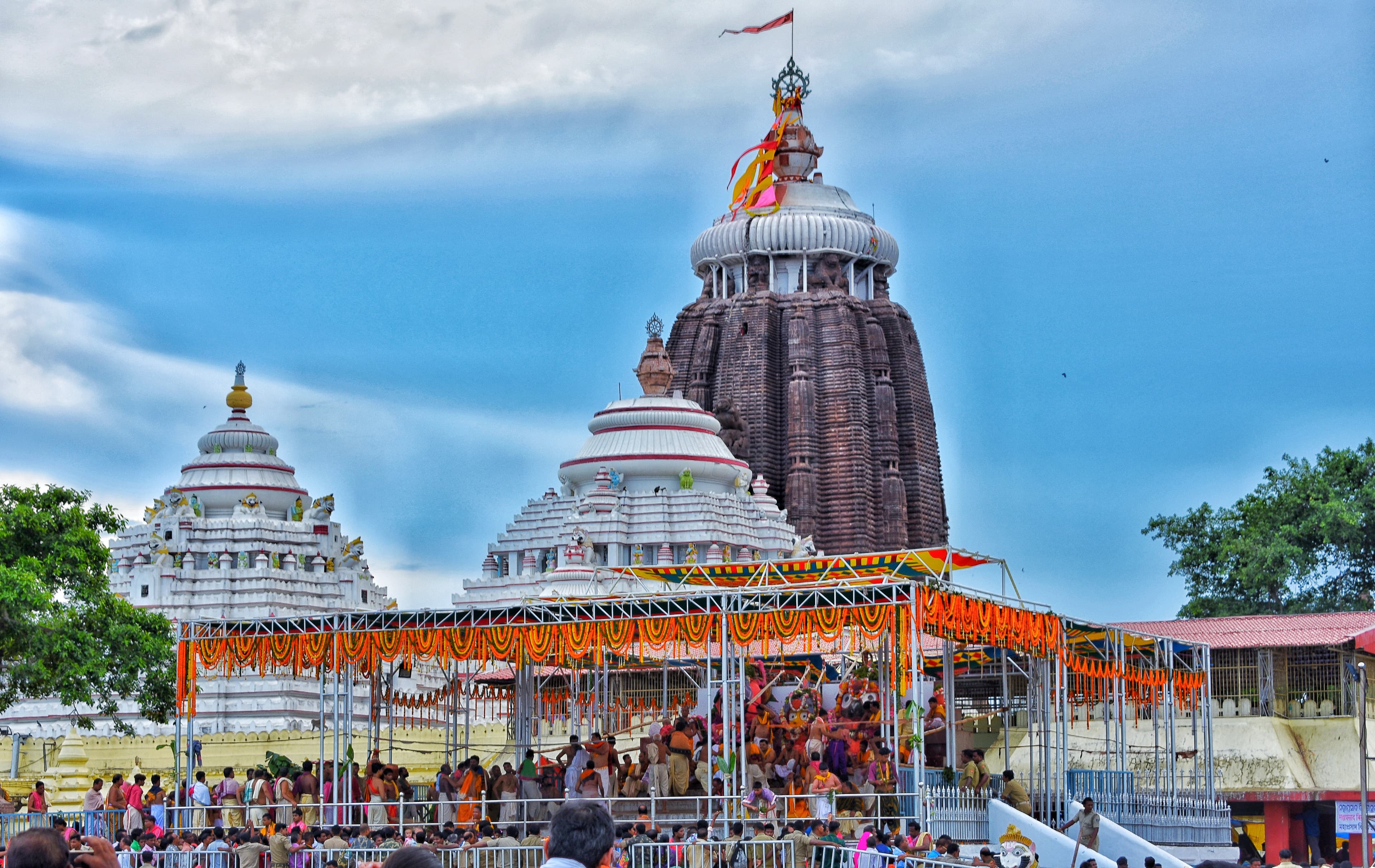
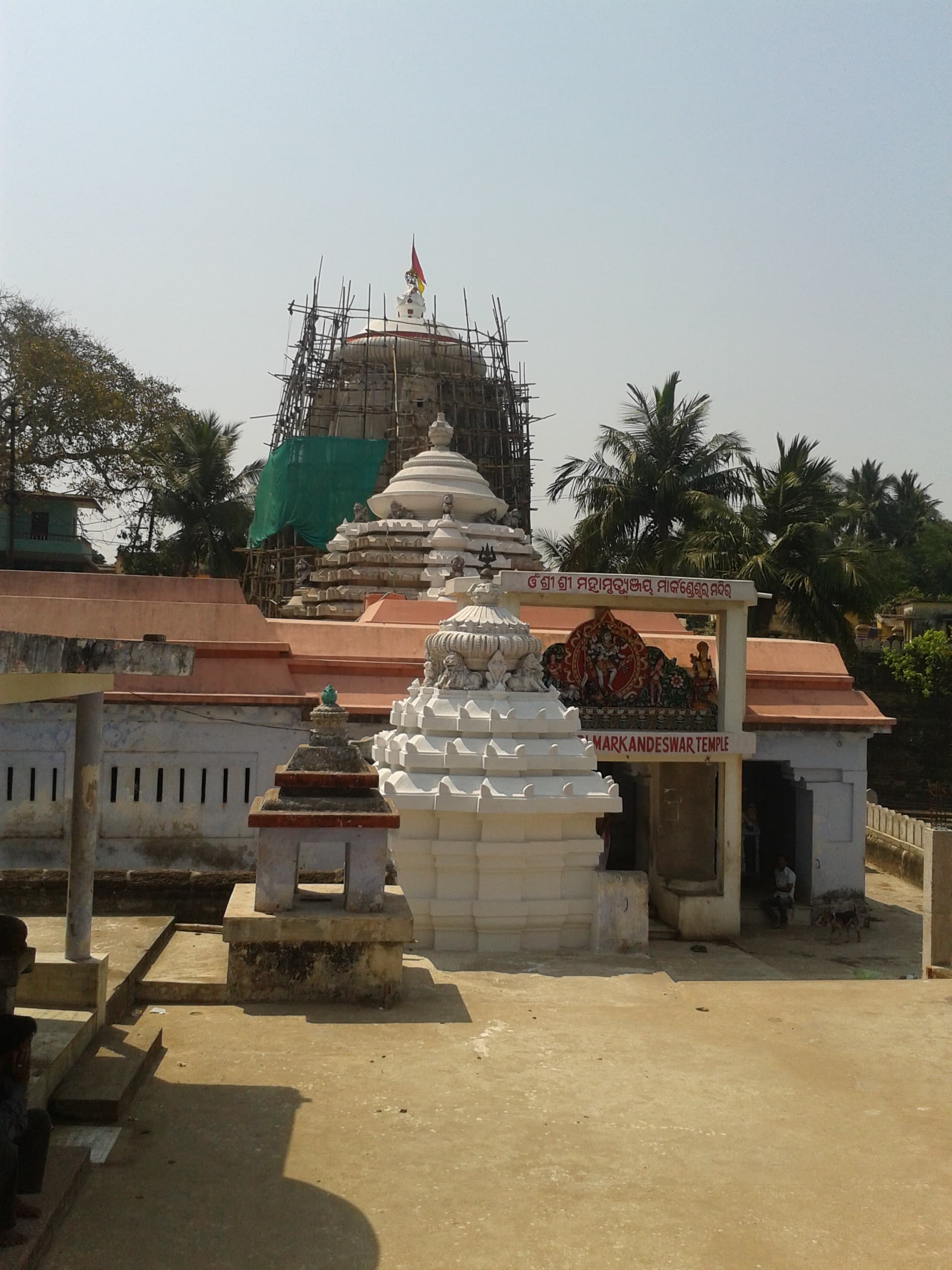
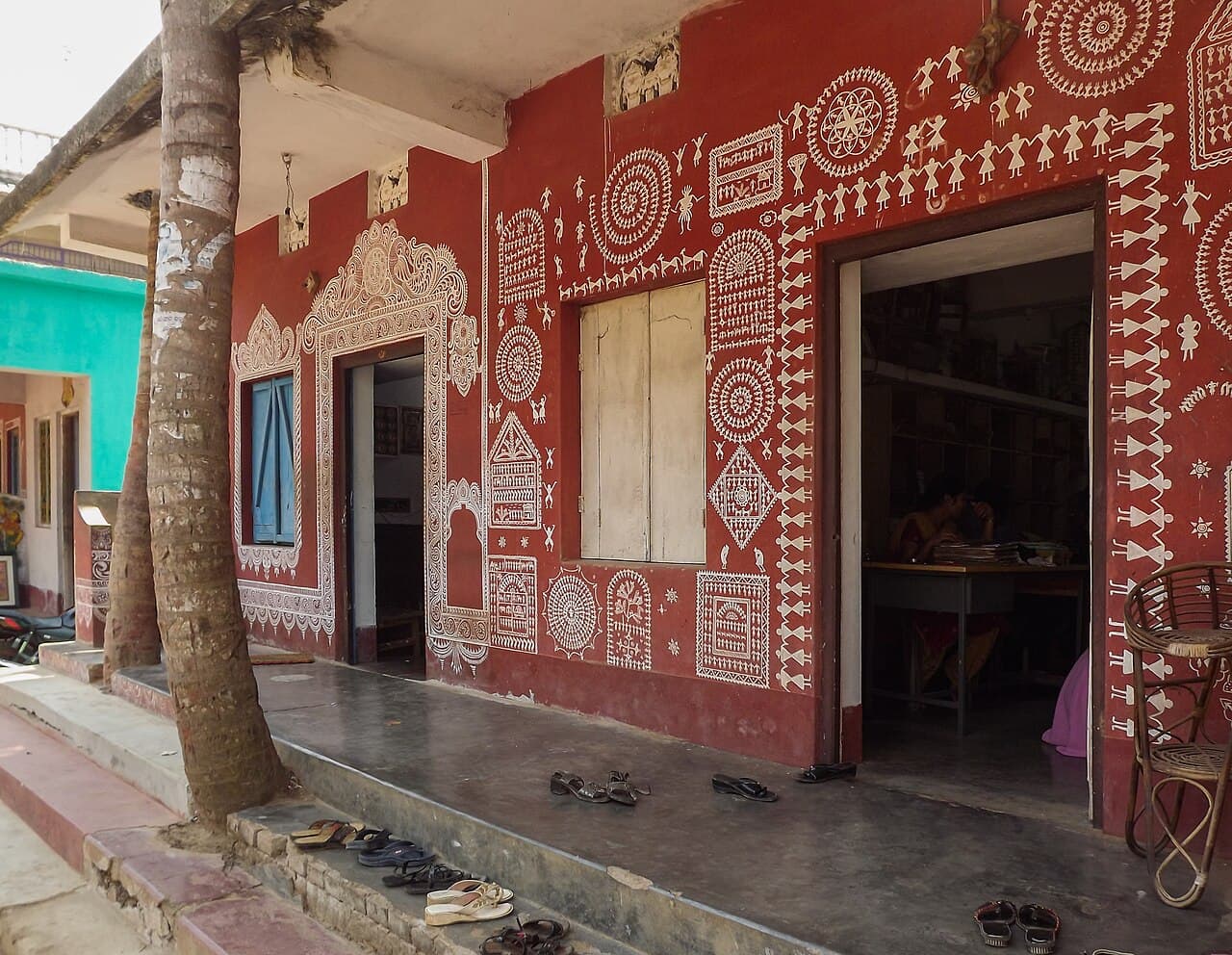
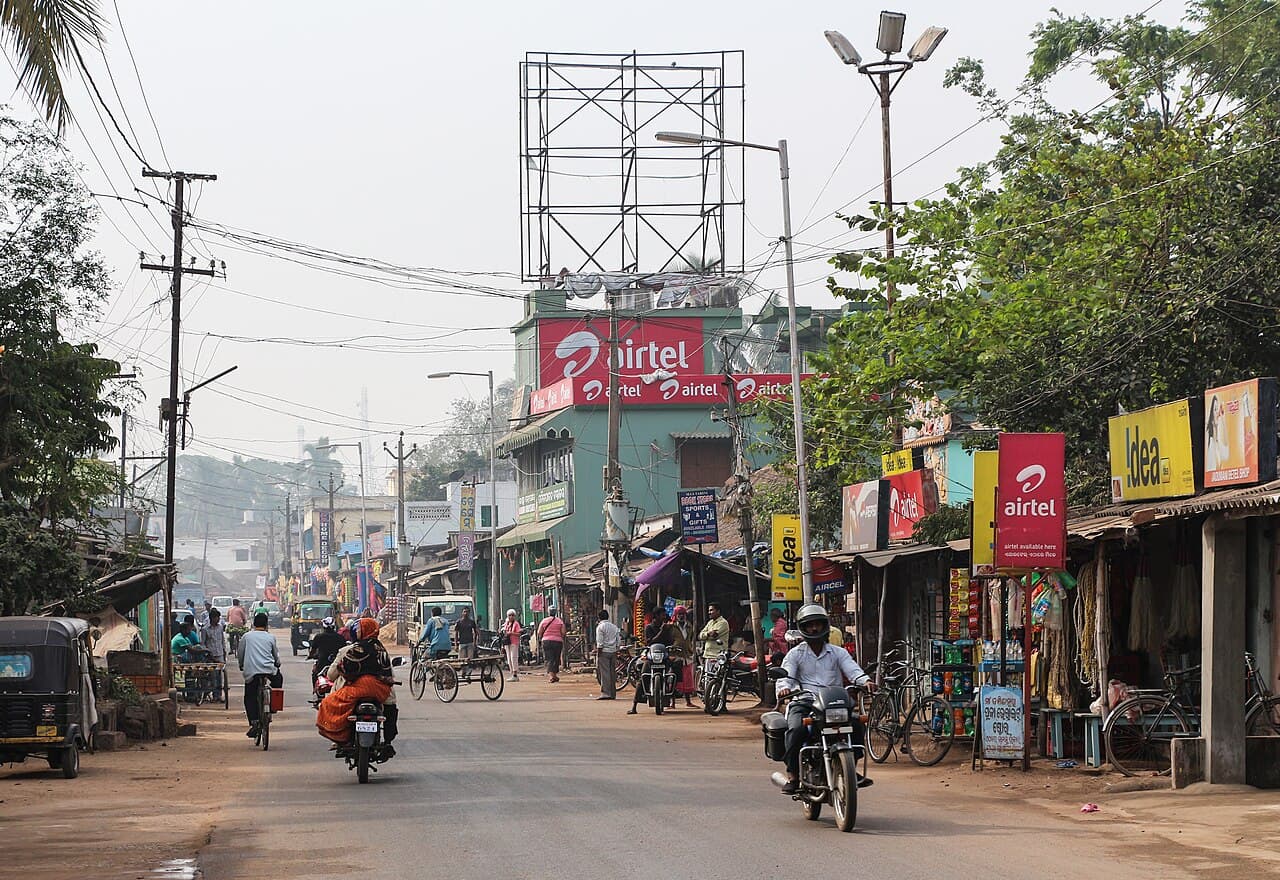
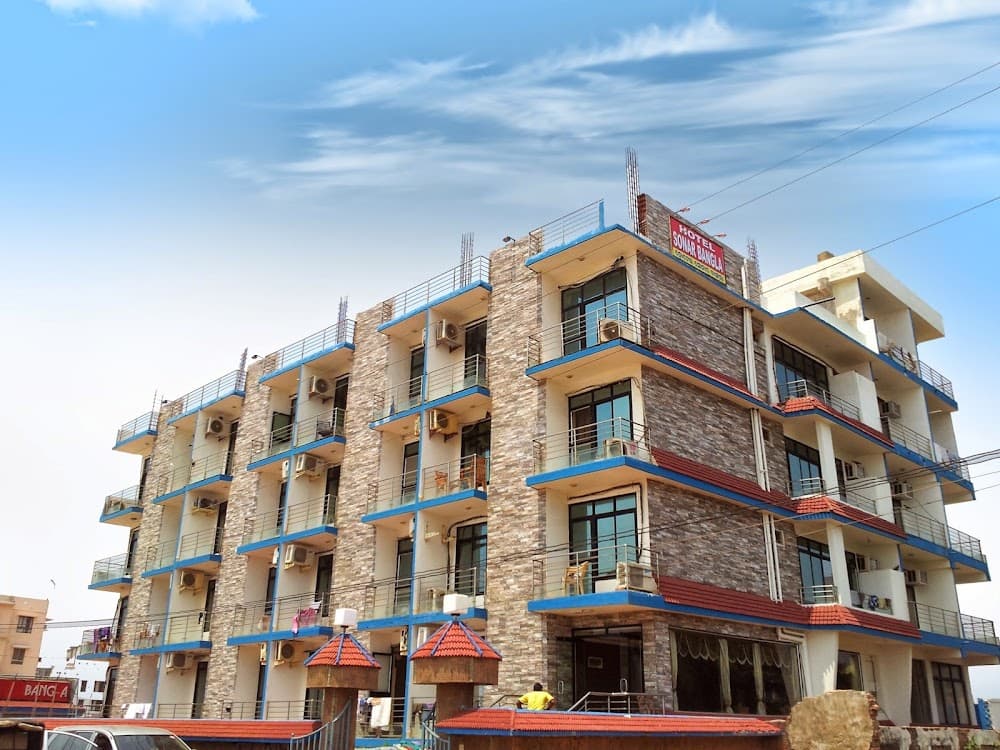
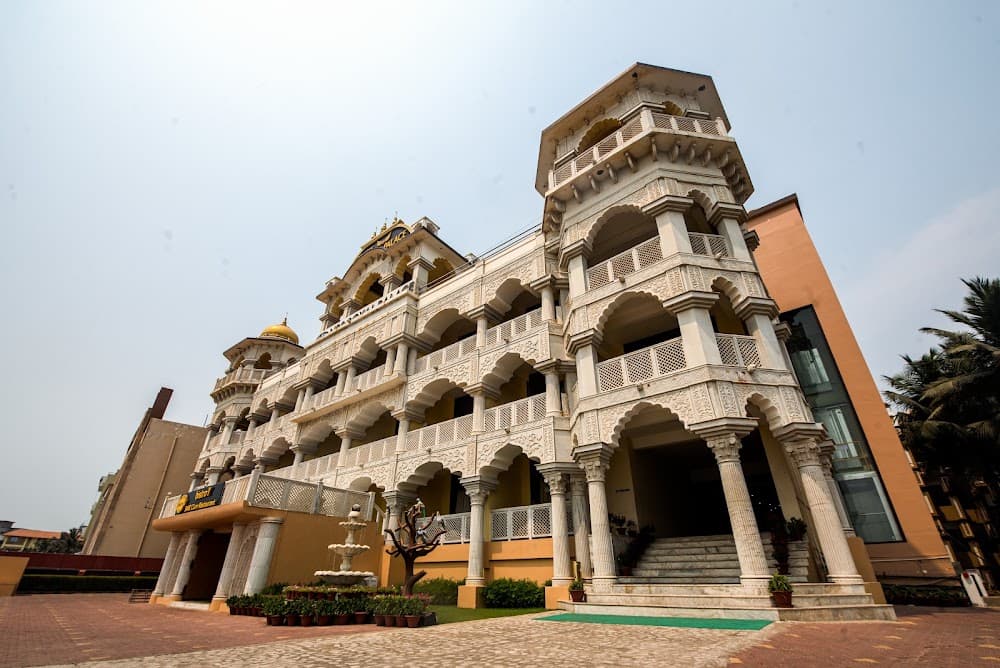
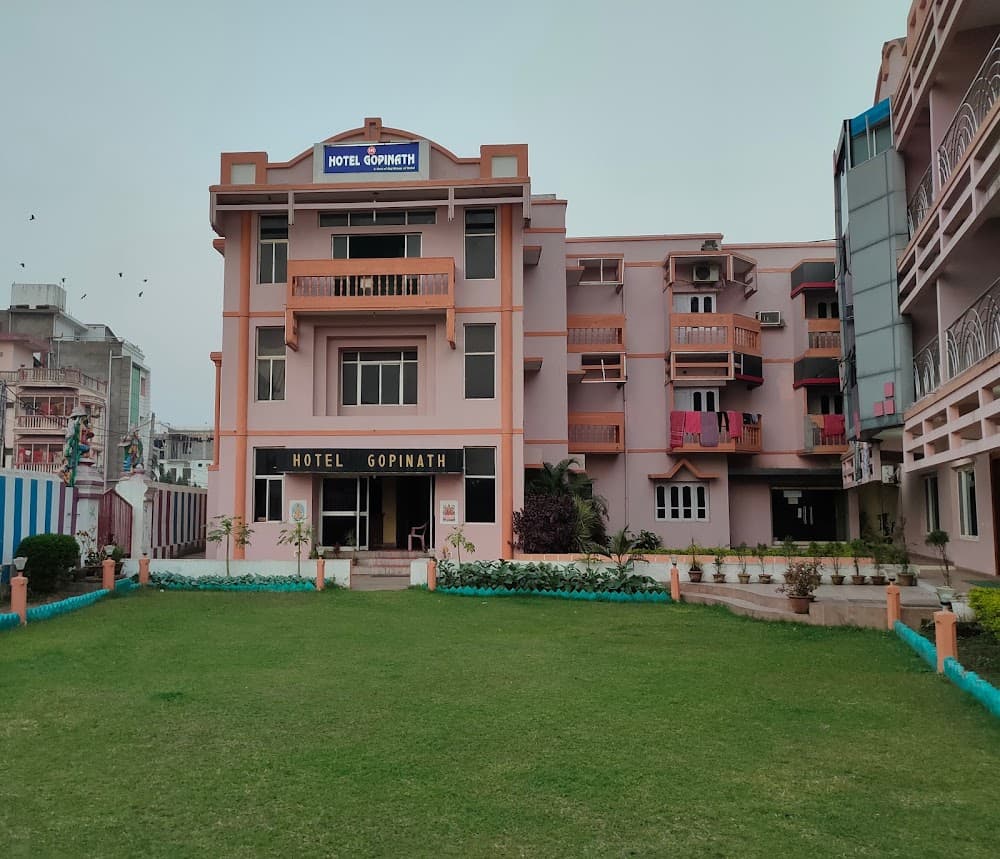
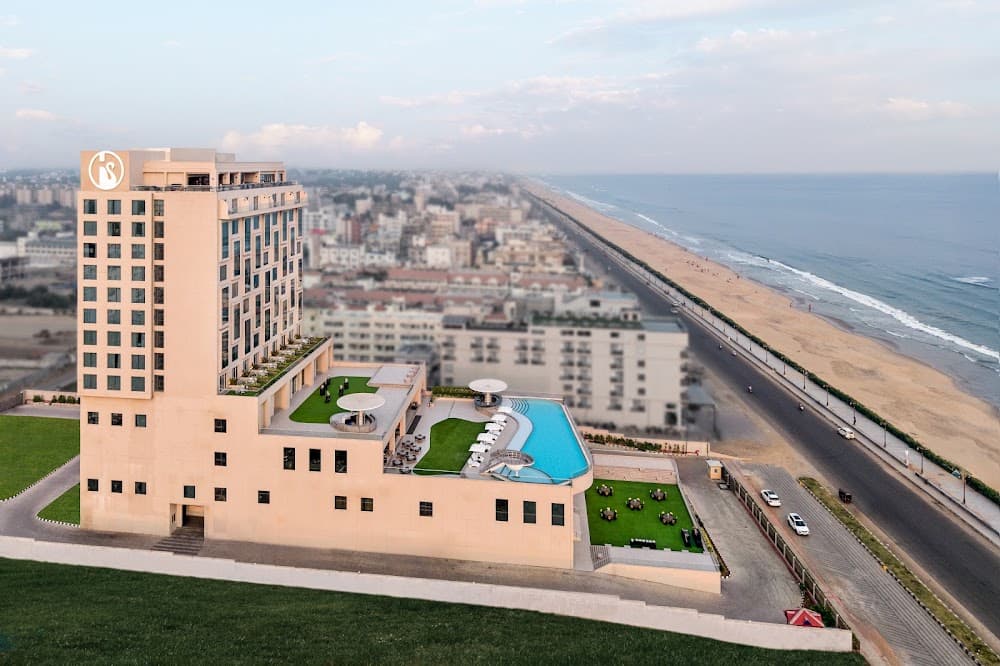
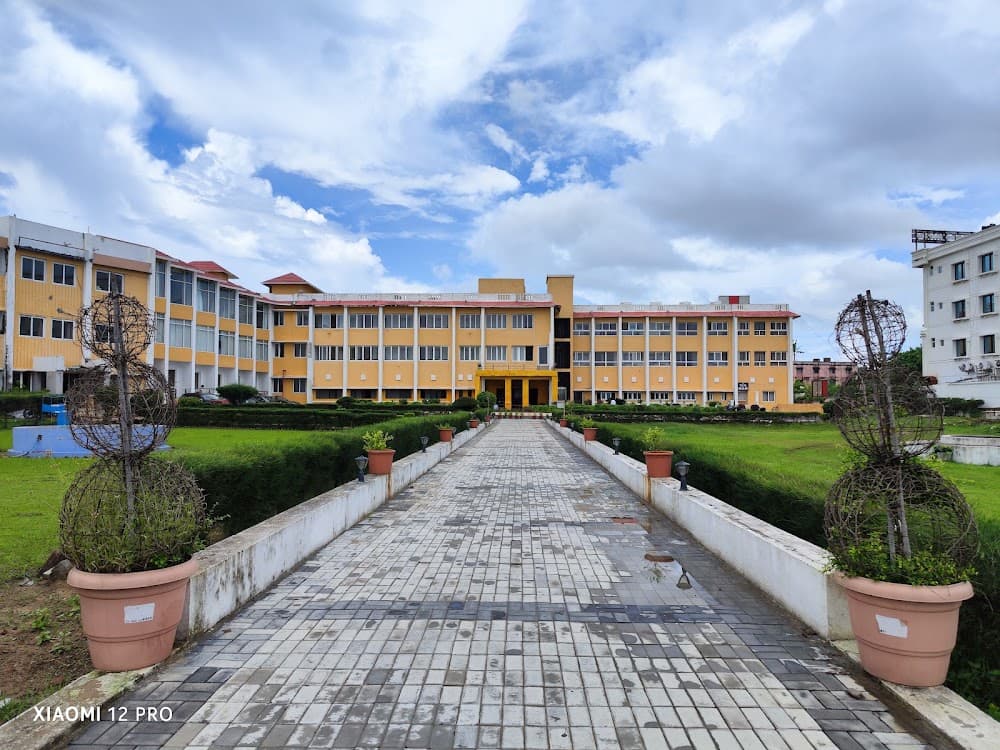
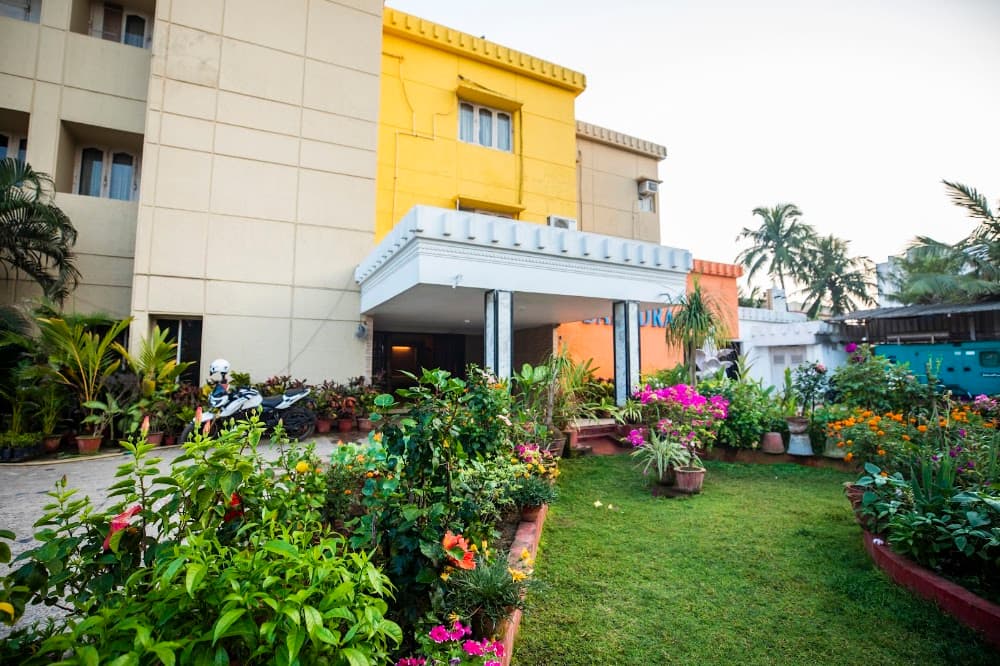
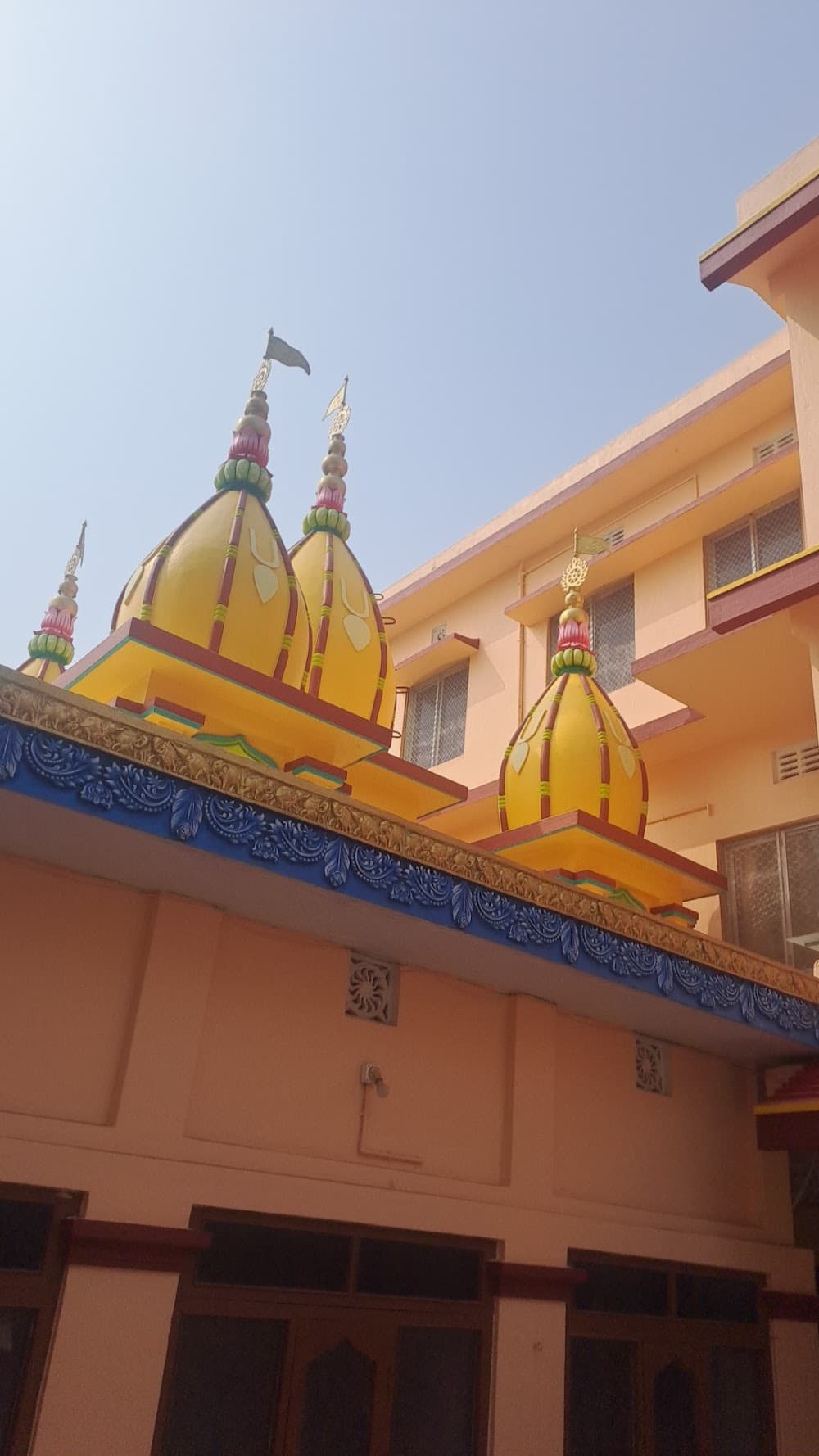
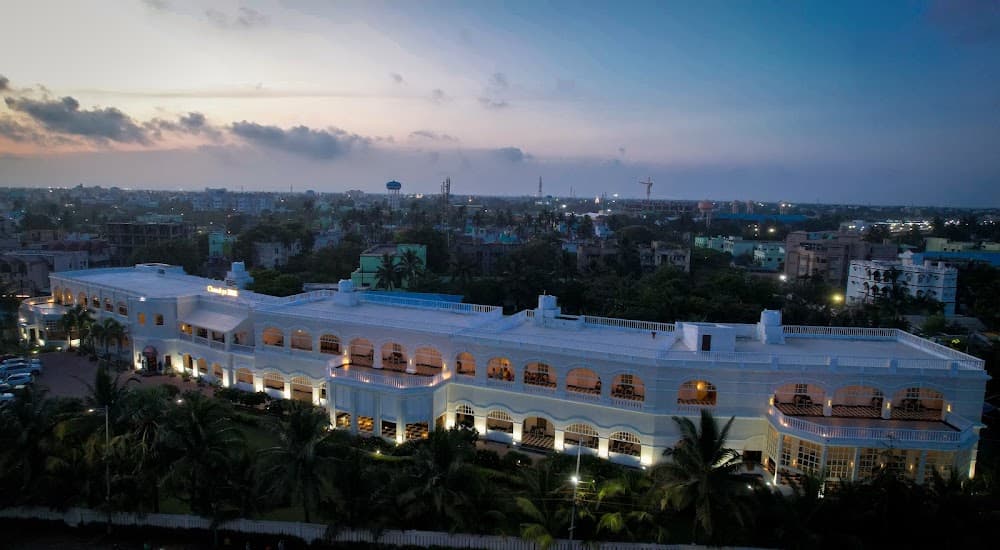
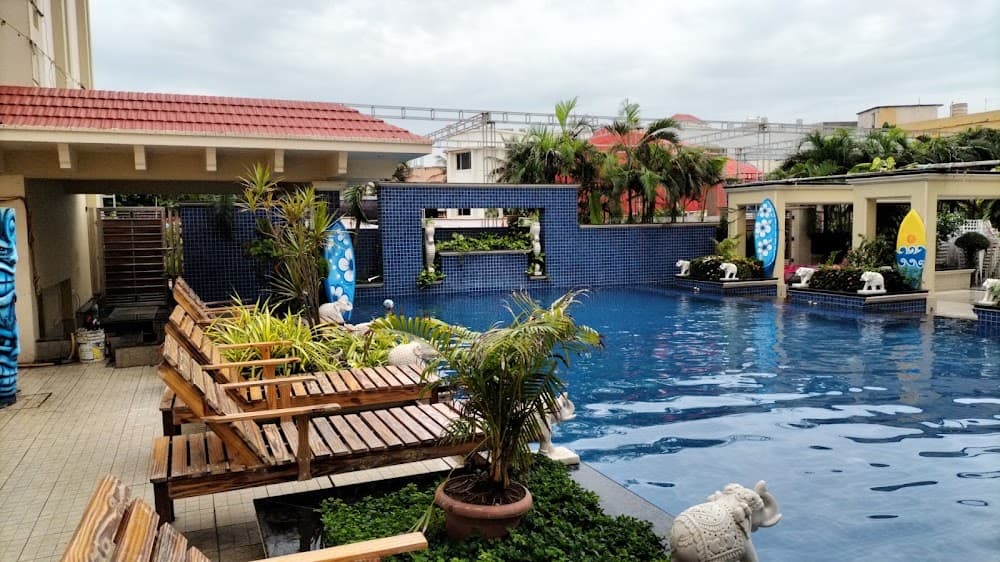
Puri is known for
Why Puri is famous
- •State / setting: Odisha, on the Bay of Bengal, about 60 km from Bhubaneswar
- •Sacred status: One of the four Char Dham, with Badrinath, Dwarka and Rameswaram. Also the seat of Govardhana Matha, one of the four mathas established by Adi Shankara.
- •Why it matters for the product: Sixth city, sixth organising logic. Varanasi grew along a river, Jaipur was drawn as a grid, Madurai as a mandala around a shrine, Lucknow as a court city, Mysuru around a palace and a hill. Puri is organised around a three-kilometre road between two temples that matters for nine days a year - the Bada Danda. The city's plan is a festival route.
- •The triad: Jagannath, his elder brother Balabhadra and his sister Subhadra, with Sudarshana, worshipped on the Ratnabedi alongside Madanmohan, Sridevi and Vishwadhatri.
- •Why they are wooden: Unlike almost every major Hindu temple, the images are carved from sacred neem logs known as daru, not stone or metal. They are replaced in the Nabakalebara ritual - sources give the cycle as every 12 to 19 years, and also as every 8, 11, 12 or 19 - in years when one lunar month of Ashadha is followed by another. The old images are buried at Koili Vaikuntha.
- •The Nabakalebara sequence: The ritual begins with the Banajaga Yatra, in which designated priests travel in search of the sacred neem trees. The Brahma Padartha, the essence within the images, is transferred to the new bodies.
- •Present temple: Built in the 12th century by Anantavarman Chodaganga Deva of the Eastern Ganga dynasty, in Kalinga style, roughly 65 m tall. A 1134-35 CE inscription records his donation to the temple; the Kendupatna copper plates of his descendant Narasimhadeva II record the reconstruction.
- •The kingdom given to the god: Chodaganga's successor Anangabhima III dedicated the kingdom to Jagannath and ruled as his servant. The Gajapati king of Puri still performs the Chhera Pahanra at Rath Yatra, sweeping the chariot platforms.
- •Invasions and administration: Temple records mention eighteen invasions, including Kalapahad's attack in 1568. After the East India Company occupied Odisha in 1803 it administered the temple and levied a pilgrim tax, abolished in 1840. The Shri Jagannath Temple Act, 1955 formalised administration after Independence; the Shree Jagannath Temple Administration (SJTA) runs it today.
- •Rosaghara: The temple kitchen. Widely described as the largest in the world, though Wikipedia calls it the second largest - a live source conflict. Reported at 150 ft by 100 ft with 32 rooms and 240 hearths, with around a thousand cooks and assistants, and no modern equipment of any kind. Cooking uses fresh earthen pots daily and water from two wells called Ganga and Jamuna.
- •What Mahaprasad is: Cooked by hereditary Suaras and Maha-Suaras. Strictly vegetarian, and onion, garlic, potato and bottle gourd are not used. Sankudi, the cooked form - rice, dal, besara, khechudi, saga, pakhala - is sold at Ananda Bazaar after the midday offering; Sukhila, the dry sweets including khaja and gaja, is available through the day. Nirmalya, the dried rice, is taken home and is considered especially auspicious.
- •The restriction, stated plainly: The Jagannath Temple admits Hindus only, and the rule is enforced at all four gates. Non-Hindu visitors can view the temple and the Neelachakra from the rooftop of the Raghunandan Library, opposite the Singha Dwara, free of charge. During Rath Yatra non-Hindus can see all three deities on the chariots, and the Gundicha Temple admits non-Hindus while the deities are in residence there.
- •Prohibited items: Mobile phones, cameras and leather goods are not permitted inside. There is a cloakroom at the gate.
- •Odisha GI products: Odisha has around 17 to 20 GI registrations. Those that matter for Puri are Orissa Pattachitra, Pipili Applique Work, Konark Stone Carving, Khandua Saree and Fabrics, and Odisha Rasagola. Pattachitra was GI-tagged in 2008, as was Pipili applique.
- •The Jagannath connection: Pattachitra is closely bound to the Jagannath cult and the Puri temple, with Raghurajpur as its hub. Pipili takes its name from the settlement established to house the craftsmen who stitched the applique umbrellas and canopies for Ratha Jatra. Both crafts exist because of this temple's calendar.
- •Odisha Rasagola: GI-registered as a foodstuff. Its award was contested, with a formal objection filed questioning proof of origin - part of the long Odisha-Bengal dispute, which produced separate GIs for Bangla Rasogolla in 2017 and Odisha Rasagola later. Present it as two registrations, not one settled claim.
- •Best season: October to March for weather. June or July for Rath Yatra, which is the reason most people come and also the most crowded and difficult time to be there. And avoid the Anasara fortnight entirely unless you know why you are going.
AI-drafted from general knowledge — may contain mistakes.
Puri at a glance
- ⚠️The temple restriction is real and enforced - plan around it rather than arriving to find out. Currents off Puri beach are strong
- ⚠️the local convention is to swim only near the nulia lifeguards in their conical hats. Rath Yatra draws one to two million people and accommodation must be booked months ahead. Published temple timings vary widely across aggregators
- ⚠️use the SJTA source.
History at a glance
- Mythological · PURANICKing Indradyumna is said to have received a divine instruction to establish the temple, and the sacred wood to have appeared on the shore as foretold. The Skanda Purana's Utkala Khanda carries the account. Gundicha, after whom the second temple is named, is held to have been his queen.
- 1112 CE · EASTERN GANGAAnantavarman Chodaganga conquers the Utkala region. Originally a Shaivite from Srimukhalingam, he becomes a Vaishnavite, reportedly under the influence of Ramanuja's visit to Puri.
- 1134-35 CE · EASTERN GANGAAn inscription records Chodaganga's donation to the temple. The Kendupatna copper plates of Narasimhadeva II later record his reconstruction of it.
- 13th century · EASTERN GANGAAnangabhima III dedicates the kingdom to Jagannath and rules as the god's servant.
- 1568 · MEDIEVALKalapahad attacks. Temple records mention eighteen invasions in all. The images were desecrated but the Brahma Padartha was preserved and reinstalled.
- Suryavamshi / Gajapati period · MEDIEVALThe temple complex is further developed under the Suryavamshi Gajapati dynasty after the Gangas.
- 19th century · COLONIALEuropean sailors know the temple as the White Pagoda, its stone then covered in lime plaster.
- 1803 · COLONIALThe East India Company occupies Odisha and takes over temple administration, levying a pilgrim tax.
- 1840 · COLONIALThe pilgrim tax is abolished after opposition from missionaries.
- 1955 · MODERNThe Shri Jagannath Temple Act formalises administration. SJTA runs the temple today.
- 1975-1990s · MODERNThe Archaeological Survey of India removes the layers of lime plaster to uncover the original designs beneath. The conservation project runs about two decades.
- 2008 · MODERNOrissa Pattachitra and Pipili Applique Work both receive GI registration.
- 2020 · MODERNPuri's Golden Beach receives Blue Flag certification.
Best time to visit
Puri's climate is characterized by hot and humid summers, with temperatures often feeling oppressive, and mild winters with occasional chilly mornings. The city experiences a distinct monsoon season from June to September, bringing heavy rainfall and relief from the summer heat.
- Snana Yatra (Debasnana Purnima) · anchored to Jyeshtha PurnimaHeld to be Jagannath's birthday. The deities are brought from the sanctum to the bathing platform and bathed with 108 pots of water from the northern well, then dressed in Gajabesha, the elephant headgear.
- Anasara (seclusion) · anchored to The fortnight after Snana PurnimaNOT A FESTIVAL - A BLACKOUT. The deities are held to have fallen ill after the bath and are kept out of public view for about fifteen days. Anasara Patti, painted substitute images from Raghurajpur, are worshipped instead.
- Netra Utsav (Nabajauban Darshan) · anchored to End of AnasaraThe deities reappear with their eyes freshly repainted, in renewed youth.
- Rath Yatra · anchored to Ashadha Shukla DwitiyaThe deities leave the sanctum and travel by chariot to Gundicha. The Gajapati king performs Chhera Pahanra, sweeping the chariot platforms with a gold-handled broom, before pulling can begin. Pulling typically starts around 4 pm and the chariots aim to reach Gundicha before sunset.
- Hera Panchami · anchored to Fifth day after Rath YatraGoddess Lakshmi visits the chariots, in a domestic quarrel enacted as ritual.
- Sandhya Darshan · anchored to Within the Gundicha residencyAn evening darshan of the deities at Gundicha.
- Bahuda Yatra (return) · anchored to Ashadha Shukla DashamiThe return journey on the same chariots, pausing at the Mausi Maa temple for Ardhashini.
- Suna Besha · anchored to Day after BahudaThe deities are adorned in gold ornaments reported at close to 208 kg, while still on the chariots.
- Adhara Pana · anchored to Within the return sequenceEnormous earthen pots of a sweet drink are offered on the chariots and then broken.
- Niladri Bije · anchored to Close of the sequenceThe deities re-enter the sanctum, closing the festival. The chariots are then dismantled.
- Nabakalebara · anchored to Years with two lunar months of AshadhaNew images are carved from neem daru located through the Banajaga Yatra, the Brahma Padartha is transferred, and the old images are buried at Koili Vaikuntha. Witnessed by millions.
- Chandan Yatra · anchored to Akshaya Tritiya onwardA sandalwood-paste and boating festival, named by the district administration among the temple's principal observances.
- The other 136 · anchored to VariousOne hundred and forty-eight festivals are observed annually at this temple, of which twelve are considered principal. Netrotsava, Chitalagi Amavasya, Janmashtami, Dola Yatra, Pusyavishek, Hari Sayan, Dakhinayan Yatra and others are named in the temple's own lists.
- In 12 daysGandhi Jayanti · 2 October
- In 29 daysDurga Ashtami / Maha Navami · 19 October
- In 30 daysDussehra (Vijayadashami) · 20 October
- In 39 daysKarwa Chauth · 29 October
Real dates, not AI-drafted — sourced from the Hindu Panchang, same for every destination.
Weather details and any festival without a stated lunar anchor above are AI-drafted from general knowledge, not independently verified — timing is approximate; double-check before planning around one.
Part of these sacred circuits
Near me
Share your location to see famous places closest to you right now.
Famous places in Puri
Sacred & Spiritual
See all 64 →Heritage & Monuments
See all 10 →Nature & Outdoors
Shops & Restaurants
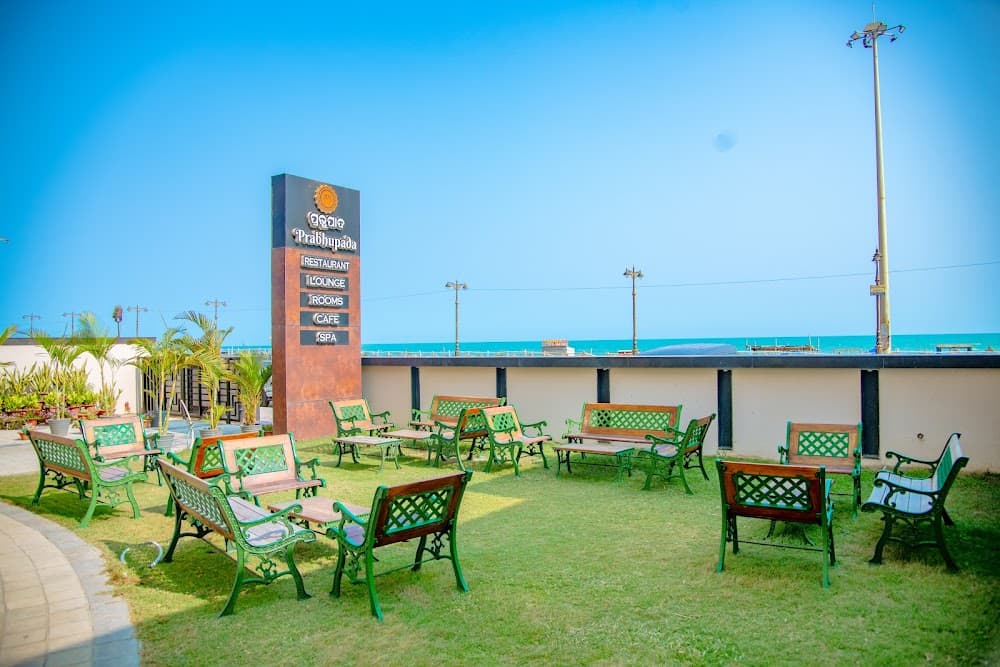
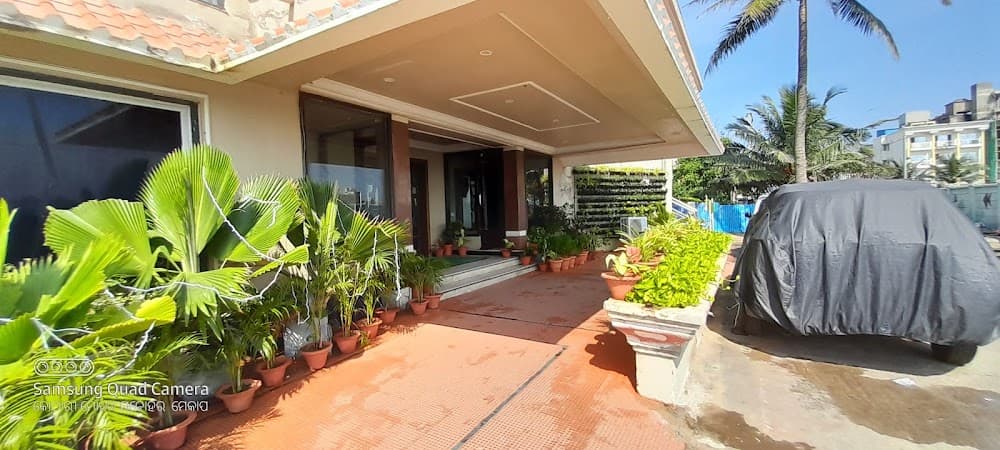
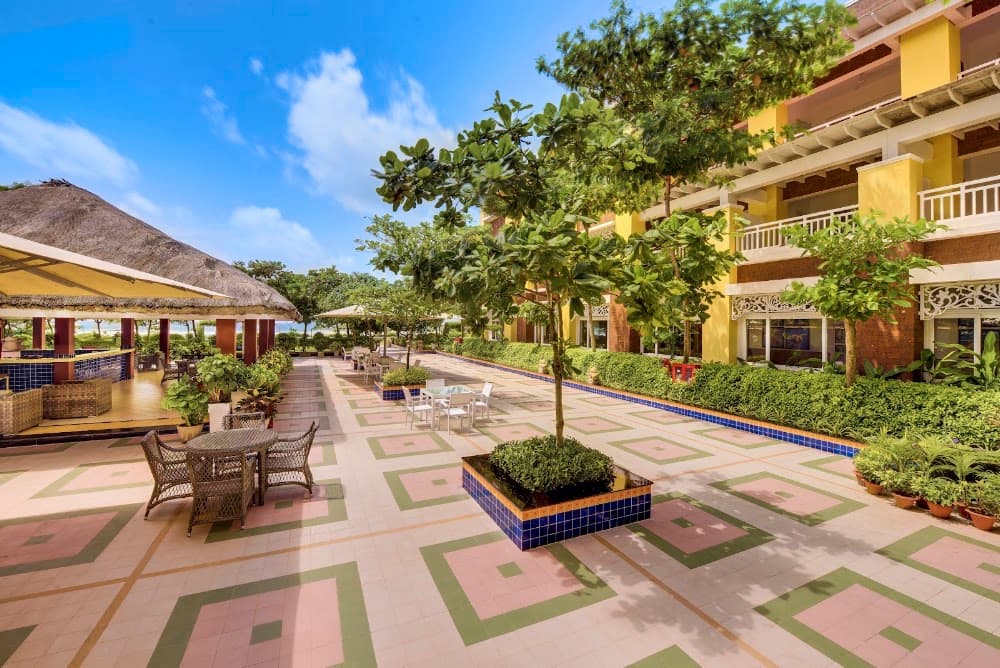
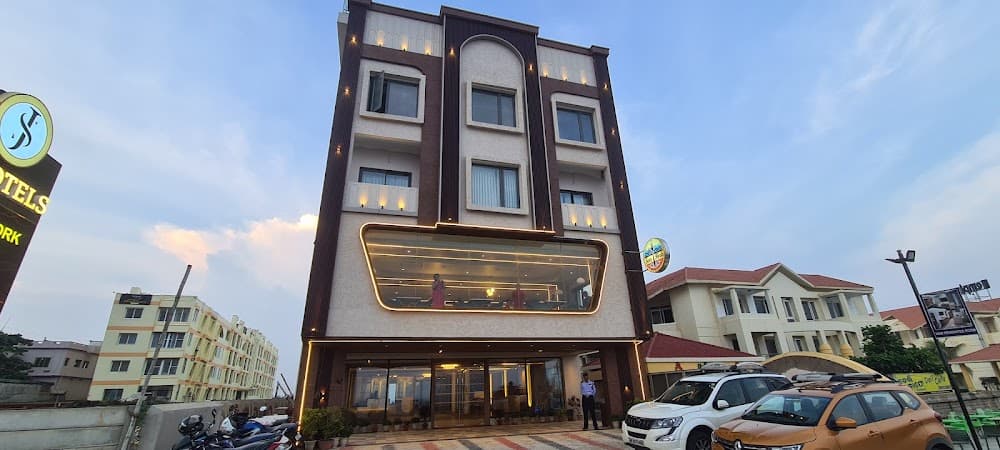
Places to Stay
See all 15 →Getting there & around
- Air — Bhubaneswar airport, about 60 km and roughly 1.5 hours by road. Puri railway station is about 3 km from the temple and has direct trains from major cities.
What travellers actually paid
Reported by real travellers, not looked up — a real range with a count, never a single guessed number.
Loading…
Famous eateries & specialties
Sourced from city research where available, otherwise AI-drafted from general knowledge — double-check specifics before relying on it.