
Story
AI-drafted from public sources — may contain mistakes, especially specific dates, names, or claims. Only "Good to know" above is field-checked.
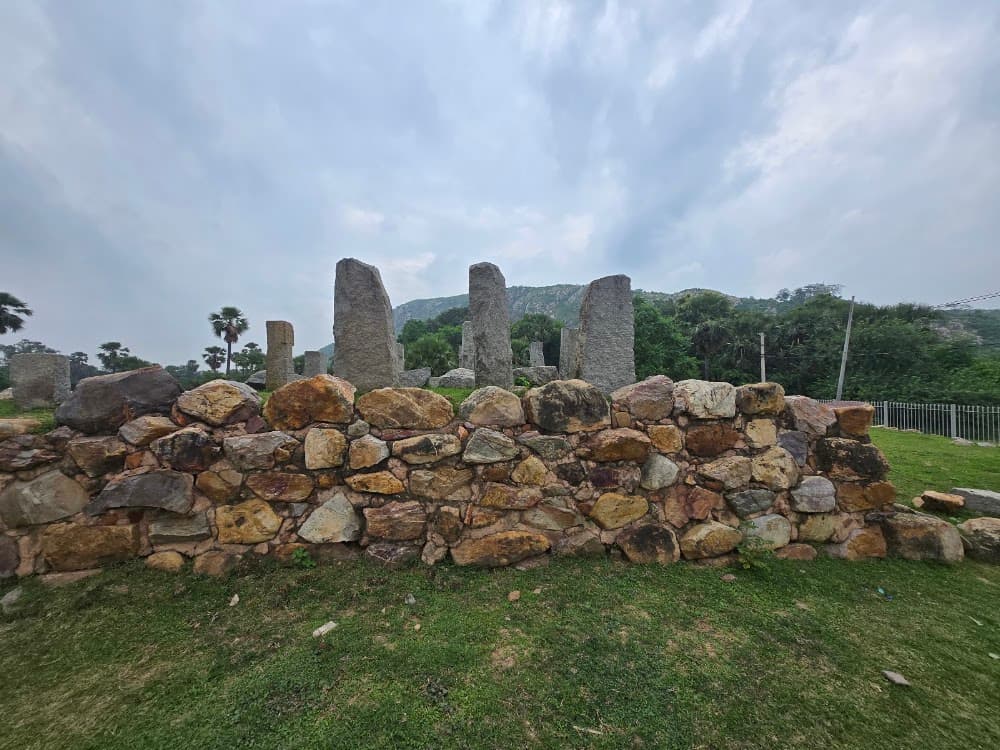
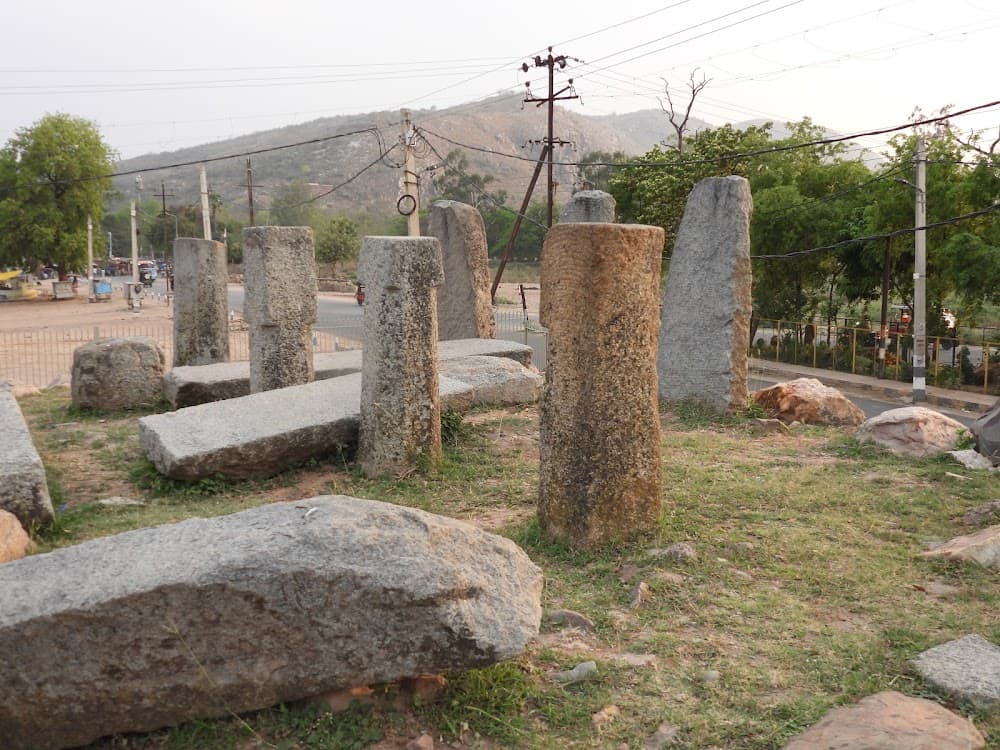
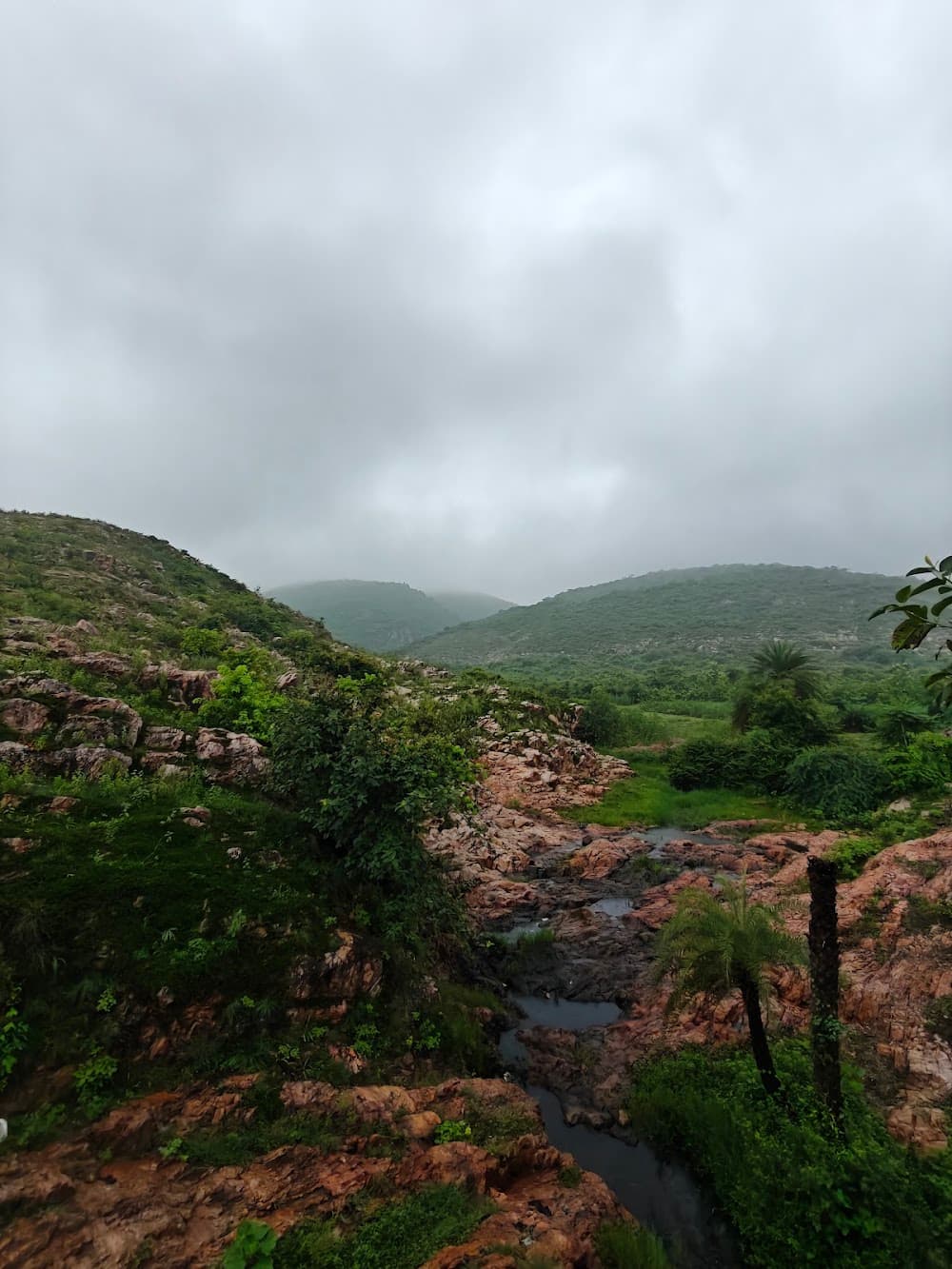
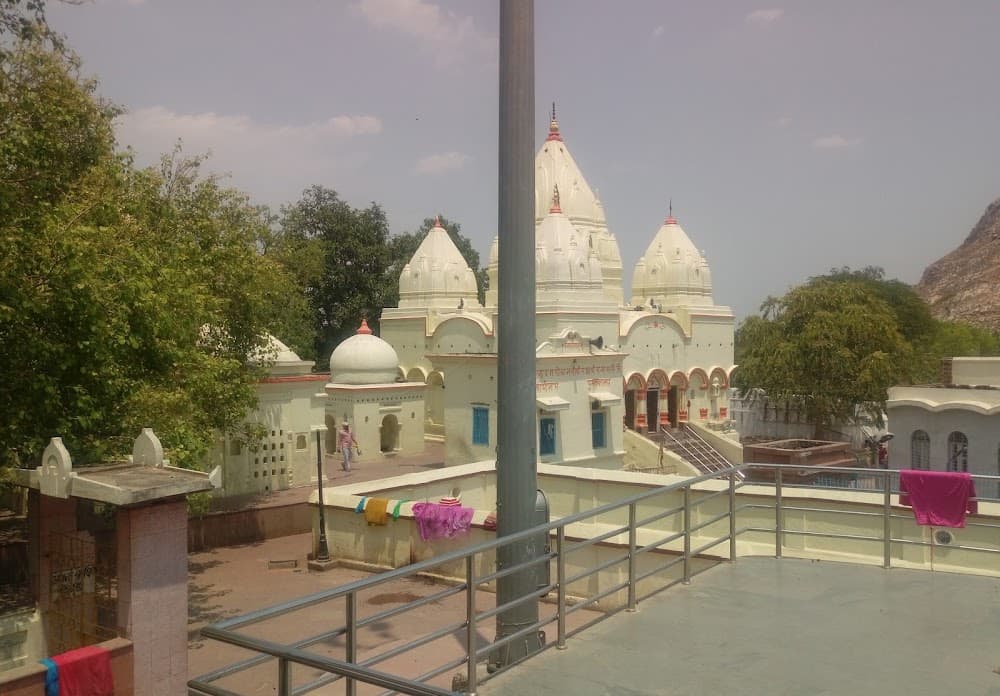
The Ajatashatru stupa, situated in Rajgir, presents a serene and imposing presence. Built in a style typical of ancient Indian architecture, the stupa's structure is characterized by a sturdy foundation, a tapering dome, and a distinctive finial. The exterior is adorned with intricate carvings and ornate patterns, showcasing the skillful craftsmanship of the region's artisans. The stupa's scale is modest, yet its imposing presence is enhanced by the surrounding landscape, which features lush greenery and rolling hills. The overall design is a testament to the region's rich cultural heritage and architectural traditions, blending seamlessly into the natural surroundings.
In the heart of Rajgir, the Ajatashatru stupa stands as a testament to the region's rich spiritual heritage. Tradition holds that this sacred site is closely tied to the life and teachings of Lord Buddha, who is said to have meditated beneath its ancient trees. Local belief says that the stupa's serene atmosphere and majestic architecture are imbued with the wisdom and compassion of the Enlightened One. As a place of great devotional significance, the Ajatashatru stupa is a magnet for pilgrims and spiritual seekers, who come to pay homage to the Buddha's legacy and seek inspiration for their own spiritual journeys.
Standing amidst the lush greenery of Rajgir, the Ajatashatru stupa is a testament to the region's rich cultural heritage. This ancient structure, believed to be built during the 5th century BCE, is said to be the site where the great Buddhist emperor Ajatashatru, ruler of Magadha, enshrined the relics of Lord Buddha. As you approach the stupa, you'll be struck by its serene beauty, surrounded by tranquil gardens and a sense of spiritual calm. The stupa's significance lies not only in its historical importance but also in its architectural elegance, with intricate carvings and ornate details that reflect the artistic prowess of the era. As you explore the area, you can't help but feel the weight of history and the sense of connection to the Buddha's teachings.
As you approach the Ajatashatru stupa in Rajgir, the serene atmosphere and intricate carvings will transport you to a bygone era. To make the most of your visit, consider arriving early in the morning or late in the afternoon when the sun's gentle rays cast a warm glow on the ancient structures. Wear comfortable shoes and clothing suitable for the local climate, and don't forget to bring a hat and sunscreen for added protection. The stupa is situated within the Griddhakuta hill complex, and visitors typically reach it via a scenic hike or a short ride on a local vehicle. Confirm the current timings and fees for the stupa with local authorities or the site directly, as these may be subject to change.