
Story
AI-drafted from public sources — may contain mistakes, especially specific dates, names, or claims. Only "Good to know" above is field-checked.
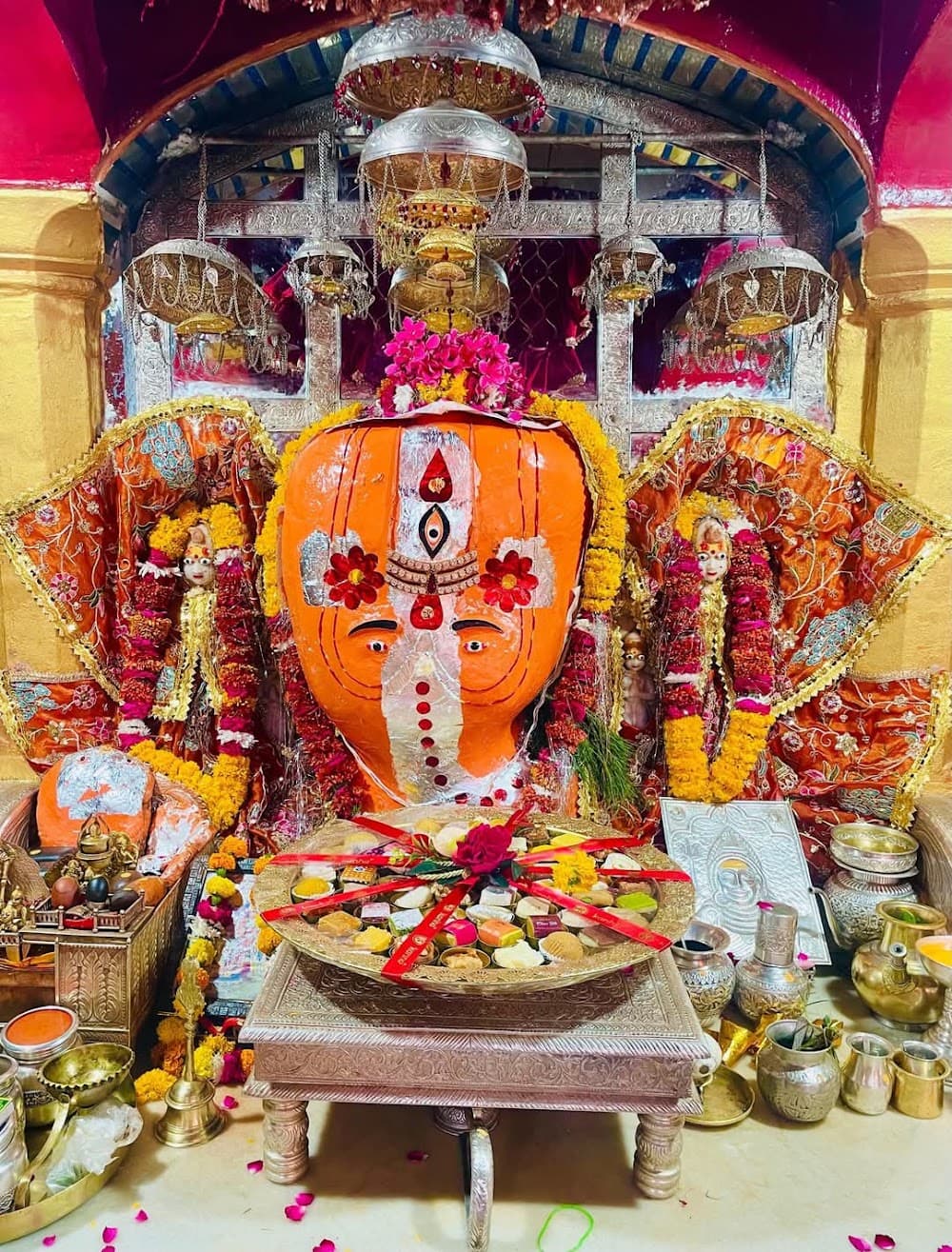
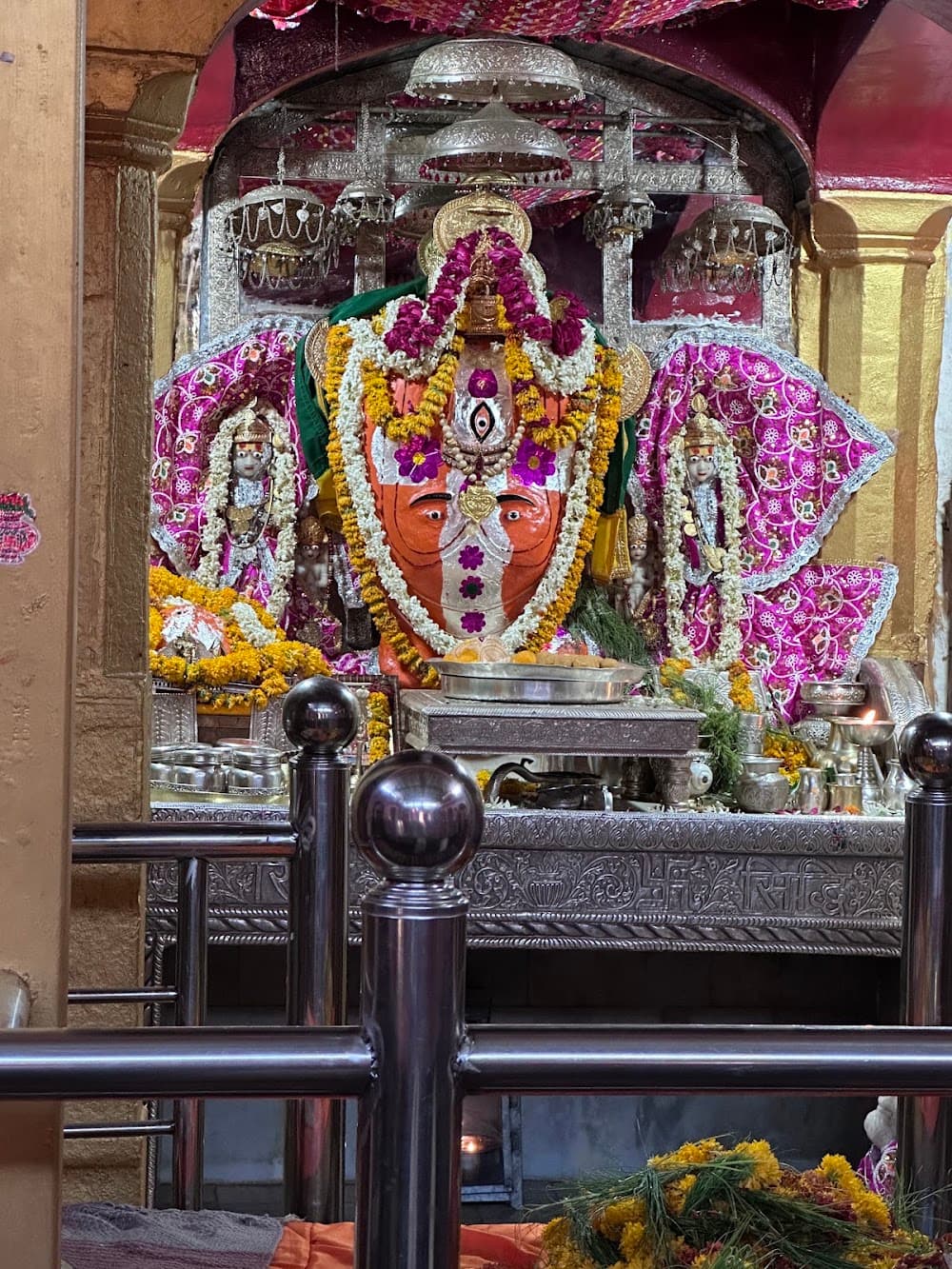
Local tradition holds that the Ganesh Temple within Ranthambore Fort is a sacred site, revered for its unique Trinetra Ganesha idol. According to legend, this deity is said to reside with his complete family, including Riddhi, Siddhi, and their sons Shub and Labh. The temple's significance is deeply rooted in the region's cultural heritage, where devotees and tourists alike seek to experience the divine aura that permeates this ancient fort. The temple's history is shrouded in mystery, with some believing that Lord Ganesha appeared in the dream of King Hammirdev Chauhan, promising him victory during a siege. Others claim that the king's devotion to the deity led to the miraculous appearance of the Trinetra Ganesha idol on the fort's wall. Whatever the truth may be, the temple's significance is undeniable, drawing pilgrims and travelers from far and wide to pay homage to the revered deity.
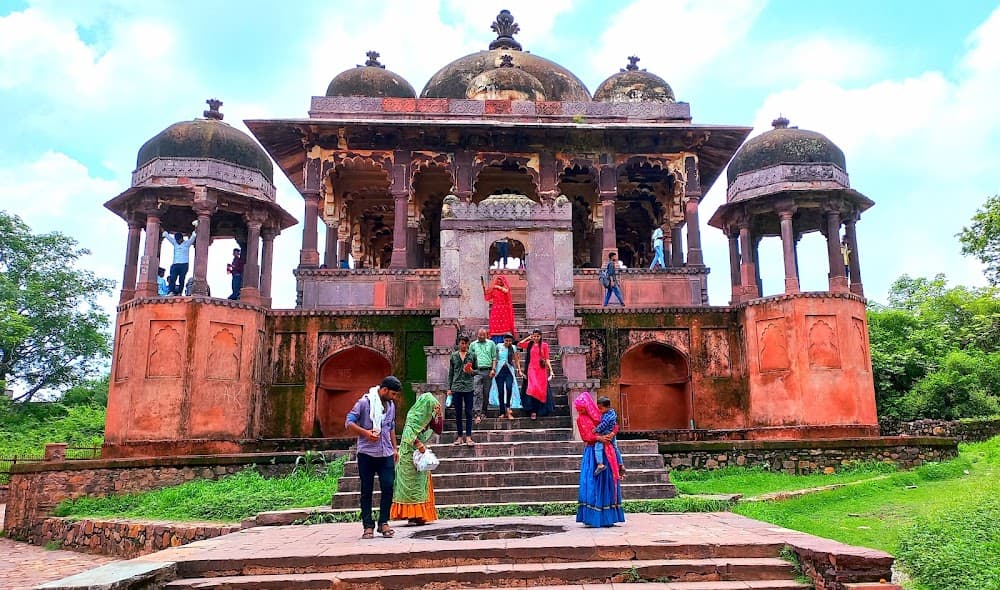
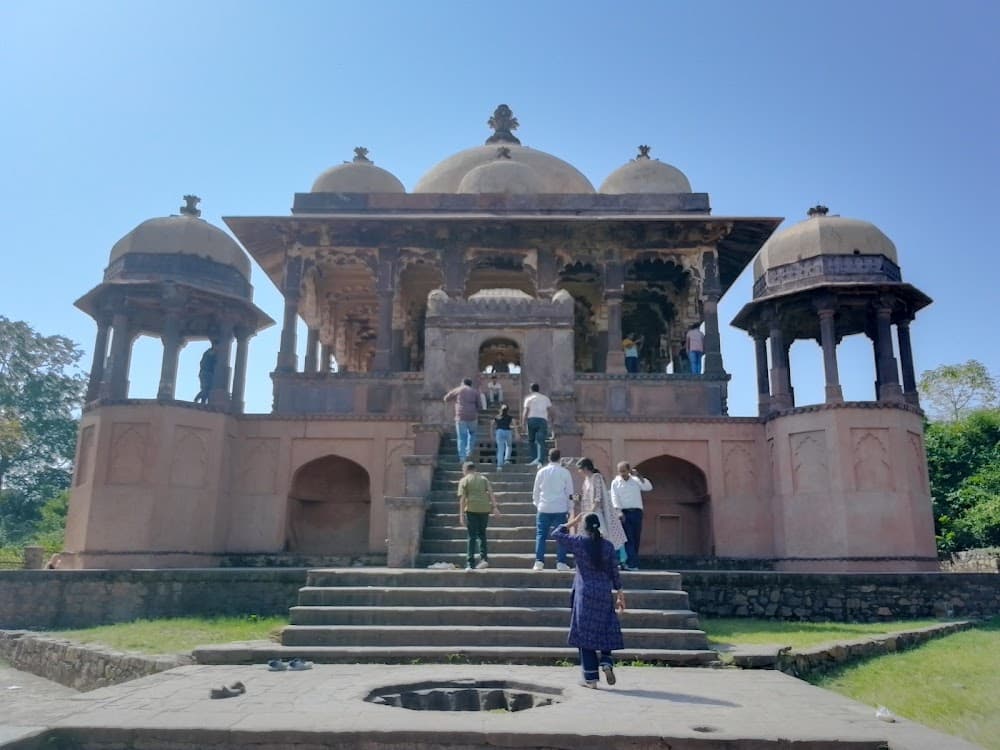
Standing within the ancient walls of Ranthambore Fort, the Ganesh Temple rises as a testament to the region's rich spiritual heritage. This revered temple, also known as the Trinetra Ganesha Temple, is a unique sanctuary dedicated to Lord Ganesha and his entire family, including his wives Riddhi and Siddhi, and their sons Shub and Labh. As you wander through the temple's tranquil surroundings, the aura of devotion is palpable, blending seamlessly with the fort's ancient ruins and the surrounding forest's lush greenery. The temple's history dates back to the 13th century, when King Hammirdev Chauhan is said to have received a divine promise of victory from Lord Ganesha himself. Today, the temple remains a sacred site, attracting devotees and tourists alike with its unique blend of spirituality and history.
As you approach the Ganesh Temple within the historic Ranthambore Fort, the tranquil atmosphere and ancient architecture will envelop you. To make the most of your visit, consider arriving during the morning or late afternoon when the sunlight casts a warm glow on the temple's intricate carvings. Wear comfortable shoes and attire suitable for walking, as you'll want to explore the fort's nooks and crannies. Bring a camera to capture the stunning views and a water bottle to stay hydrated. While it's tempting to plan your visit around the temple's opening hours, it's best to confirm the exact timings and fees locally, as they may be subject to change. As you enter the temple, take a moment to appreciate the unique family of Lord Ganesha, including his wives and sons, which makes this a truly special place of devotion.
Visitors typically approach the Ganesh Temple within Ranthambore Fort with reverence, their footsteps quiet on the ancient stone floors. The air is heavy with the scent of incense and the soft murmur of prayers. Commonly, devotees offer prayers and leave behind tokens of gratitude, such as flowers and sweets, at the feet of the revered Trinetra Ganesha. As they circumambulate the temple, they are reminded of the deity's promise of victory to King Hammirdev Chauhan, whose dream-inspired dream of the Ganesha idol on the fort wall is said to have brought an end to the war.