
Story
AI-drafted from public sources — may contain mistakes, especially specific dates, names, or claims. Only "Good to know" above is field-checked.
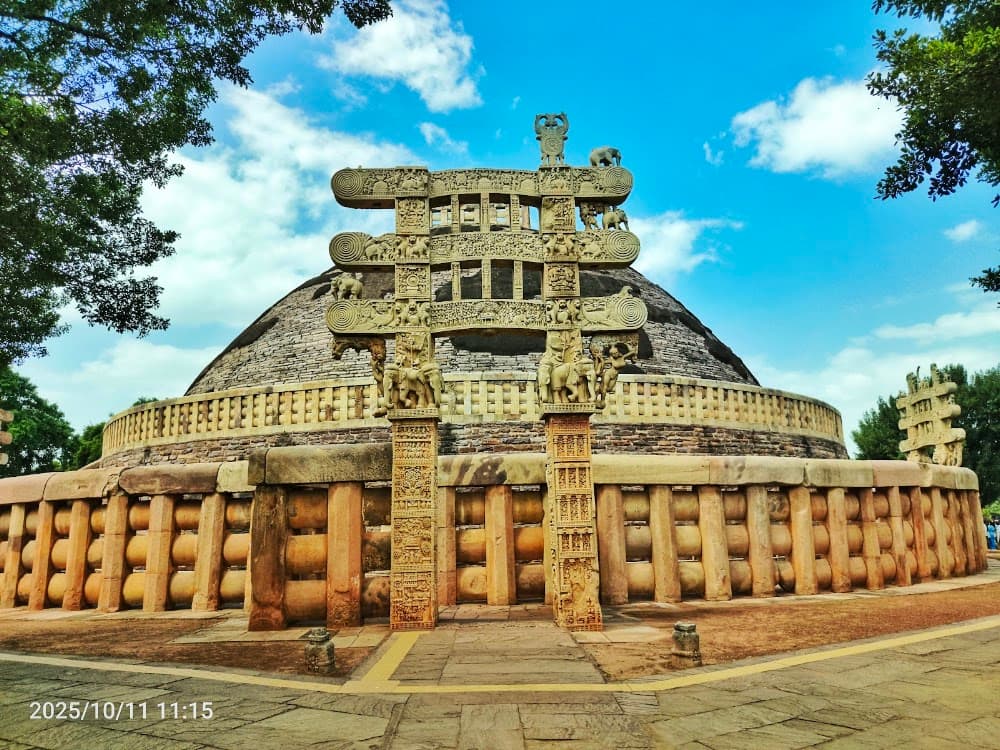
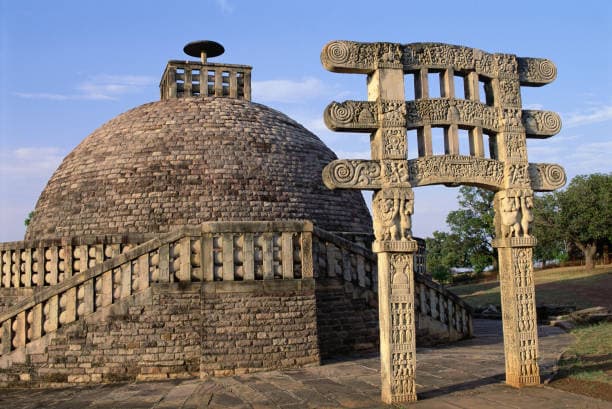
The Buddhist Monuments at Sanchi are characterized by a distinctive style of architecture, built in a manner typical of ancient Indian stone structures. The complex features a prominent stupa, a large hemispherical structure that dominates the hilltop site. The use of stone and brick in its construction gives the monument a sense of solidity and permanence. The stupa's design is crowned by a parasol-like structure, symbolizing high rank and honouring the relics it shelters. The overall layout of the complex is marked by a sense of simplicity and grandeur, reflecting the importance of the site in the historical architecture of the region. The scale of the monument is impressive, with the stupa rising prominently from the hilltop, making it a notable landmark in the area.
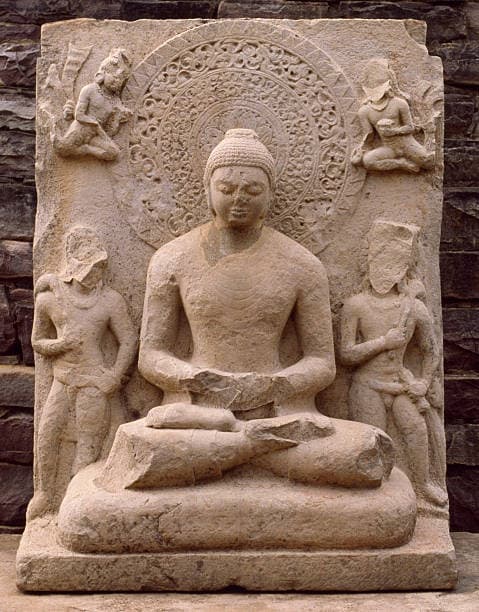
Local belief says that the Buddhist Monuments at Sanchi hold deep spiritual significance, as they are associated with the life and legacy of the Buddha. Tradition holds that this site was an important center of Buddhist learning and devotion, attracting pilgrims and scholars from across the region. While the exact legends surrounding this site are not universally agreed upon, it is said that the Great Stupa, with its simple yet powerful design, was intended to honor and shelter the relics of the Buddha, symbolizing the highest respect and reverence. The site's history is also intertwined with the story of Ashoka, the Mauryan emperor, whose connection to the region is still remembered and celebrated by locals. Overall, the Buddhist Monuments at Sanchi are considered a sacred and historic place, imbued with a sense of devotion and spiritual significance that continues to inspire visitors to this day.
On a hilltop in Sanchi Town, a significant Buddhist complex stands, drawing visitors with its historic Great Stupa. This ancient site is worth visiting for its well-preserved architecture and the insight it offers into India's rich cultural past. The complex is characterized by its prominent stupa, a hemispherical structure that has been modified and expanded over time, with a distinctive parasol-like feature at its crown. As one of the oldest stone structures in the country, it holds a unique place in India's architectural heritage, and its connection to the life of Emperor Ashoka adds to its fascination. Travellers can explore the complex to understand its historical significance and appreciate the craftsmanship that has endured for centuries. To plan a visit, it's best to check locally for current information on accessing the site.
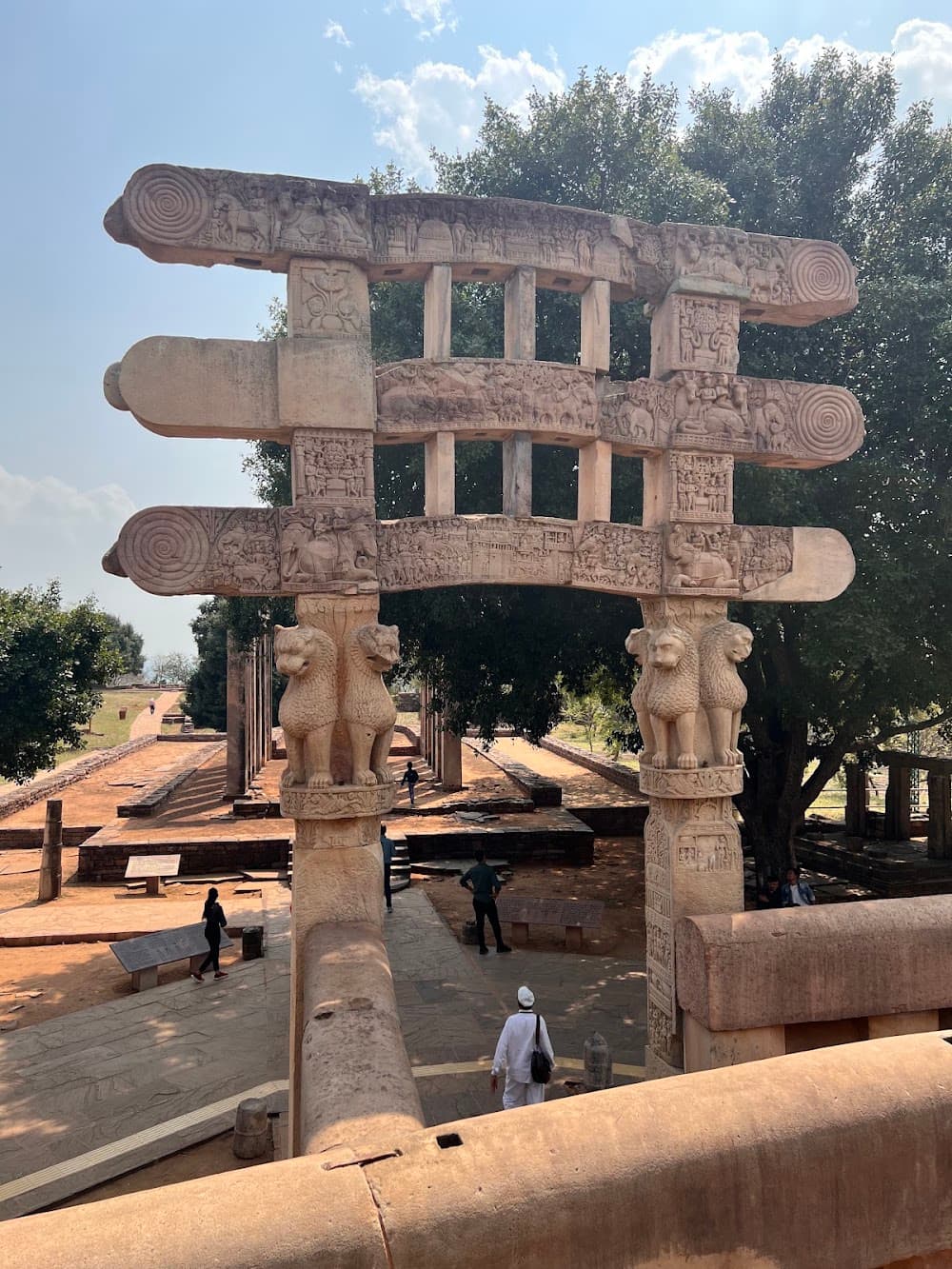
As you explore the Buddhist Monuments at Sanchi, take a moment to appreciate the serene atmosphere and rich history surrounding you. The best time to visit is early in the morning or late in the afternoon when the sun is gentle, allowing you to fully absorb the intricate carvings and architectural details of the ancient structures. Wear comfortable shoes and clothing suitable for the outdoors, and don't forget to bring a hat and sunscreen to protect yourself from the elements. To reach the monuments, you can take a taxi or bus from nearby Bhopal or Raisen, or opt for a scenic drive through the rolling hills and countryside. Confirm the current timings and fees for the monuments with local authorities or the entrance directly, as these may be subject to change. As you wander through the grounds, take your time to admire the stunning views and soak up the spiritual energy of this sacred site.