
Story
AI-drafted from public sources — may contain mistakes, especially specific dates, names, or claims. Only "Good to know" above is field-checked.
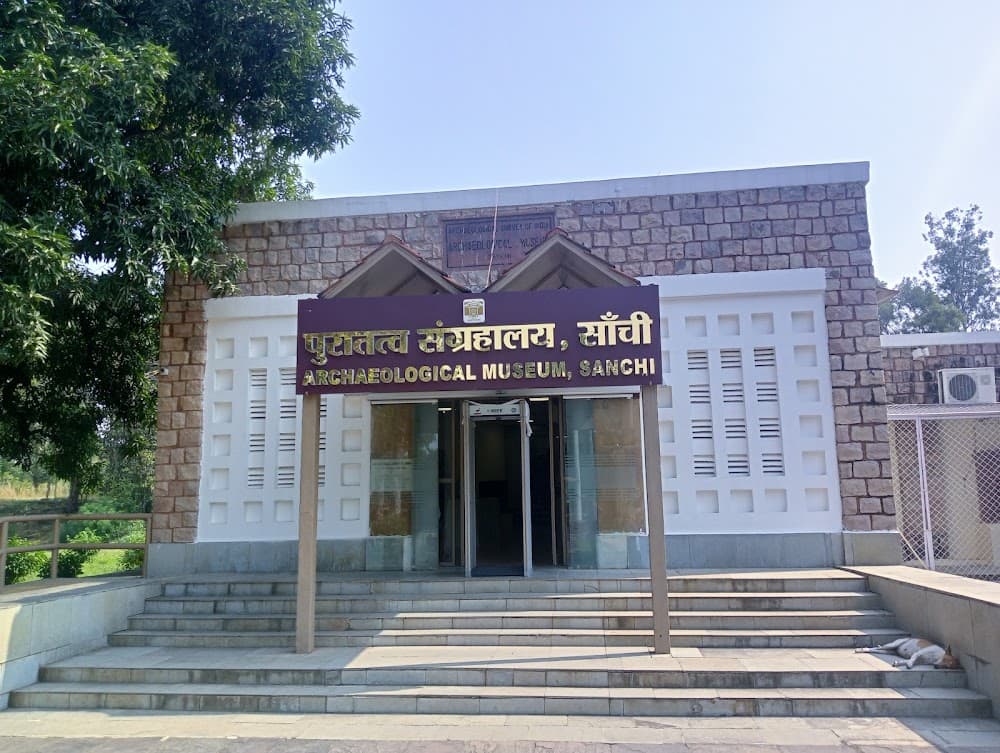
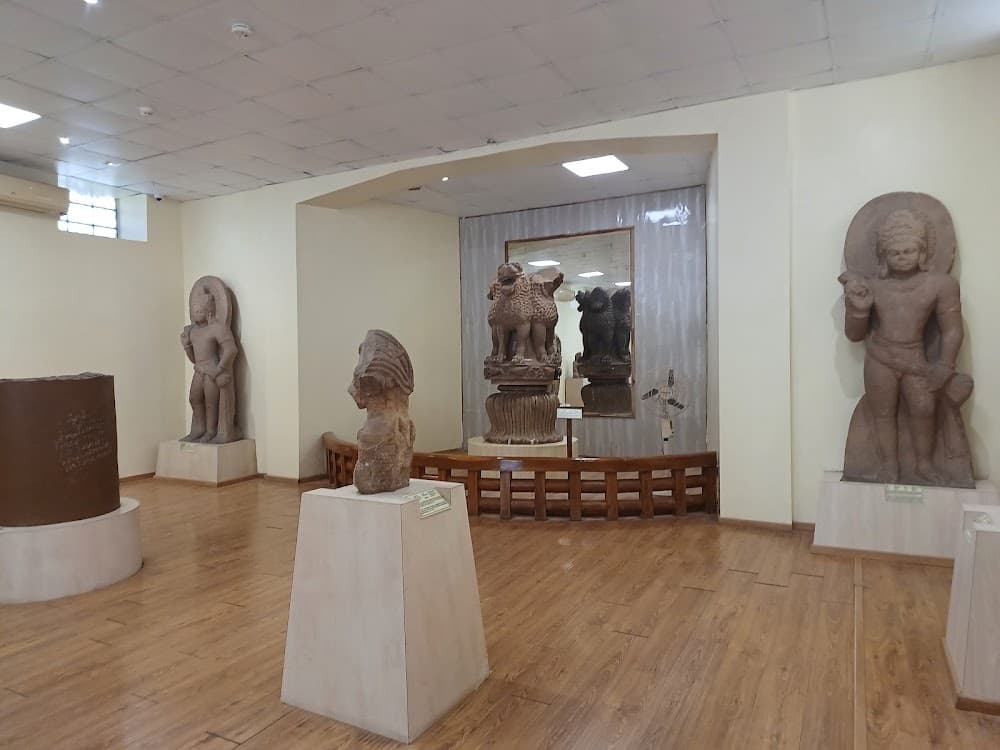
The Sanchi Museum presents a modest, single-storey structure built in a style typical of regional museum architecture, with a straightforward layout that prioritizes functionality. Its exterior walls are clad in locally sourced stone, complemented by a simple yet effective use of concrete for the roof and supporting elements. The scale of the building is restrained, blending into the surrounding landscape without drawing undue attention away from the site's historical significance. Ornamentation is minimal, reflecting the museum's focus on showcasing the artifacts and relics within, rather than competing with them for visual attention. Inside, the museum's galleries are arranged to provide a logical flow through the exhibits, ensuring that visitors can easily navigate and appreciate the collection on display.
Local belief says that the Sanchi Museum holds significant importance for those seeking to understand the region's rich cultural and spiritual heritage. Tradition holds that this museum is a treasure trove of artifacts and relics that provide a glimpse into the lives of the people who once inhabited this land. It is said that the museum's collection is a testament to the enduring power of faith and devotion, with many of the exhibits reflecting the deep-seated beliefs and values of the local community. According to tradition, a visit to the Sanchi Museum is a way to connect with the past and gain a deeper understanding of the spiritual practices that have shaped the region over centuries.
The Sanchi Museum is a repository of artifacts and relics found in and around the historic site of Sanchi, showcasing the region's rich cultural and archaeological heritage. For travellers interested in history and architecture, this museum offers a unique glimpse into the past, with a collection that highlights the significance of Sanchi as a major Buddhist centre. By visiting the museum, one can gain a deeper understanding of the site's importance and the stories behind the intricate carvings and structures that dot the landscape. With its focus on preserving and interpreting the area's cultural treasures, the Sanchi Museum is a valuable resource for those seeking to explore the history and traditions of this fascinating region. Visitors should check locally for current information on the museum's offerings and hours.
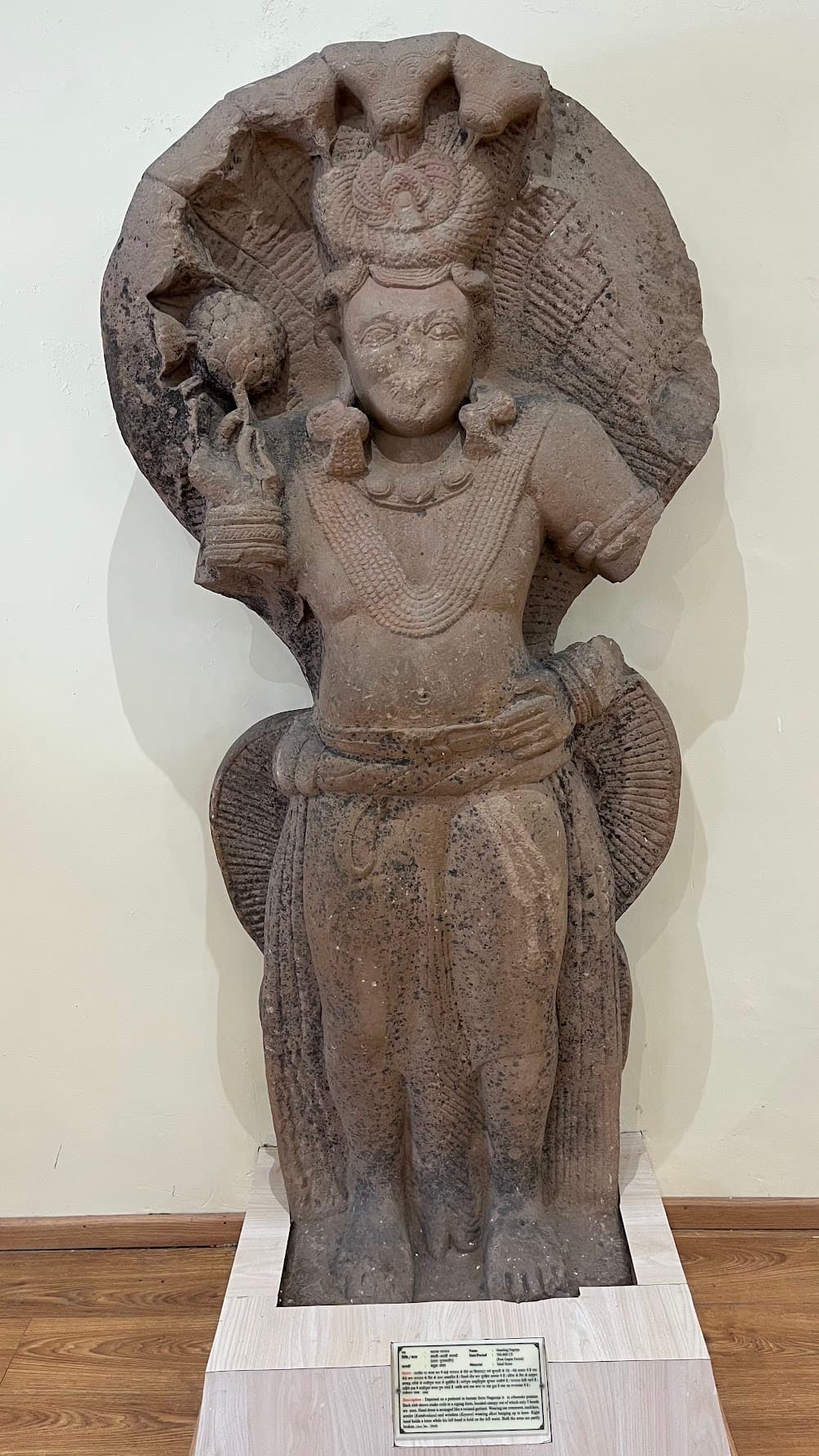
The Sanchi Museum is a treasure trove of ancient Indian history and art. Visitors can expect to be mesmerized by the stunning sculptures and inscriptions on display. To make the most of your visit, consider arriving early in the day when the museum is less crowded. Wear comfortable shoes and clothing suitable for the Indian climate. As the museum is located in a rural area, it's best to plan your transportation in advance. You can hire a taxi or take a bus from nearby Bhopal or Panchmarhi. Confirm the current timings and fees for your visit with the museum staff or local authorities, as these may be subject to change.