
Story
AI-drafted from public sources — may contain mistakes, especially specific dates, names, or claims. Only "Good to know" above is field-checked.
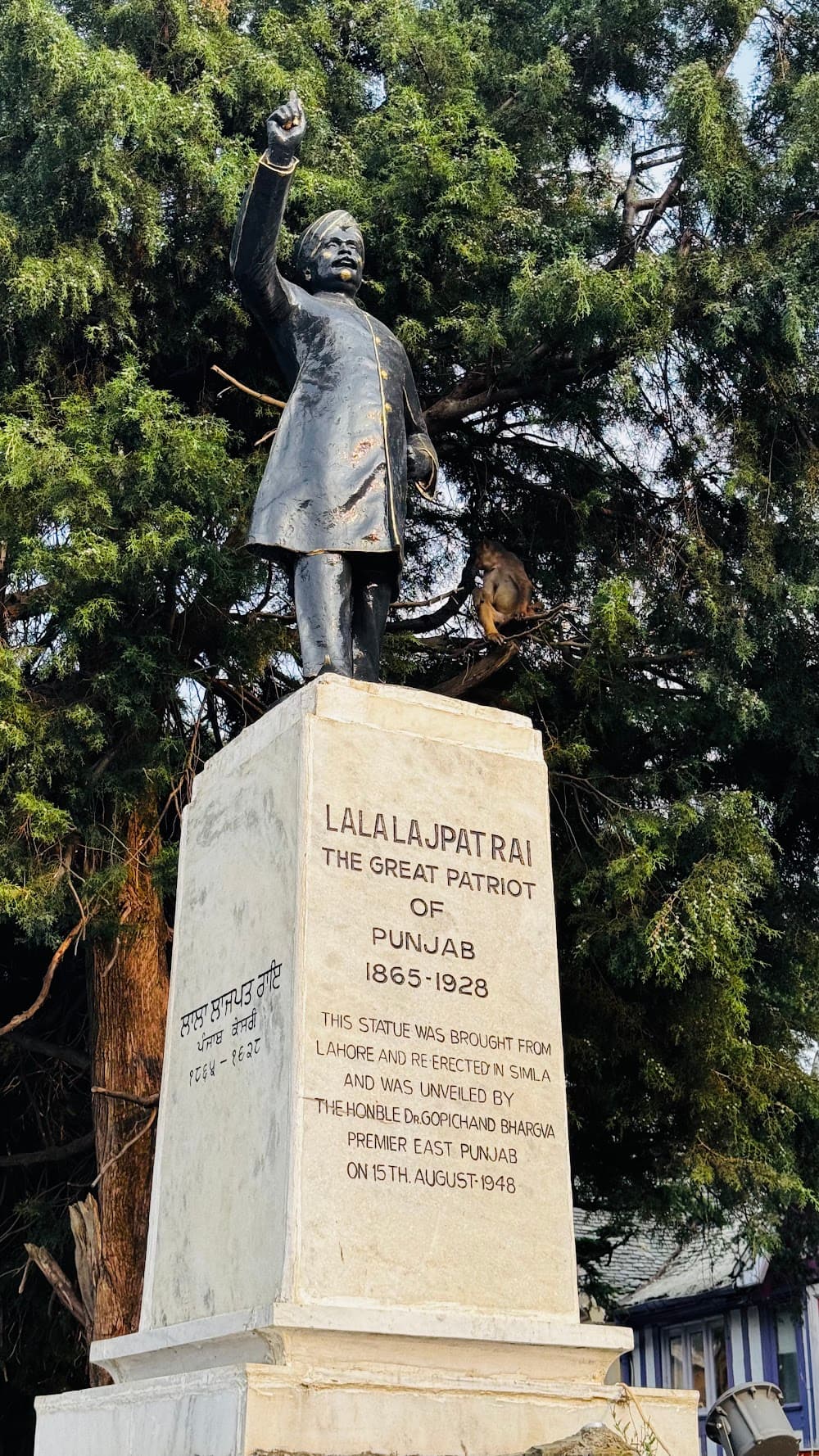
Lalalajpatrai 1865-1928 stands as a testament to the region's architectural heritage, its imposing structure rising from the Shimla landscape. The monument's design is characteristic of the colonial era, with a blend of Indian and European influences. The intricate carvings and ornate details, typical of this style, adorn the exterior, while the interior features a grandiose hall with high ceilings and ornate chandeliers. The monument's scale is impressive, its imposing presence a reminder of the region's rich history.
Local tradition holds that the Lalalajpatrai 1865-1928 monument in Shimla is a sacred site, revered by devotees of the Hindu deity Lord Hanuman. While specific stories and legends may vary, the monument is said to embody the values of selfless service and devotion that Lord Hanuman embodies. The monument's presence in the heart of Shimla, surrounded by other important landmarks like the Jakhu Temple and the Rashtrapati Niwas, only adds to its significance.
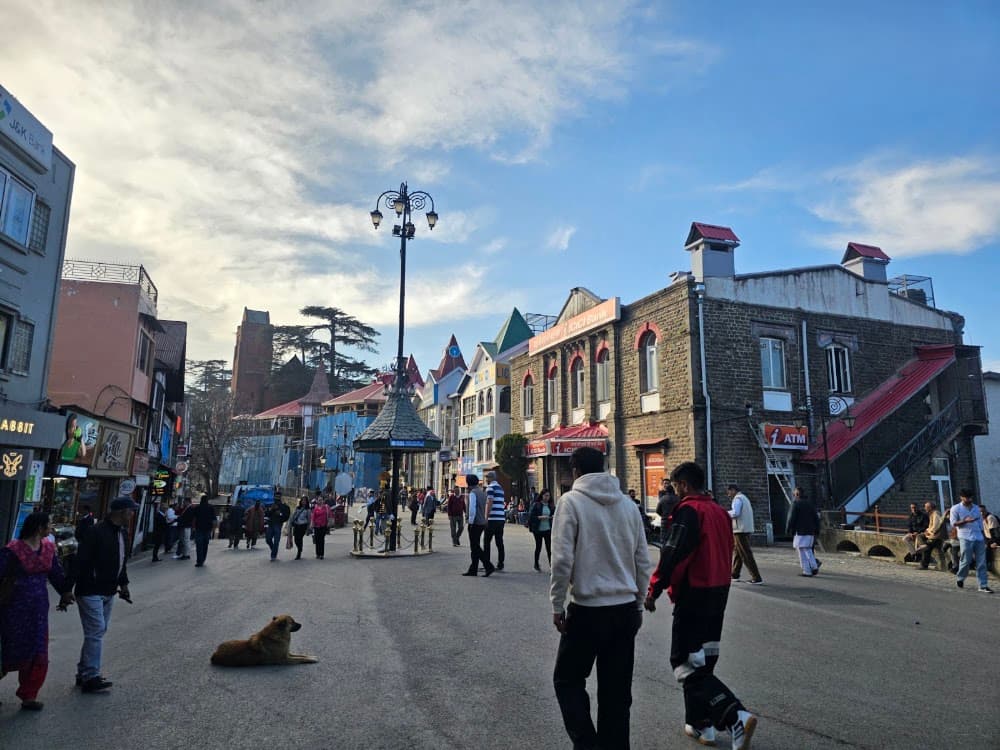
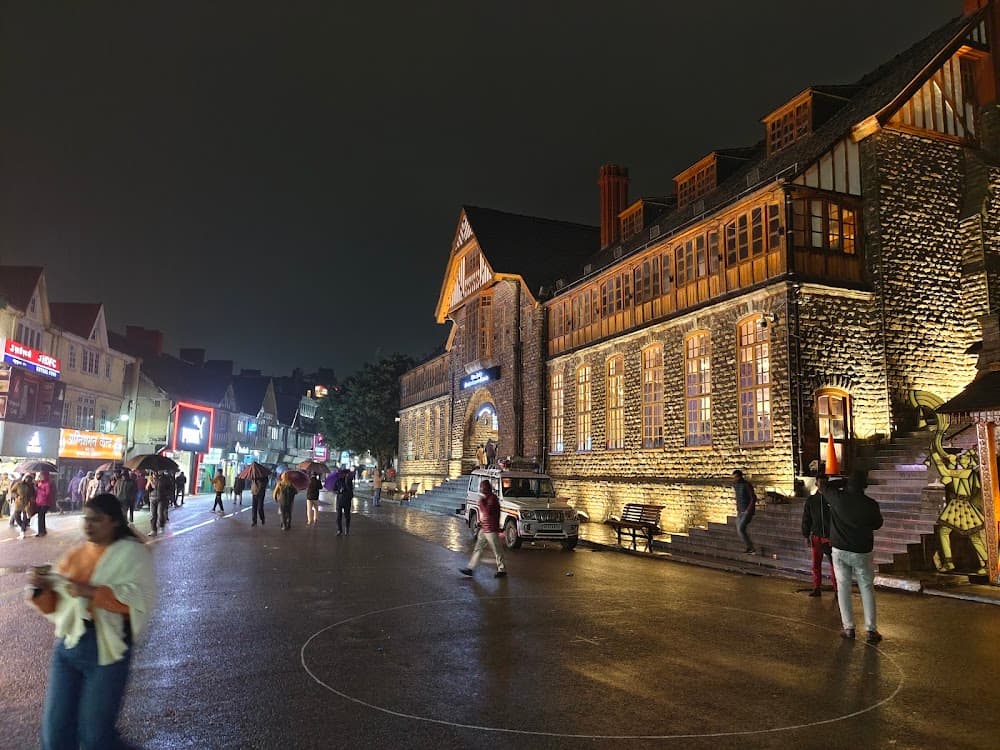
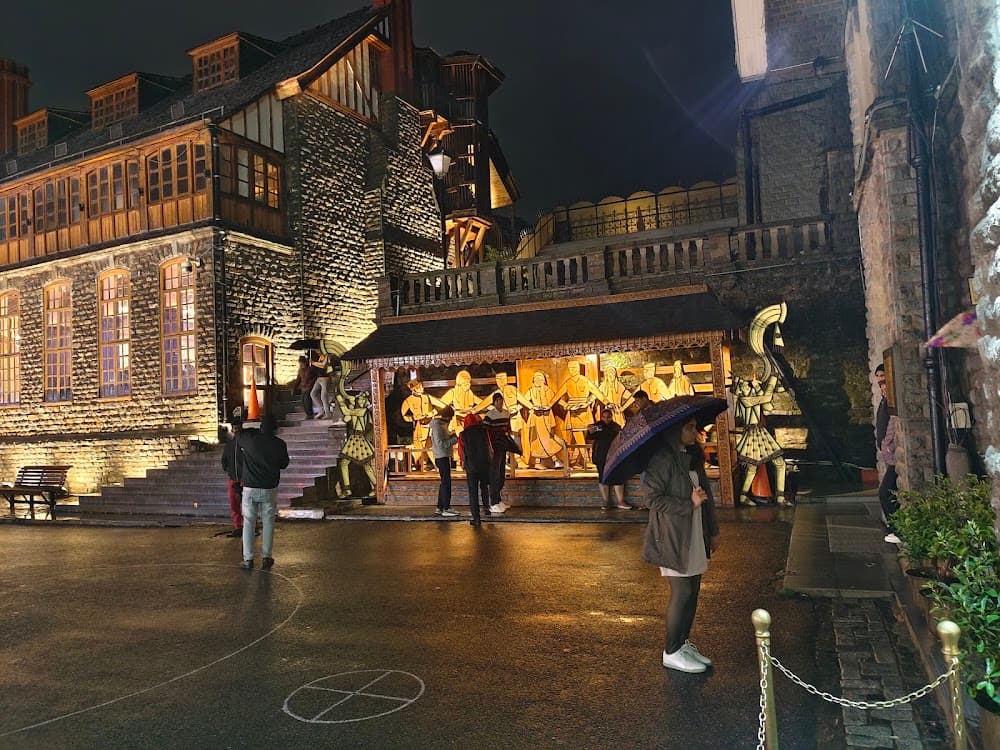
Standing at the intersection of Shimla's bustling streets, the Lalalajpatrai 1865-1928 monument rises as a poignant tribute to a bygone era. This heritage site is a must-visit for anyone seeking to understand the city's rich history and cultural heritage. The monument's imposing structure, with its intricate carvings and ornate details, is a testament to the city's colonial past. As you approach the site, you'll notice the surrounding landscape, which is dotted with trees and bustling with local life. The monument's significance is further underscored by its proximity to other notable landmarks, including the Shimla Fire Station and the Municipal Corporation. Take a moment to pause and reflect on the significance of this site, which stands as a powerful reminder of the city's complex and fascinating history.
As you approach Lalalajpatrai 1865-1928, the memorial's serene setting invites contemplation. Located in the heart of Shimla, this memorial is easily accessible by foot or by taking a short ride from the nearby railway station. Dress comfortably for your visit, as the memorial's surroundings are best appreciated without distractions. The best time to visit is early morning or late afternoon, when the gentle breeze and soft sunlight create a peaceful atmosphere. Confirm the exact timings and fees with local authorities before your visit, as they may be subject to change.