
Story
AI-drafted from public sources — may contain mistakes, especially specific dates, names, or claims. Only "Good to know" above is field-checked.
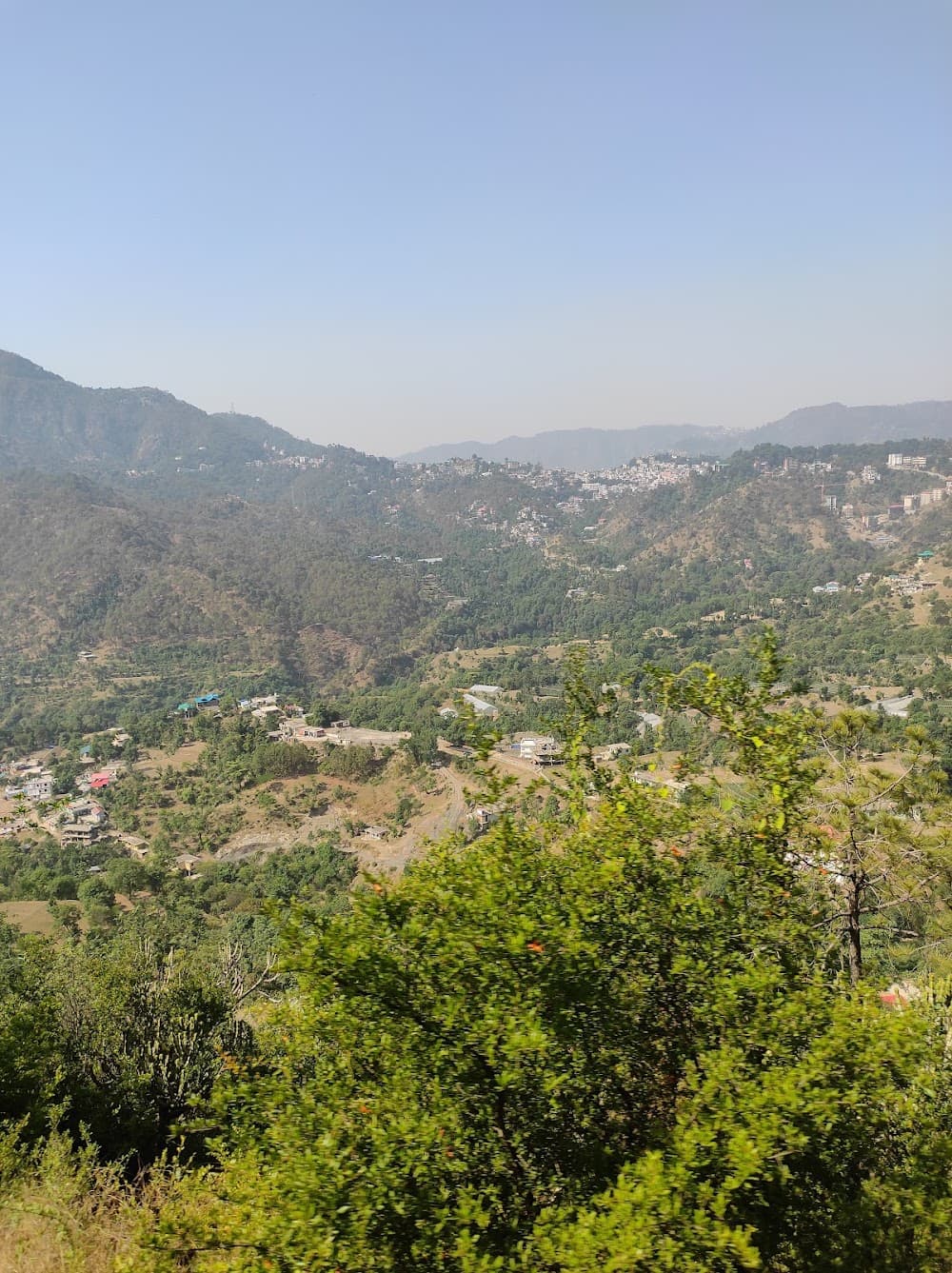
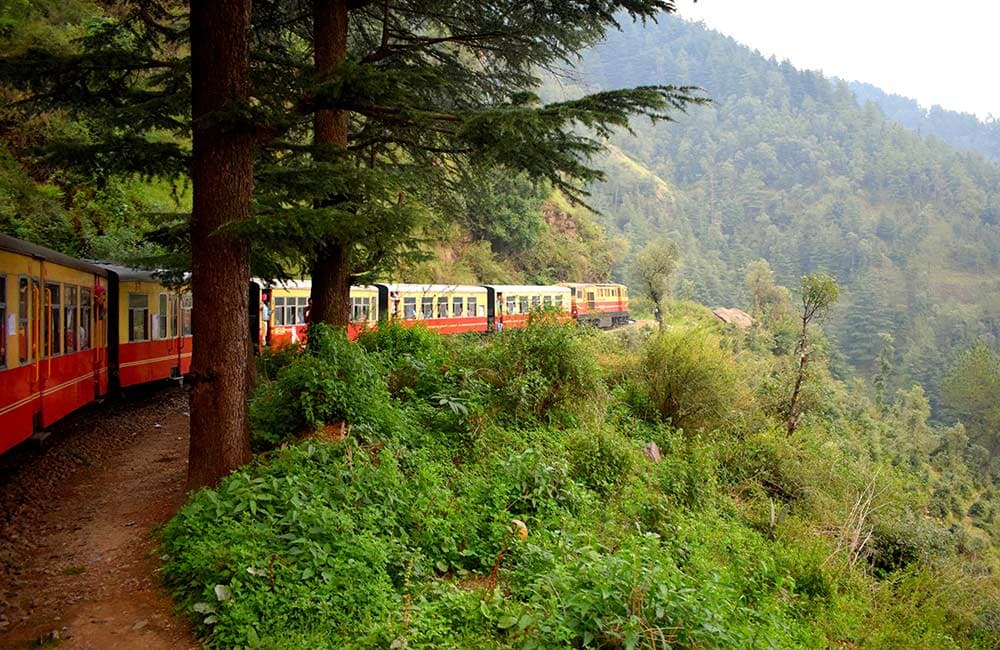
The Kalka Shimla Railway, a serpentine marvel of engineering, winds its way through the Himalayan foothills, its rust-red hue blending seamlessly into the surrounding landscape. The railway's original structure, built in a style typical of colonial-era Indian architecture, features a mix of stone and brickwork, with ornate ironwork and wooden accents adding a touch of elegance. The tracks themselves are a marvel of precision engineering, a testament to the ingenuity of the Victorian-era builders who brought this ambitious project to life. As the train chugs along, the scenery unfolds like a canvas of emerald green and golden light, with the occasional village or temple complex peeking out from the verdant cover.
The Kalka Shimla Railway, a relic of the colonial era, holds a special place in the hearts of locals. Tradition holds that the railway, with its winding tracks and vintage carriages, was blessed by the goddess Kali, who is said to have appeared in a vision to the engineers, guiding them in the construction of this marvel of engineering. Local belief says that the railway's serpentine route, which hugs the contours of the hills, was designed to mirror the goddess's own serpentine form, a symbol of her power and protection. As pilgrims make their way along the tracks, they whisper prayers to Kali, seeking her blessings and protection.
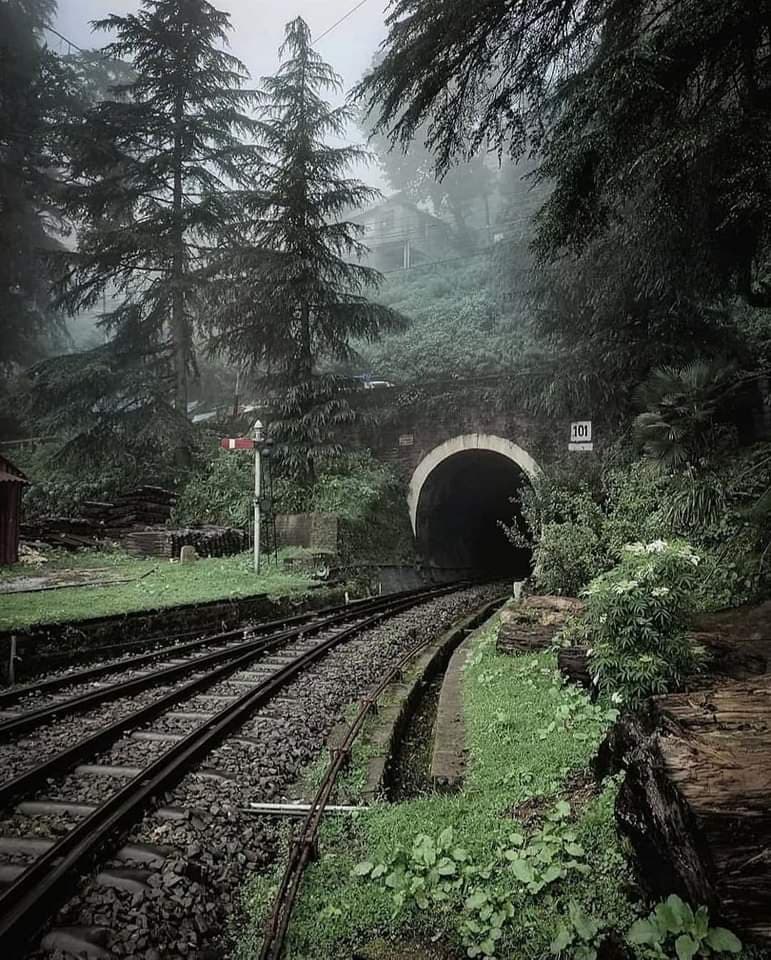
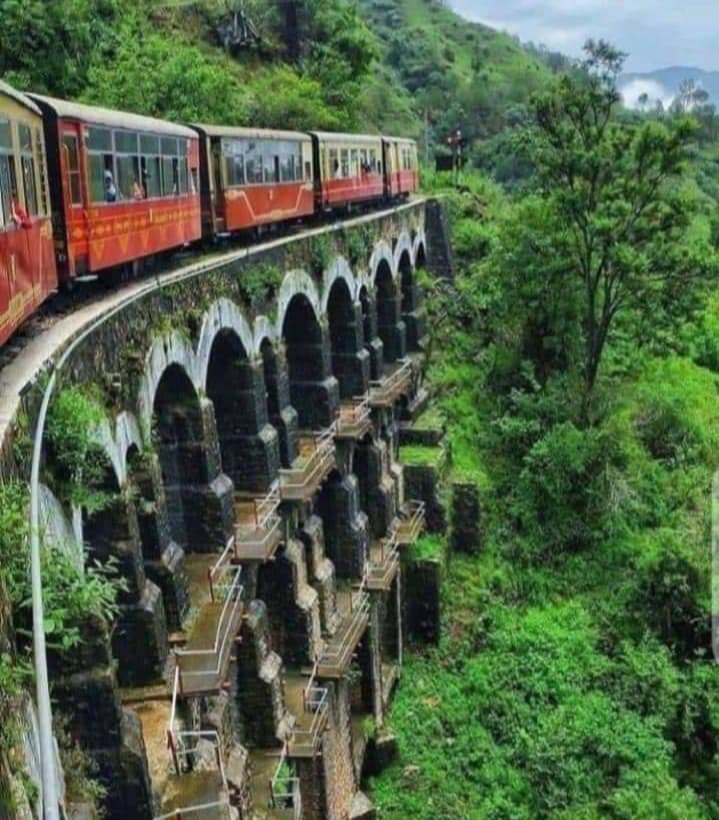
A 96.6 km single-track narrow-gauge line at 762 mm, built 1898-1903 by the Delhi-Ambala-Kalka Railway Company under HERBERT SEPTIMUS HARINGTON. 107 tunnels built and 102 still in use, 864 bridges, 919 curves, ruling gradient 1 in 33, climbing 1,420 m to about 2,076 m. 18 stations. Operated by Northern Railway. Property 79.06 ha, buffer 74.88 ha. Criteria (ii) and (iv), inscribed 8 July 2008.
As you step onto the Kalka Shimla Railway, the nostalgic charm of a bygone era envelops you. The journey, often described as a highlight of any Shimla visit, is best experienced during the morning or late afternoon when the sun casts a warm glow over the surrounding hills. Dress comfortably for the scenic ride, and don't forget to bring a camera to capture the stunning vistas. Typically, visitors arrive in Shimla by road, with the railway station situated in the heart of the city. Confirm the current timings and fees with local authorities or the railway station directly, as these may be subject to change.