
Varanasi
Ghats, silk, and ancient temples
Cool mist rises from the river's dark waters at dawn
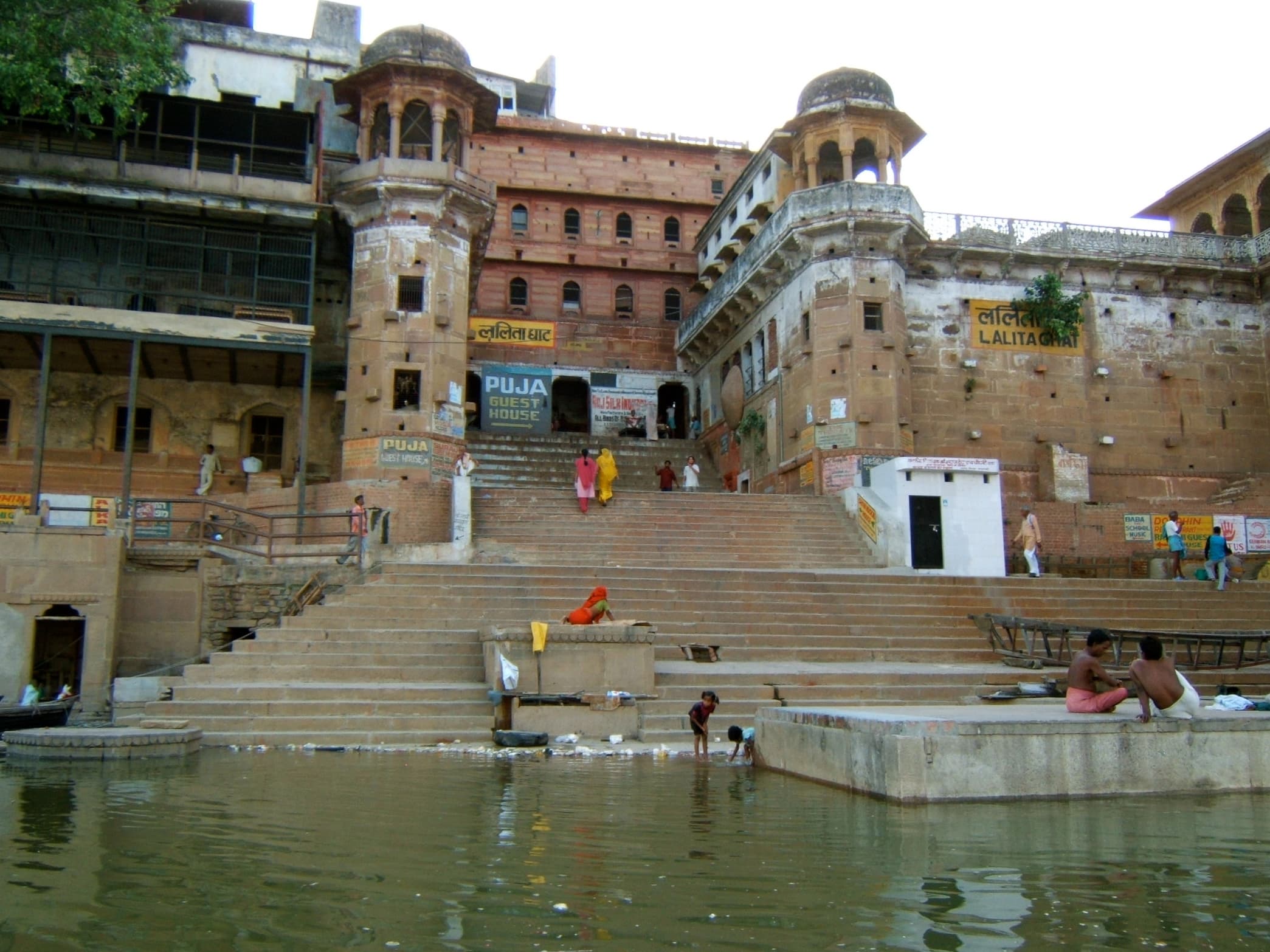
Varanasi, in Uttar Pradesh, on the Ganga.
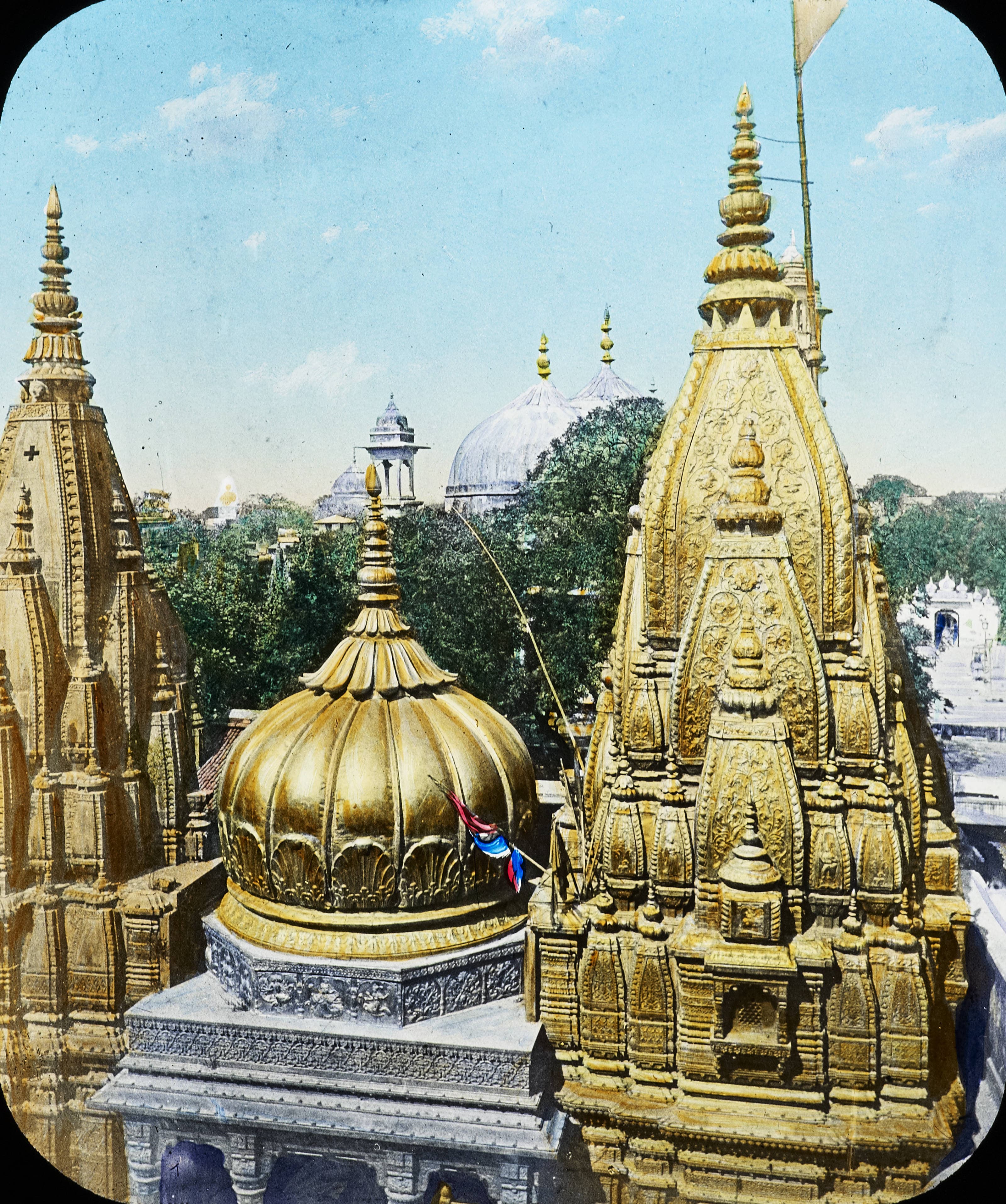
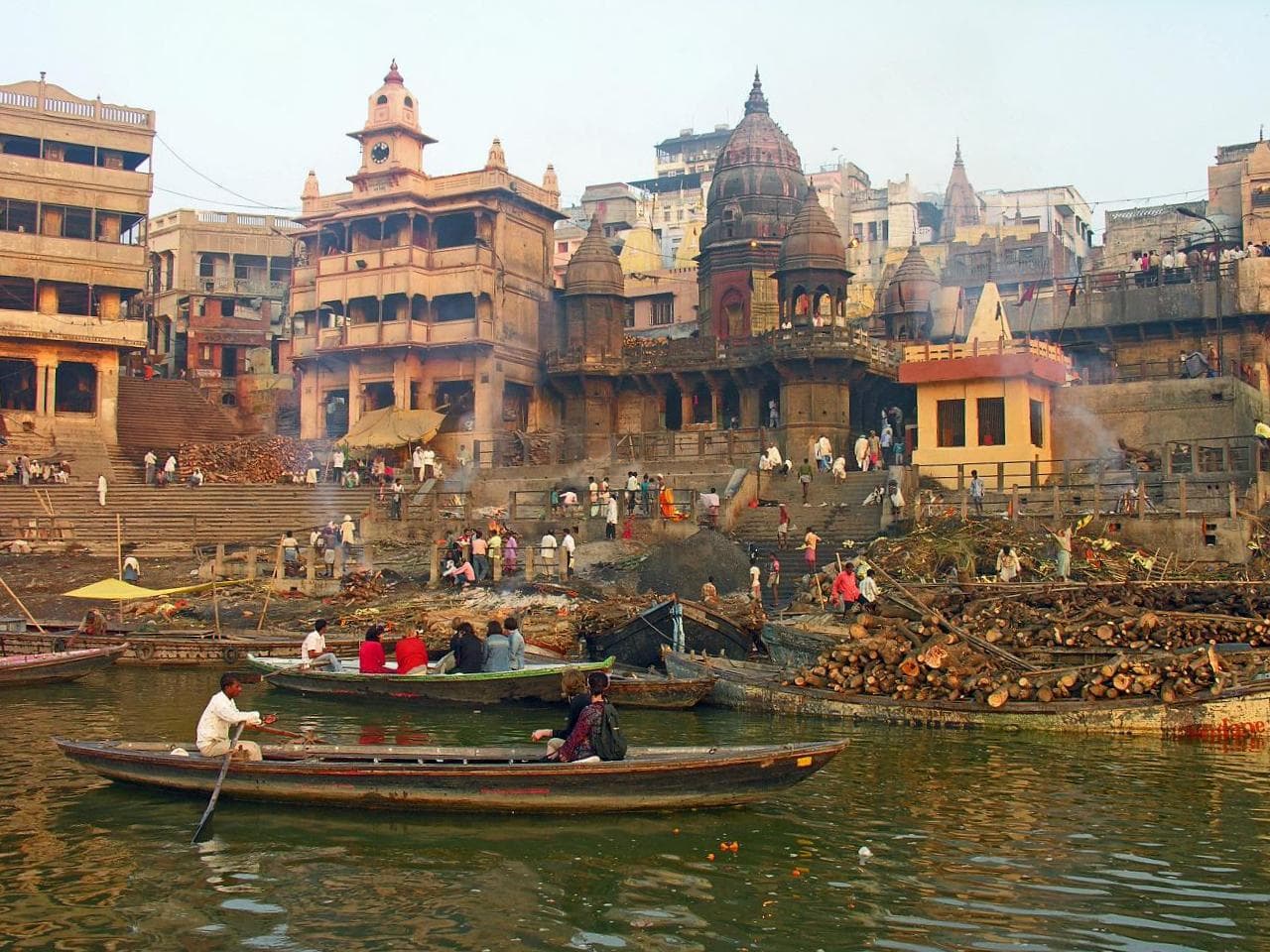
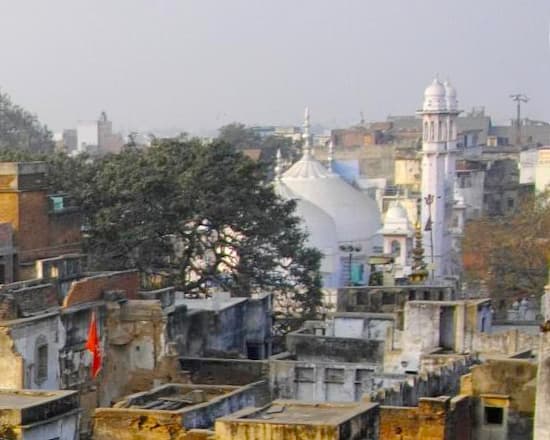
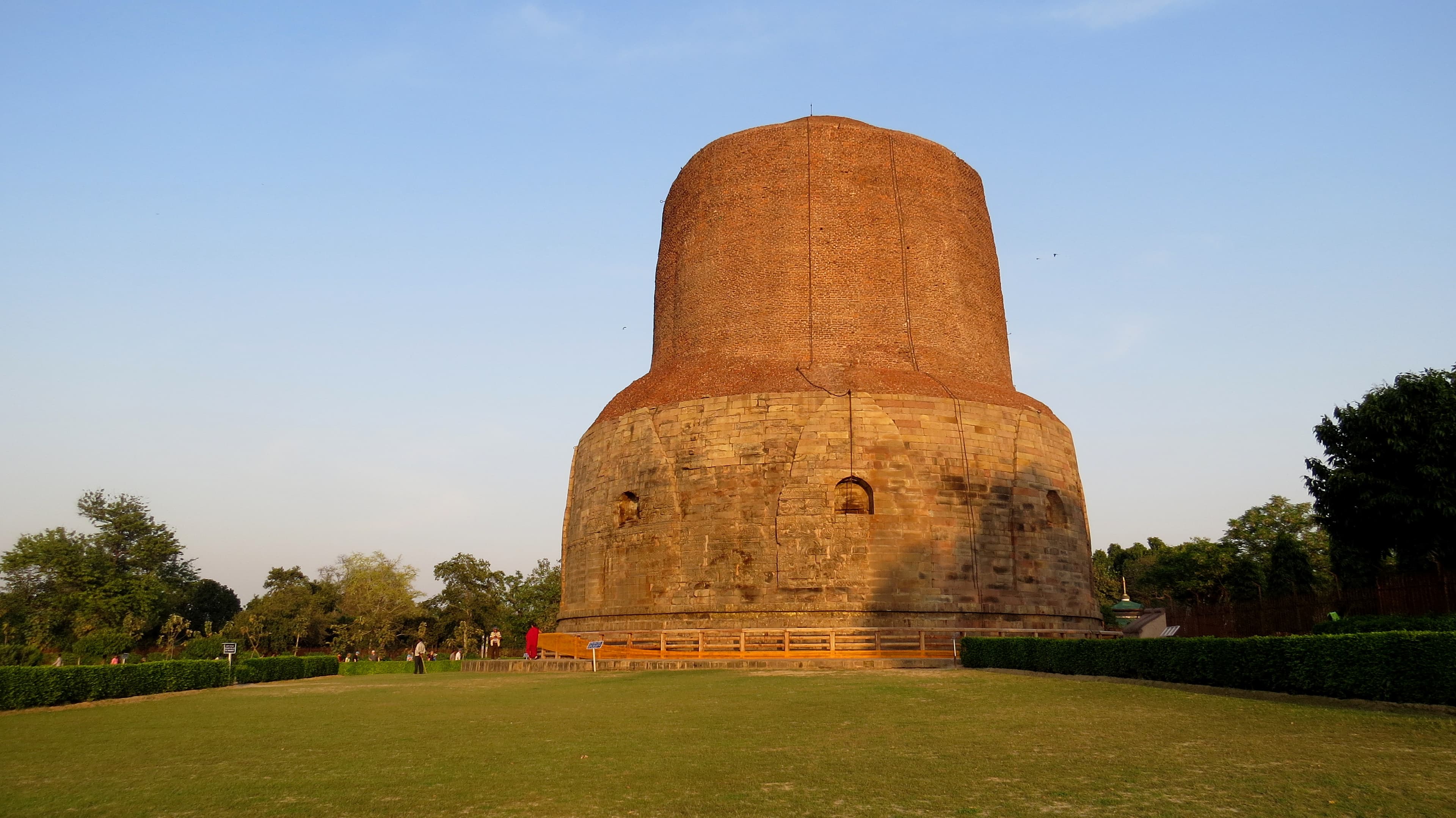
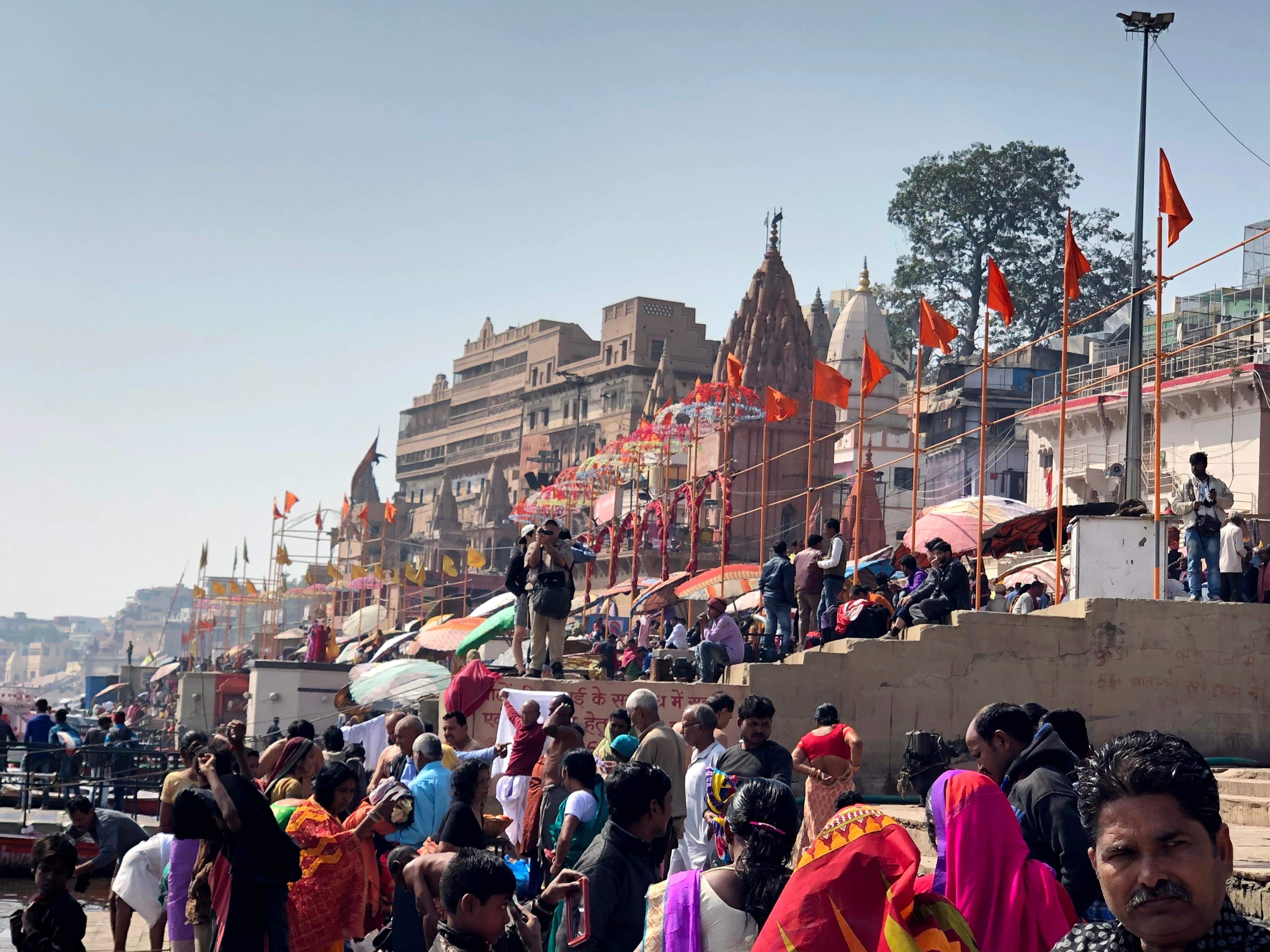
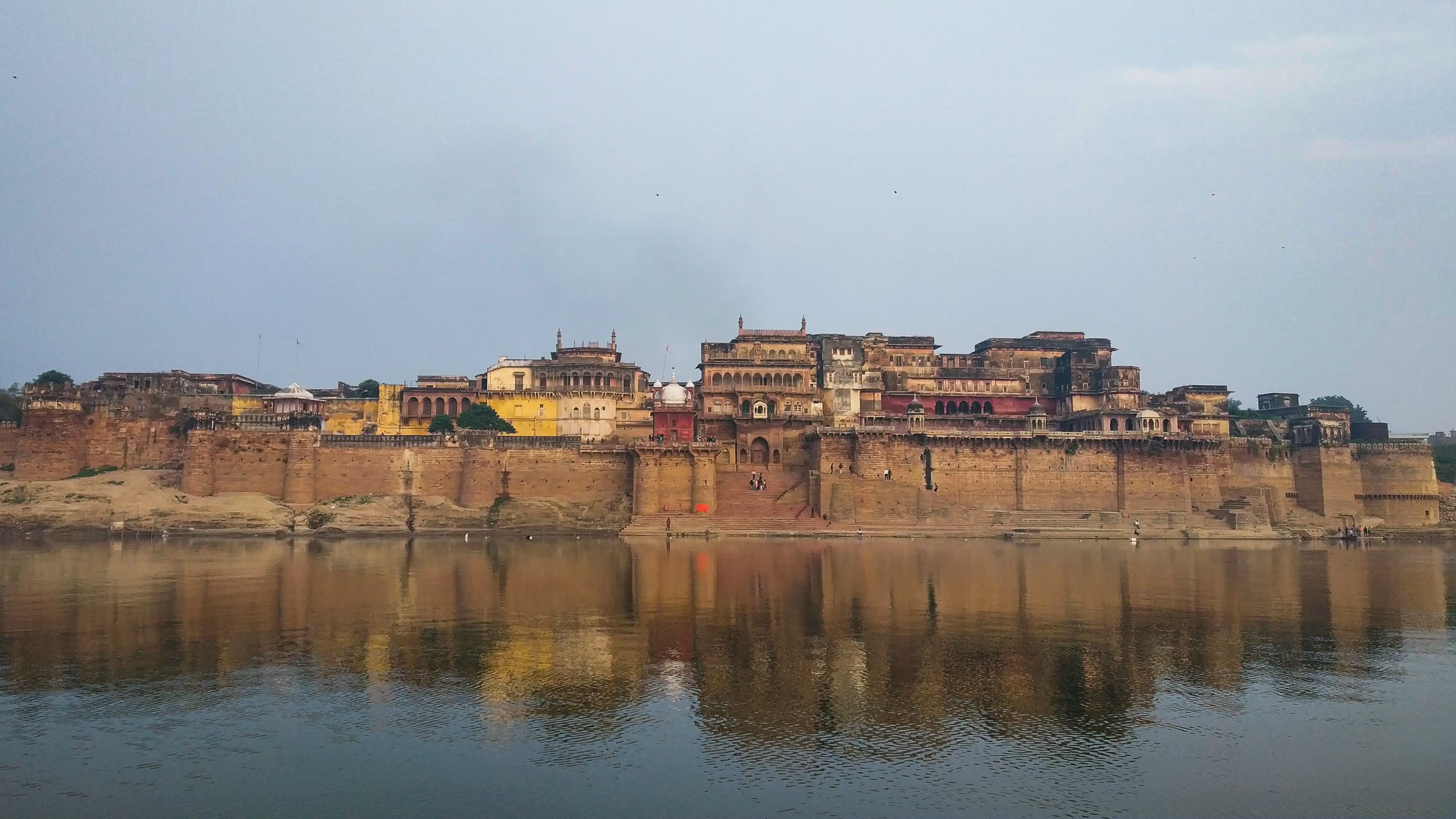
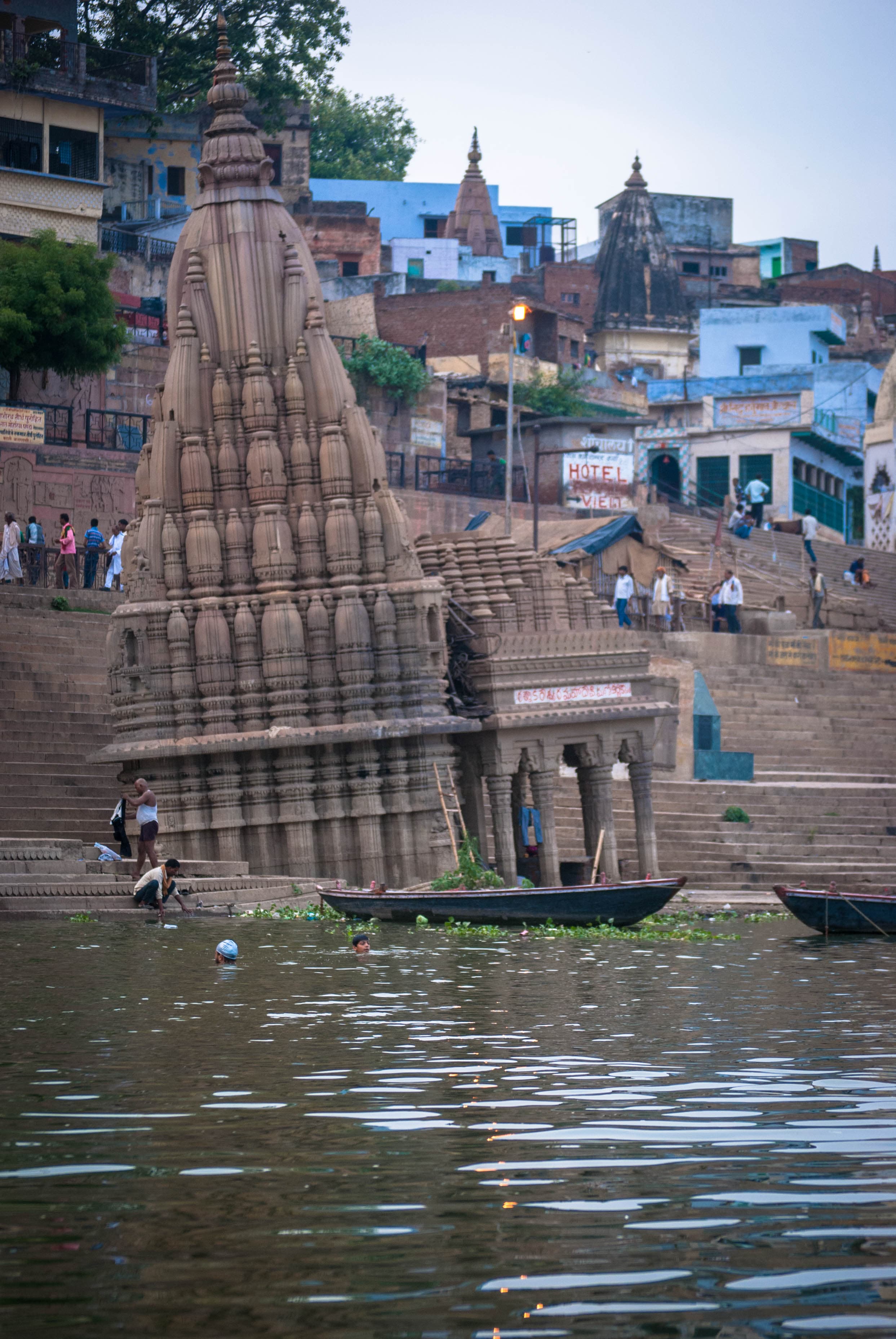
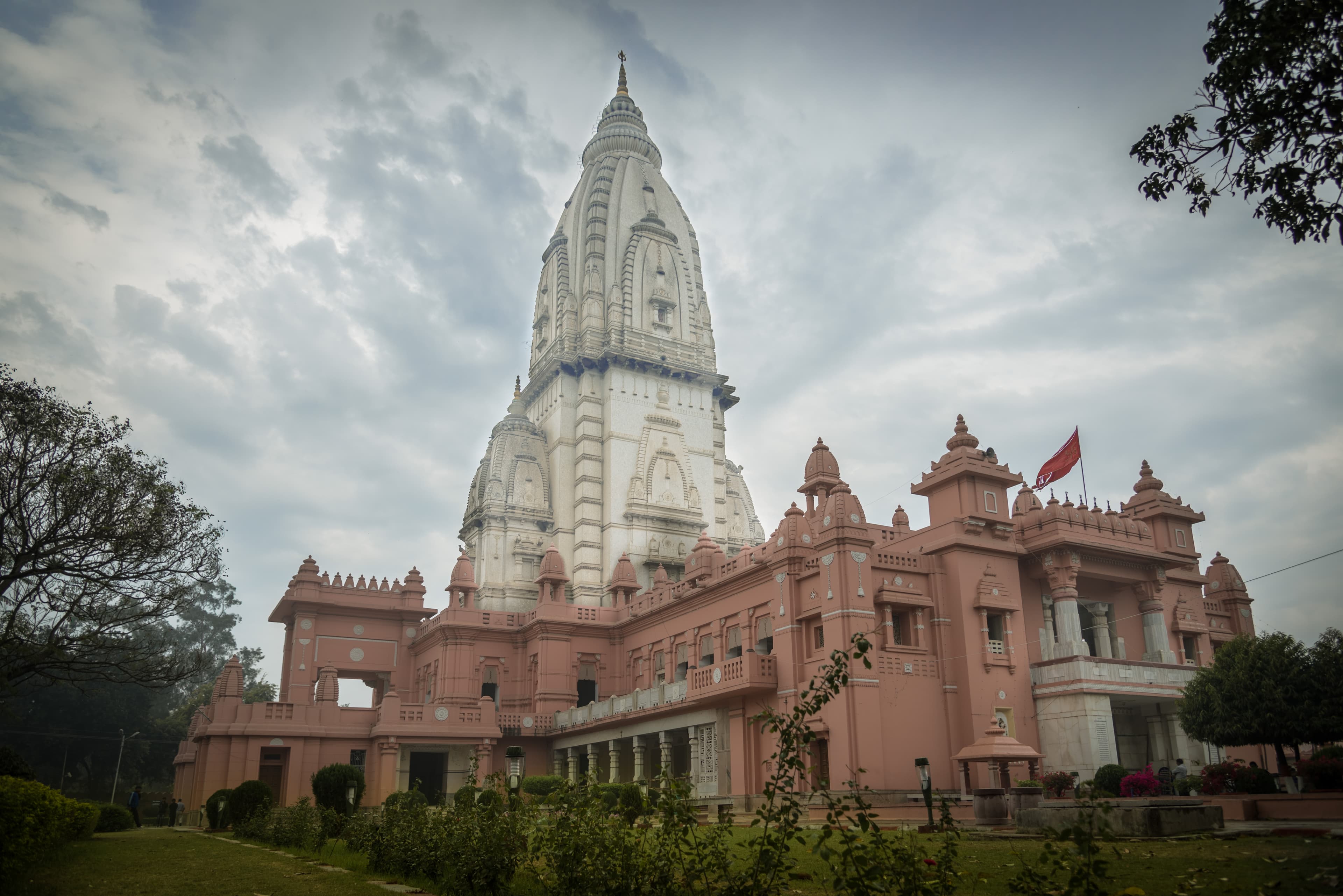
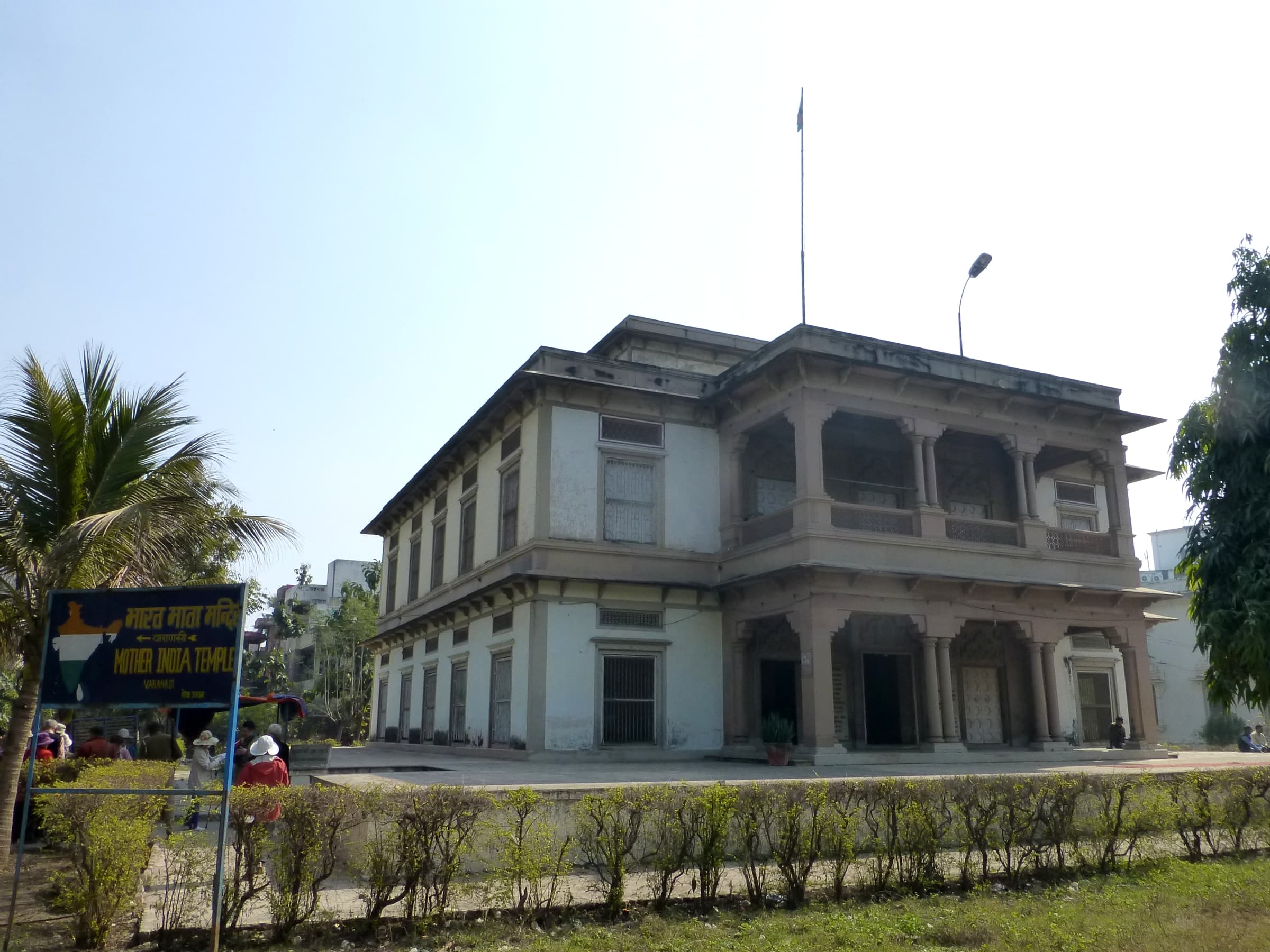
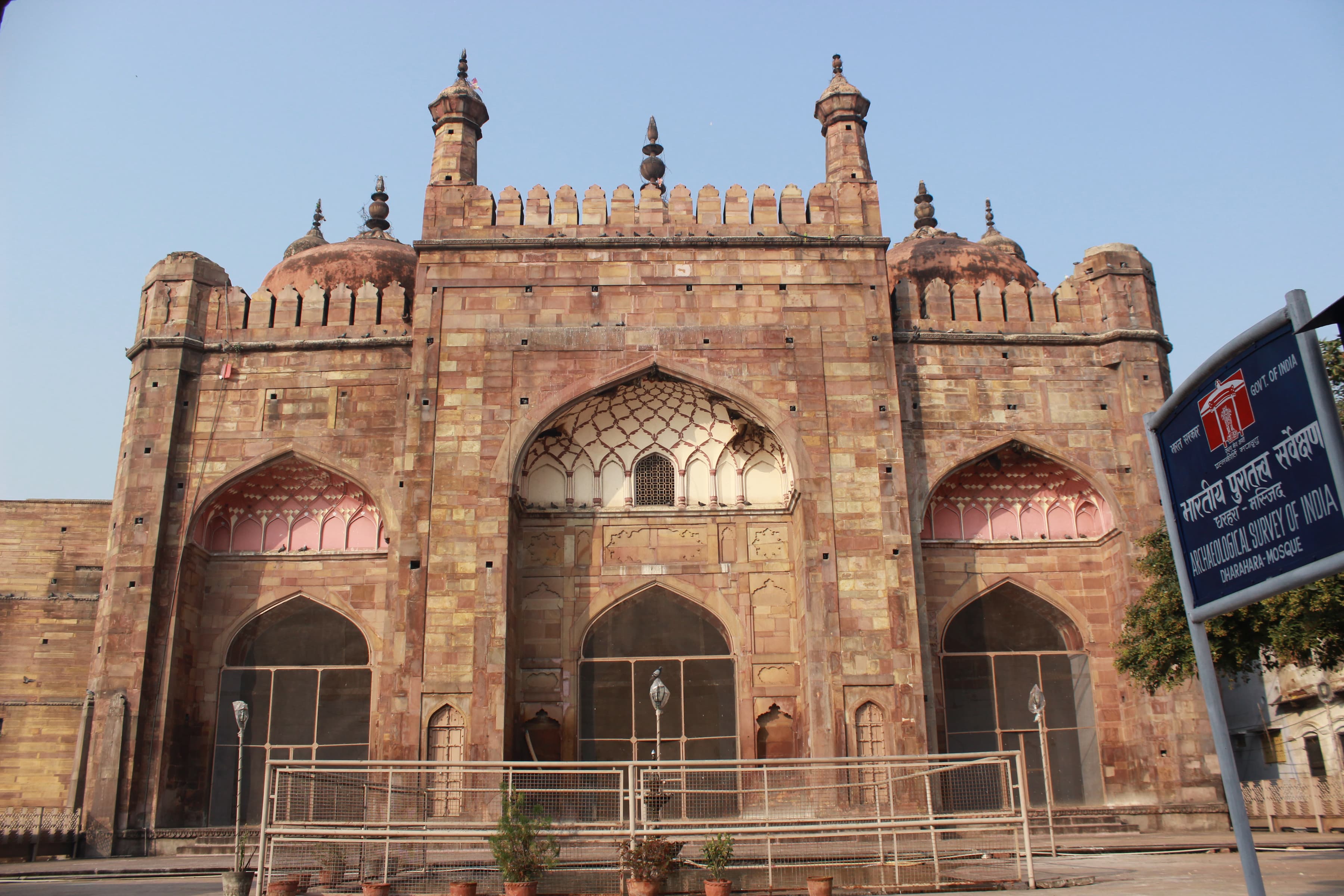
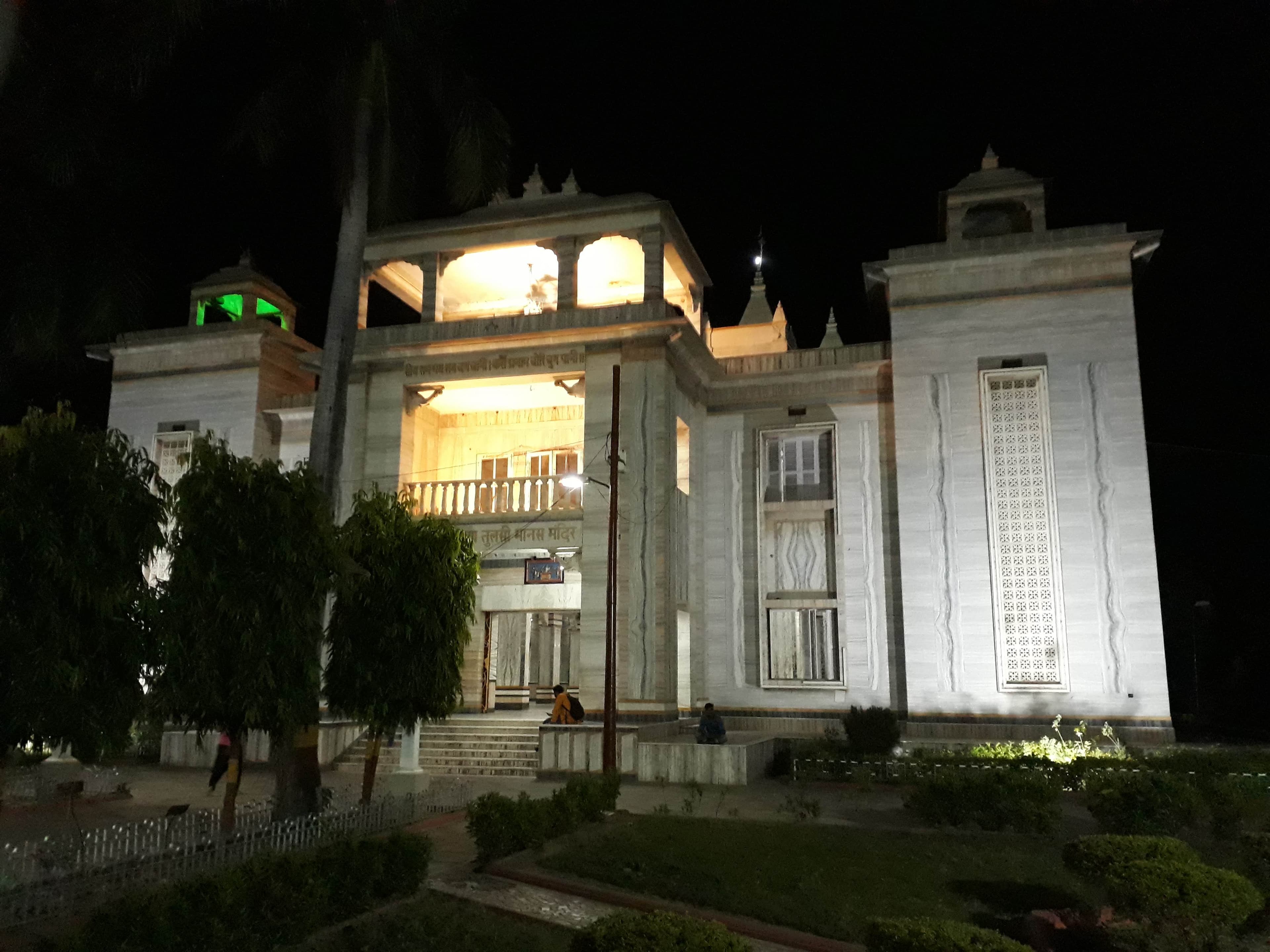
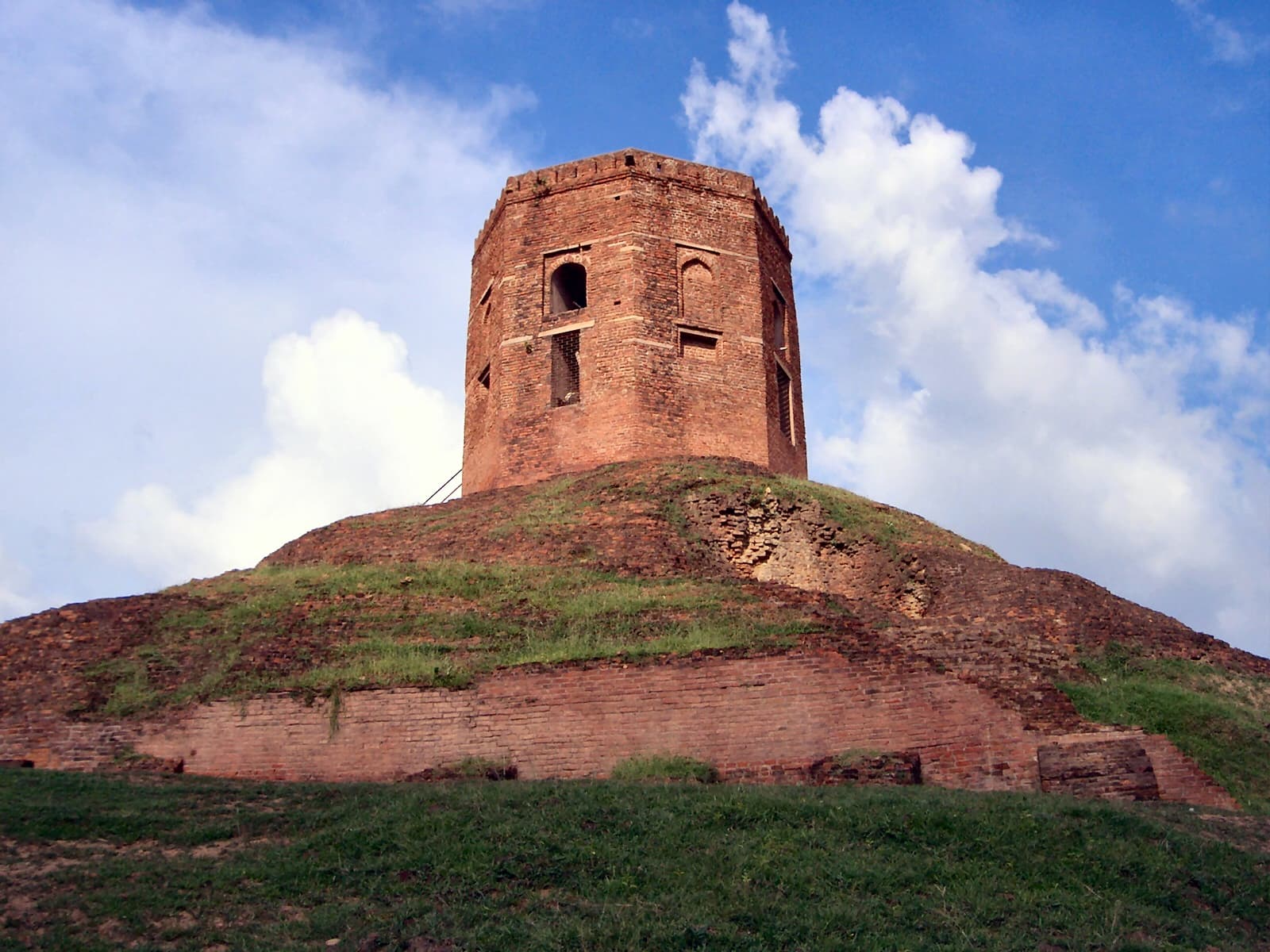
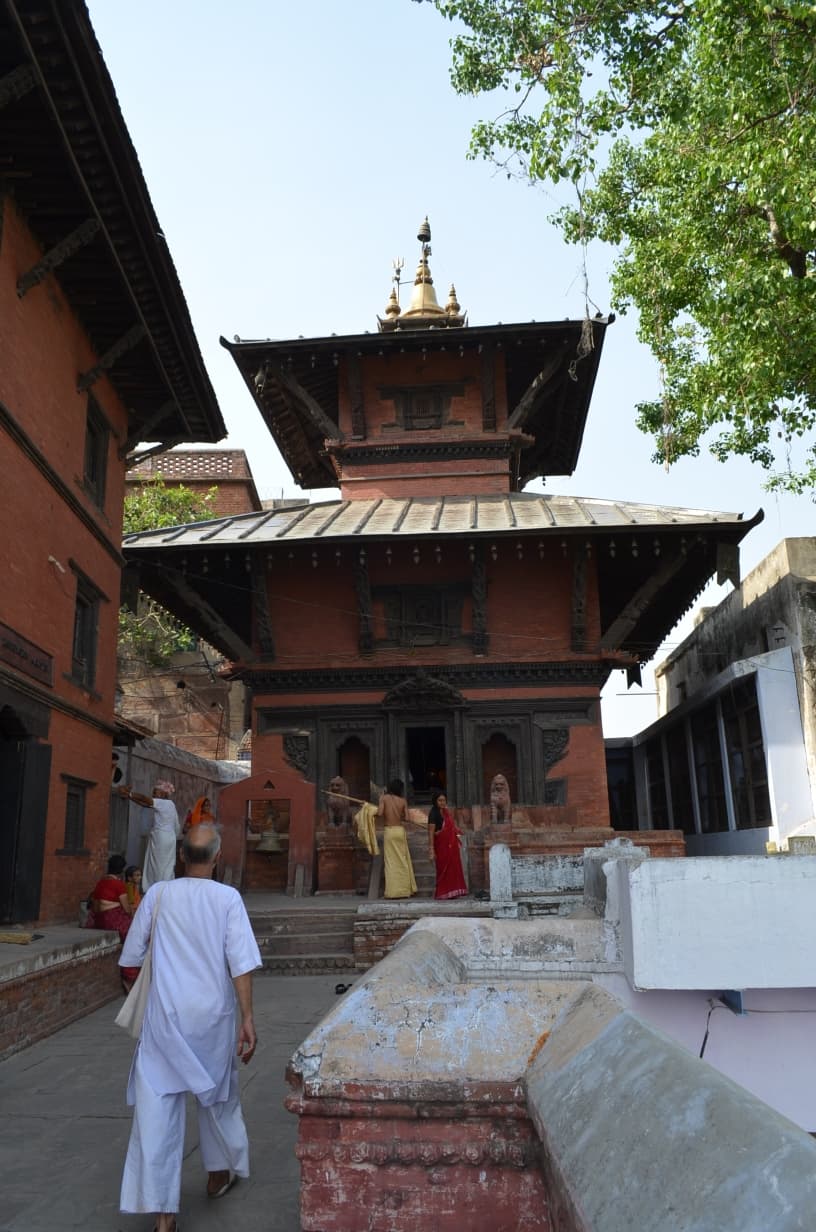
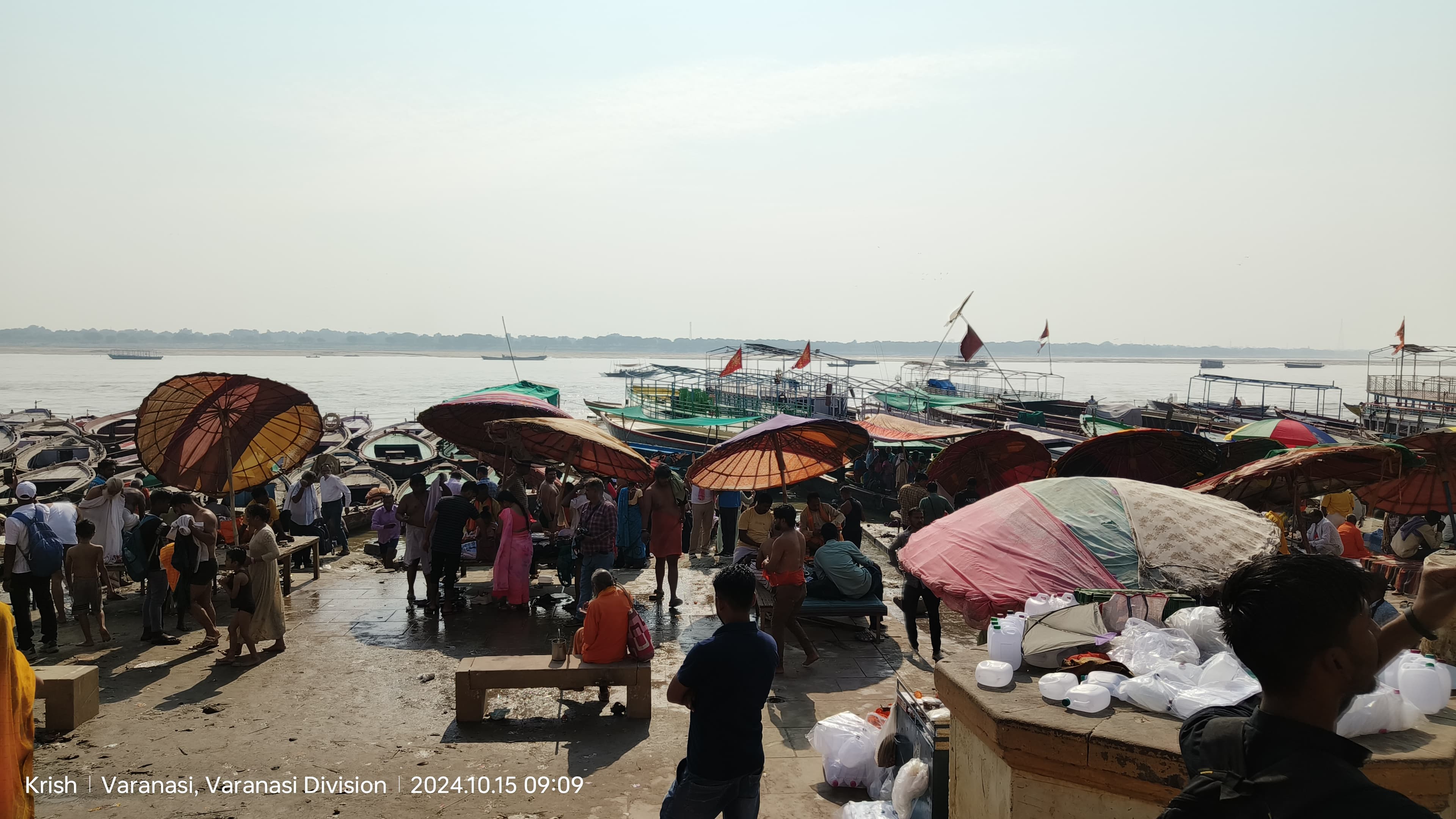
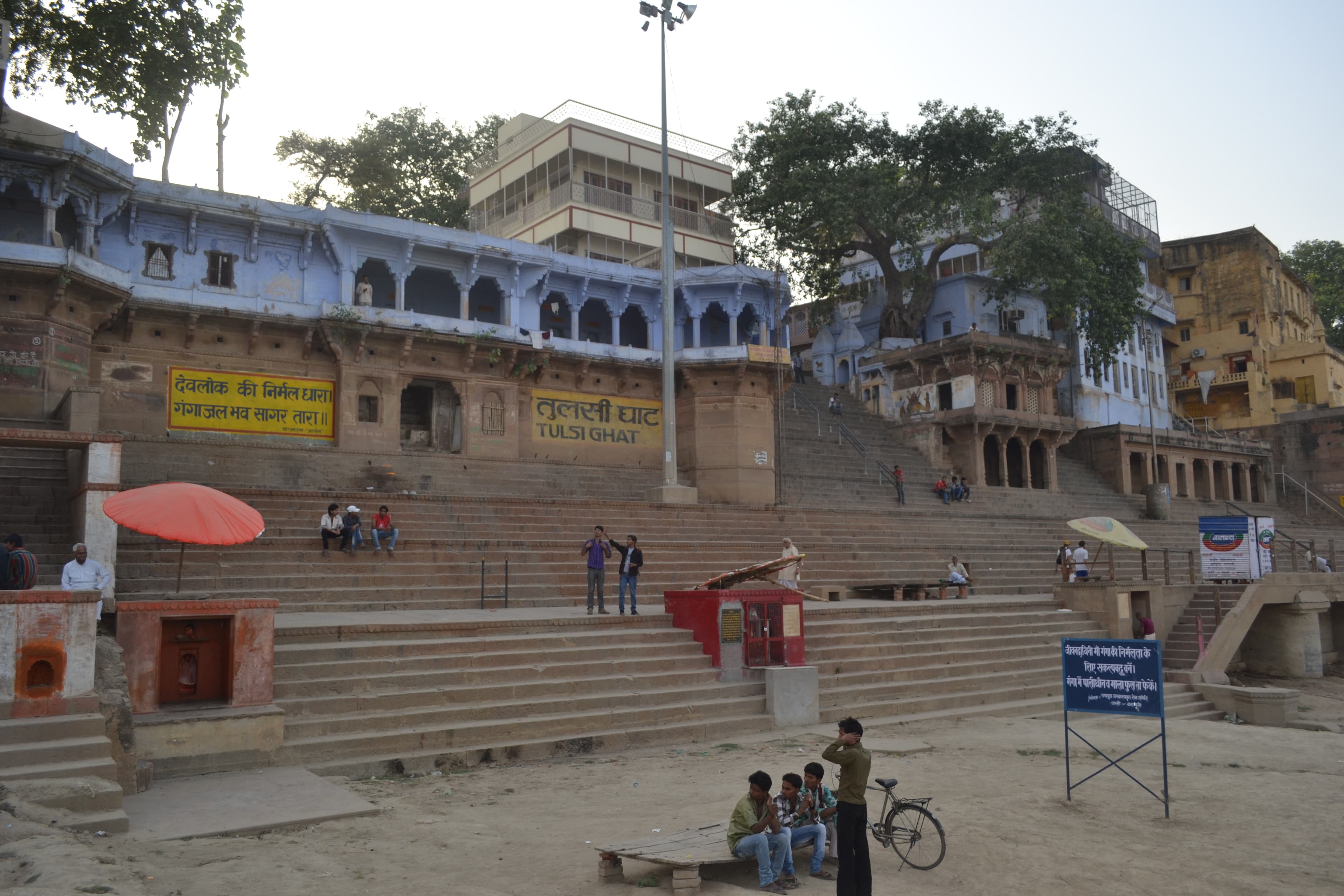
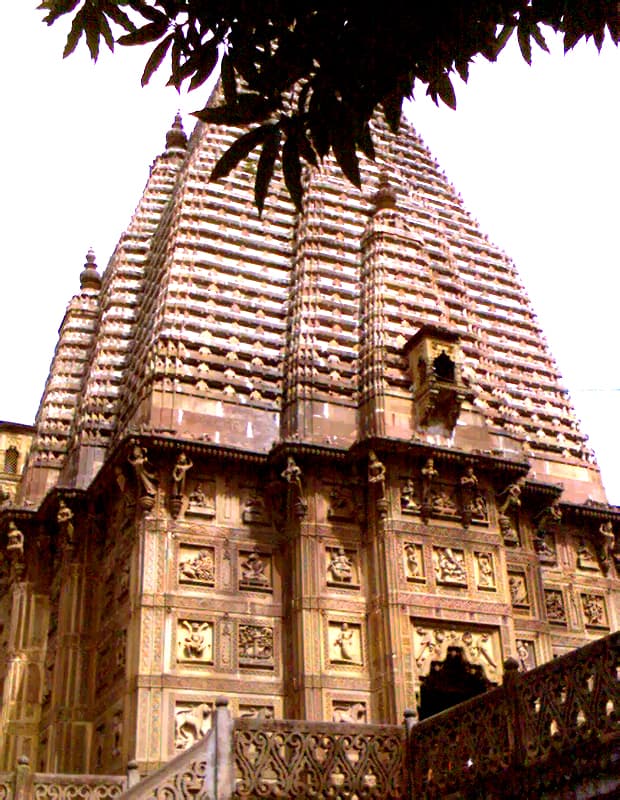
Varanasi is known for
Why Varanasi is famous
- •State / region: Uttar Pradesh; Purvanchal (eastern UP)
- •River: Ganga, on its west bank, where the river turns north
- •Language / dialect: Hindi and Bhojpuri; Banarasi Bhojpuri is the street register
- •Sacred status: One of the Sapta Puri (seven cities granting moksha); site of a Jyotirlinga (Kashi Vishwanath); associated with a Shakti Peetha
- •Founding tradition: Tradition holds Kashi was founded by Shiva himself and is held on the tip of his trident, so that it stands outside ordinary earth and is untouched by pralaya (dissolution). The Kashi Khanda of the Skanda Purana is the principal textual source for the city's sacred geography.
- •Moksha belief: Dying within the boundary of Kashi is held to grant moksha, release from rebirth. This underpins the city's muktibhavans (liberation houses) and the continuous cremation at Manikarnika.
- •The twelve Adityas: Tradition holds Surya, sent by Shiva to Kashi, was captivated by the city and divided himself into twelve Adityas (solar shrines) that remain scattered across it. Lolark is held to be the foremost.
- •Varuna and Assi: The Vamana Purana account holds that the Varuna and Assi streams arose from the body of the primordial being, and the tract between them is the holiest ground.
- •Silk weaving: The city's largest traditional industry. Weaving is done largely within households on room-sized foot-powered looms, and most weavers are Muslims of the Ansari (Momin) community, the craft passing father to son.
- •Weaving history: Varanasi was a cotton-textile centre before it was a silk one; Ralph Fitch, an English traveller in India between 1583 and 1586, recorded its cotton textiles. Most accounts place the origin of Banarasi silk between the 16th and early 17th centuries, with weaving families and merchants moving in after the 1603 Gujarat famine.
- •Weaving clusters: Madanpura, Alaipura, Lallapura, Nati Imli, Chittanpura, Pilikothi, Ramnagar, Sarai Mohana, Lohta, Khojwan, Dulahipur, Cholhapur, Dharsauna
- •Cluster distinction: Madanpura weavers are known for fine, delicate kinkhab work with a neat selvedge; Alaipura weavers experiment with new techniques and designs and keep the selvedge deliberately rough and uneven.
- •Seasonal note: Malaiyo, a saffron-scented milk froth served in clay cups, is made only in the cold months and typically sells out by late morning.
- •Commodity specialisation: Varanasi's bazaars are commodity-specific rather than general: the silk sari trade concentrates in Vishwanath Lane, the copper and brass trade in Thatheri Bazaar, with further specialised mandis clustered near the temple.
- •Best season: October to March. Dev Deepawali (Kartik Purnima) and the 31-day Ramnagar Ramlila (Sept-Oct) are the two peak-demand windows.
AI-drafted from general knowledge — may contain mistakes.
Varanasi at a glance
- 🏛️Member of the UNESCO Creative Cities Network in the Music category
- ⚠️Manikarnika and Harishchandra are working cremation grounds
- ⚠️photography of pyres and mourners is intrusive and locally resented. Bhang is sold openly in lassi at some Chowk shops and is easy to order unknowingly. Power-loom 'Banarasi-style' saris from Surat are widely sold as handloom
- ⚠️the GI mark and the reverse-side weave are the checks.
History at a glance
- c. 1200 BCE onward · VEDICArchaeological evidence places continuous settlement at Varanasi from at least the 2nd millennium BCE, which is the basis of the 'oldest continuously inhabited city' claim.
- 6th century BCE · BUDDHISTVaranasi is the capital of the Kashi mahajanapada. The Buddha delivers his first sermon at Sarnath, about 10 km away.
- 3rd century BCE · BUDDHISTAshoka builds at Sarnath; the Dhamek Stupa site and the Ashokan pillar belong to this horizon.
- c. 635 CE · BUDDHISTThe Chinese traveller Xuanzang (Hsuan Tsang) visits and records the city.
- 1089-1197 CE · GAHADAVALAGahadavala rule. Major temple and sacred-tank patronage; Lolark Kund's present masonry is associated with this dynasty.
- 1194 CE onward · SULTANATEVaranasi passes under Delhi Sultanate control; the period sees repeated temple destruction and displacement of scholars.
- 15th-16th century · SULTANATEThe Bhakti and Sant flowering: Kabir, Ravidas and later Tulsidas are all Banaras figures.
- 16th century · MUGHALAkbar's accession brings a measure of relief and rebuilding to the city's religious life.
- 1669 · MUGHALThe earlier Vishveshvara temple is demolished under Aurangzeb; the Gyanvapi mosque stands on the adjoining site. This is the subject of continuing litigation and should be rendered neutrally.
- 1776 · MARATHARaja Udit Narayan Singh, ruler of Benares, is credited with beginning the Ramnagar form of the Ramlila, performed in and around Ramnagar Fort.
- 1775-1785 · MARATHAAhilyabai Holkar, Queen of Indore, builds the present Vishveshvara/Vishwanath temple and extends Dashashwamedh Ghat, alongside wide temple and ghat renovation across the city.
- 1781 · COLONIALRaja Chet Singh's conflict with Warren Hastings ends Banaras's autonomy; a Chief Magistrate is appointed and the Ramnagar line ceases to govern the city.
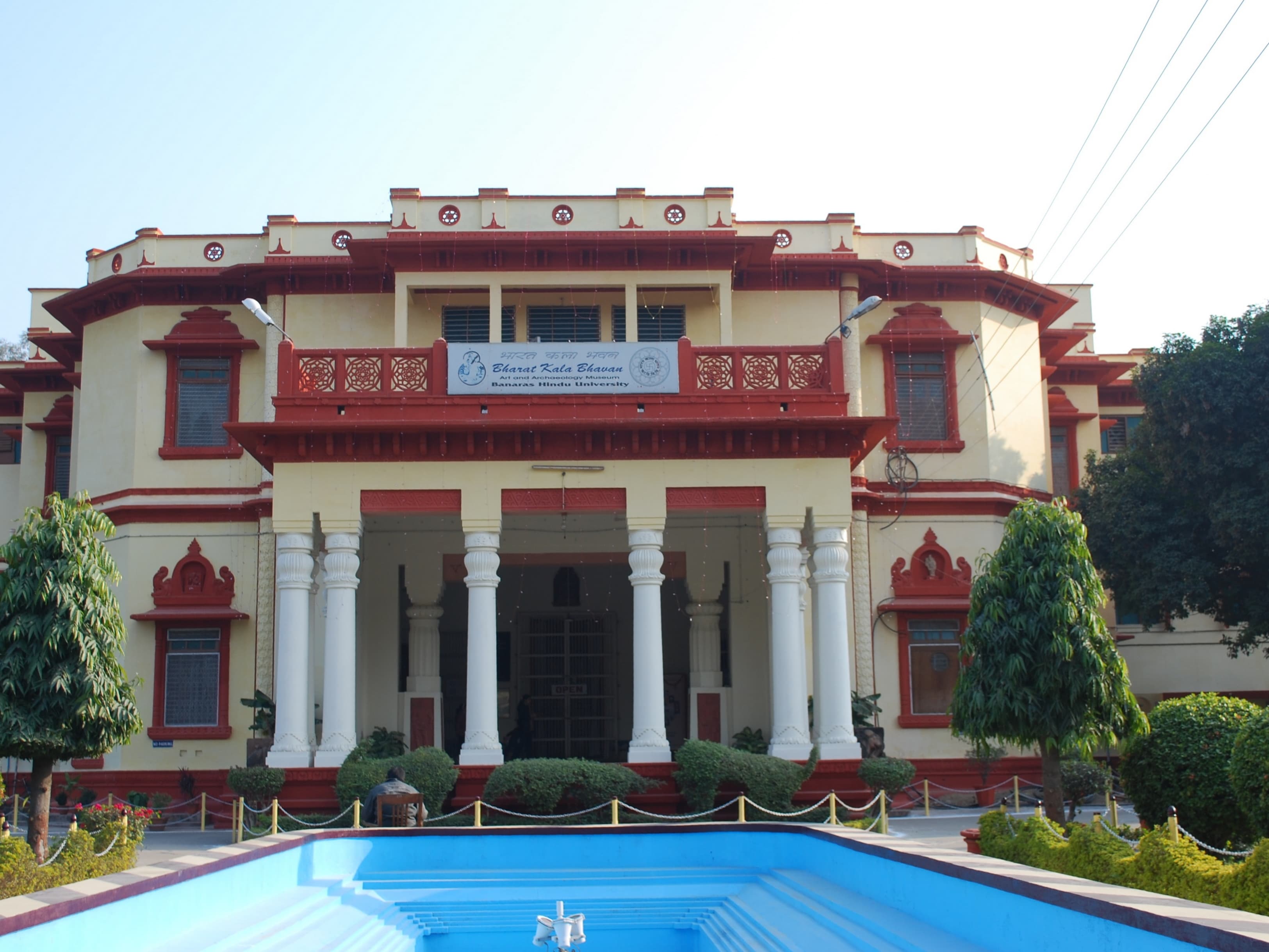
- 1916 · COLONIALBanaras Hindu University is founded by Pandit Madan Mohan Malaviya; its Indo-Saracenic campus on the southern edge pushes the city beyond the old quarters.
- 1949 · MODERNThe princely state of Banaras accedes to the Republic of India.
- 1961 · MODERNThe Diesel Locomotive Works opens, becoming the region's largest employer and shifting the city toward industry.
- 2021 · MODERNThe Kashi Vishwanath Corridor opens, clearing a direct route from the temple to the Ganga and reshaping the lane network around it.
- 2025 · MODERNA state project is approved to widen Dalmandi lane, described as the largest Varanasi intervention after the Kashi Vishwanath Corridor.
Best time to visit
Varanasi's climate is typical of North India, with hot and dry summers from March to June, and mild winters from December to February. The monsoon season brings heavy rain and humidity from July to September, with the rest of the year being relatively dry and warm.
- Dev Deepawali · Oct-Nov (24 Nov 2026 per Wikipedia) · anchored to Kartik PurnimaHeld on Kartik Purnima, fifteen days after Diwali, marking Tripura Purnima. The ghats are lit with more than a million earthen lamps and the gods are held to descend to the river.
- Ganga Mahotsav · Oct-Nov, five days · anchored to Prabodhini Ekadashi to Kartik PurnimaA five-day cultural festival of classical music, dance, a country boat race, a daily shilp mela, sculpture displays and martial arts, ending on the night of Dev Deepawali.
- Ramnagar Ramlila · Sept-Oct, 31 consecutive nights · anchored to Begins around Anant ChaturdashiA 31-night enactment drawn from Tulsidas's Ramcharitmanas, with no electric lighting, no amplification and no stage makeup. Sadhus called Ramayanis attend and recite. Under the patronage of the Benares royal line since 1776.
- Bharat Milap · Oct (21 Oct 2026 reported) · anchored to Day after VijayadashamiThe re-enactment of Rama's reunion with Bharata. Accounts hold the Nati Imli observance has run for more than 400 years; the Kashi Naresh attends in state.
- Nakkatayya · Oct-Nov · anchored to KartikThe Ramlila episode in which Lakshmana cuts off Surpanakha's nose, staged at Chetganj with large processions.
- Nag Nathaiya · Oct-Nov · anchored to KartikKrishna's subduing of the serpent Kaliya, enacted at Tulsi Ghat: a child playing Krishna dives into the Ganga and rises standing on a representation of the serpent.
- Mahashivaratri · Feb-Mar · anchored to Phalguna Krishna ChaturdashiThe principal Shiva festival, and in the city of Shiva the heaviest single temple day outside Shravana.
- Lolark Shashti · Aug-Sep · anchored to Bhadrapada Shukla ShashtiA fertility observance at Lolark Kund. Couples bathe at sunrise, leave behind the clothes they bathed in and a fruit or vegetable they pledge to renounce, and a temporary bazaar forms around the kund.
- Sankat Mochan Sangeet Samaroh · April · anchored to Fixed to the temple calendarA major classical music festival held in the temple precinct, one of the clearest expressions of the city's UNESCO City of Music designation.
- Buddha Purnima / Buddha Mahotsav · Apr-May · anchored to Vaishakha PurnimaSarnath's principal observance, marking the Buddha's birth, enlightenment and passing.
- Chhath Puja · Oct-Nov · anchored to Kartik Shukla ShashtiThe eastern UP and Bihar sun festival, observed in strength on the Varanasi ghats at sunset and sunrise.
- In 12 daysGandhi Jayanti · 2 October
- In 29 daysDurga Ashtami / Maha Navami · 19 October
- In 30 daysDussehra (Vijayadashami) · 20 October
- In 39 daysKarwa Chauth · 29 October
Real dates, not AI-drafted — sourced from the Hindu Panchang, same for every destination.
Weather details and any festival without a stated lunar anchor above are AI-drafted from general knowledge, not independently verified — timing is approximate; double-check before planning around one.
Part of these sacred circuits
Near me
Share your location to see famous places closest to you right now.
Famous places in Varanasi
Sacred & Spiritual
See all 122 →Heritage & Monuments
See all 115 →Nature & Outdoors
Shops & Restaurants
See all 31 →Places to Stay
See all 11 →Getting there & around
- Air — Lal Bahadur Shastri International Airport (Babatpur)
- Rail — Varanasi Junction and Banaras (Manduadih) railway stations
- Road — NH-19 / NH-31
- Auto/Rickshaw — Auto-rickshaw and cycle-rickshaw for the old city
- Walking — the lane network inside Godowlia is walk-only
- Boat — boats along the ghats are a genuine transport mode, not just a ride
What travellers actually paid
Reported by real travellers, not looked up — a real range with a count, never a single guessed number.
Loading…
Local markets for shopping
Sourced from city research where available, otherwise AI-drafted from general knowledge — double-check specifics before relying on it.
Famous eateries & specialties
Sourced from city research where available, otherwise AI-drafted from general knowledge — double-check specifics before relying on it.