
Story
AI-drafted from public sources — may contain mistakes, especially specific dates, names, or claims. Only "Good to know" above is field-checked.
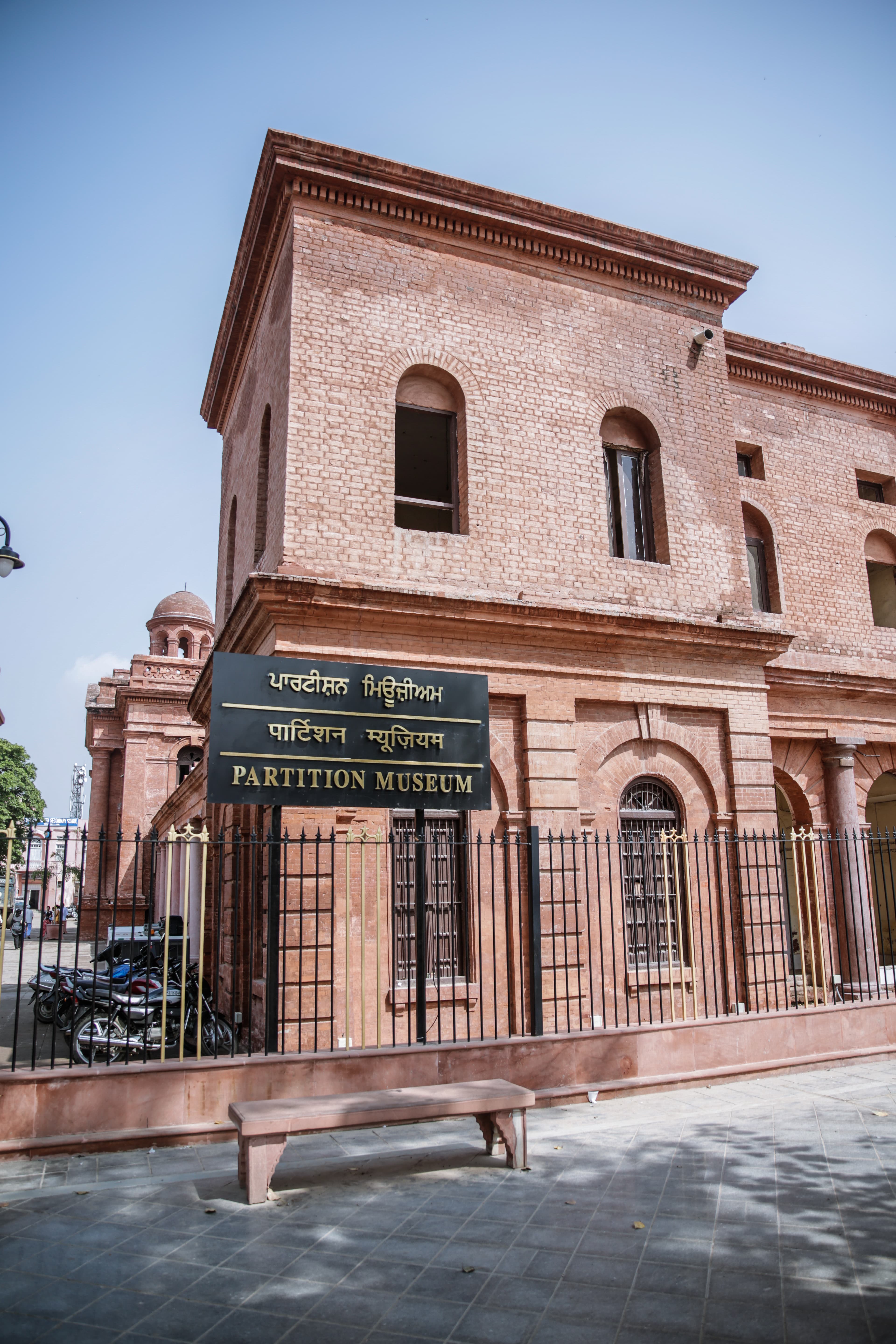
The Partition Museum in Amritsar is a striking edifice built in a style typical of modern Indian architecture, blending contemporary elements with traditional touches. The museum's exterior is characterized by a combination of stone and glass, with clean lines and minimal ornamentation. The interior layout is designed to be functional and intuitive, with spacious galleries and interactive exhibits. The overall scale of the museum is modest, making it easily accessible and navigable. The interior design features a subtle use of local motifs and patterns, such as intricate tile work and carved wooden accents, adding a touch of regional flair to the modern structure.
One of three anchors of the Heritage Mile, with the Golden Temple and Jallianwala Bagh. A building that embodied colonial law and order now records what colonisation and Partition did.
The Partition Museum in Amritsar is a poignant tribute to the tumultuous events of India's past. Tradition holds that the museum's very existence is a testament to the resilience of the human spirit, as it chronicles the stories of those who lived through the Partition of 1947. Local belief says that the museum's exhibits, which include personal artifacts, photographs, and oral testimonies, serve as a powerful reminder of the devastating consequences of communal violence and the need for reconciliation. For many visitors, the museum is a sacred space where they can pay homage to the victims of Partition and reflect on the importance of interfaith harmony.
A people's museum of Partition, housed in the restored colonial Town Hall - a former police kotwali with jail cells, a court of small causes and municipal offices. Built on oral testimony from those who lived through 1947.
As you step into the Partition Museum in Amritsar, you're transported to a poignant chapter of Indian history. The museum's thought-provoking exhibits and interactive displays provide a somber yet enlightening experience. To make the most of your visit, consider arriving early in the day when the museum is less crowded. Wear comfortable shoes and dress modestly, as you'll be exploring a sacred space. Bring a water bottle and a camera to capture the emotional resonance of the exhibits. The museum is easily accessible by public transportation or taxi, with ample parking available nearby. Be sure to check the current timings and entry fees on the app before your visit, as these may be subject to change.