
Story
AI-drafted from public sources — may contain mistakes, especially specific dates, names, or claims. Only "Good to know" above is field-checked.
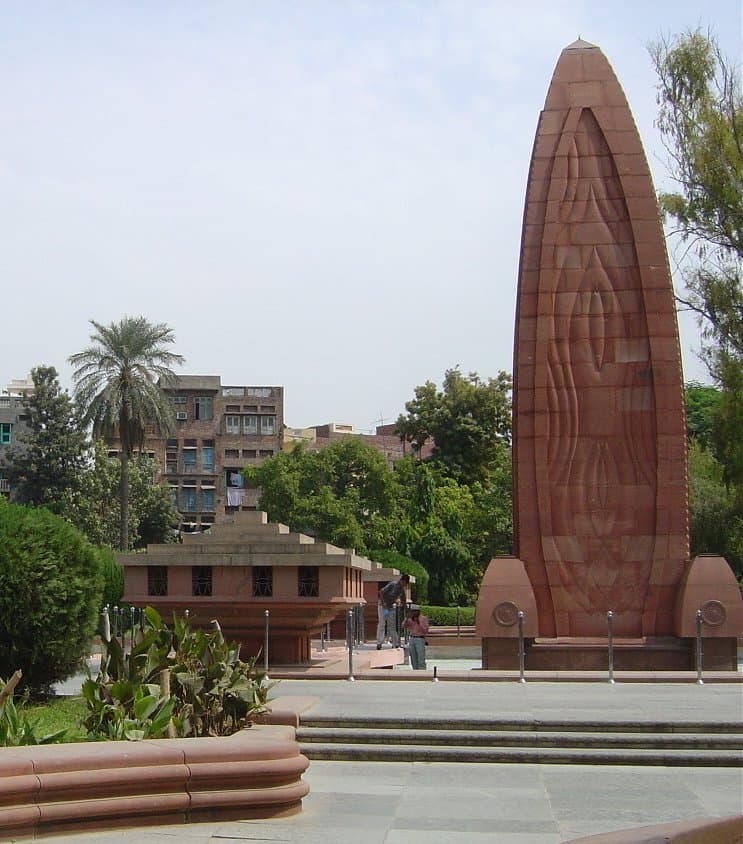
Jallianwala Bagh, a poignant monument in Amritsar, stands as a testament to the city's rich history. The monument's architecture is characterized by a blend of traditional and modern elements. The structure's foundation is built on a large platform, surrounded by a series of arches and pillars. The walls are constructed from a combination of stone and concrete, with intricate carvings and sculptures adorning the surfaces. The monument's scale is imposing, with a large central dome and four smaller domes at the corners, giving it a sense of grandeur. The style of ornamentation is typical of monuments in this region, with intricate carvings and sculptures depicting scenes from Indian mythology and history.
Colonial-era records put the death toll at 379; Indian figures put it closer to 1,000. The massacre followed the repressive Rowlatt Act and became a turning point for the independence movement. Renovated between 2019 and 2021 at a reported Rs 100 crore and reopened in August 2021: murals were added to the narrow alley walls, the martyrs' well enclosed behind a transparent barrier, four museum galleries created, and a sound-and-light show introduced.
Jallianwala Bagh, a poignant monument in Amritsar, is steeped in tradition and local belief. According to local lore, this sacred space is said to be a testament to the city's rich spiritual heritage, with many believing that it holds the essence of the divine. Tradition holds that the Bagh is a sacred site, where devotees come to pay homage to the Almighty, seeking solace and peace. Local belief says that the monument's tranquil atmosphere is a reflection of the city's deep connection with the divine, making it a revered spot for spiritual seekers.
A public garden and the site of the Amritsar Massacre. On 13 April 1919 British troops led by Brigadier General Reginald Dyer entered through a narrow alley and fired without warning on an unarmed crowd. The site holds a red sandstone memorial, walls with bullet marks, and the well into which people fell trying to escape.
As you approach Jallianwala Bagh, the somber atmosphere is palpable. This historic site is a poignant reminder of a tragic event in India's past. To fully appreciate the significance of this place, it's best to visit during the morning or late afternoon when the sun casts a gentle glow on the grounds. Wear comfortable shoes and dress modestly, as Jallianwala Bagh is a place of reverence. The site is easily accessible by public transportation or taxi, with ample parking available. Before your visit, confirm the current timings and any applicable fees through the app to ensure a smooth and respectful experience.