
Chandigarh
Sculpture gardens, museums, and brick markets
Cool shadows fall across concrete grids
Chandigarh, a city in the heart of India, is a treasure trove of heritage that beckons history enthusiasts and culture vultures alike. This carefully crafted city is a haven for travellers seeking a rich tapestry of architectural wonders, vibrant cultural experiences, and a deep connection with the past. As they wander through the city's meticulously planned streets, visitors are treated to a symphony of art deco and modernist masterpieces, a testament to the visionary urban planning that has made Chandigarh a model of urban development. With its unique blend of colonial and modern influences, this city is a must-visit destination for anyone seeking to uncover the secrets of India's fascinating heritage.
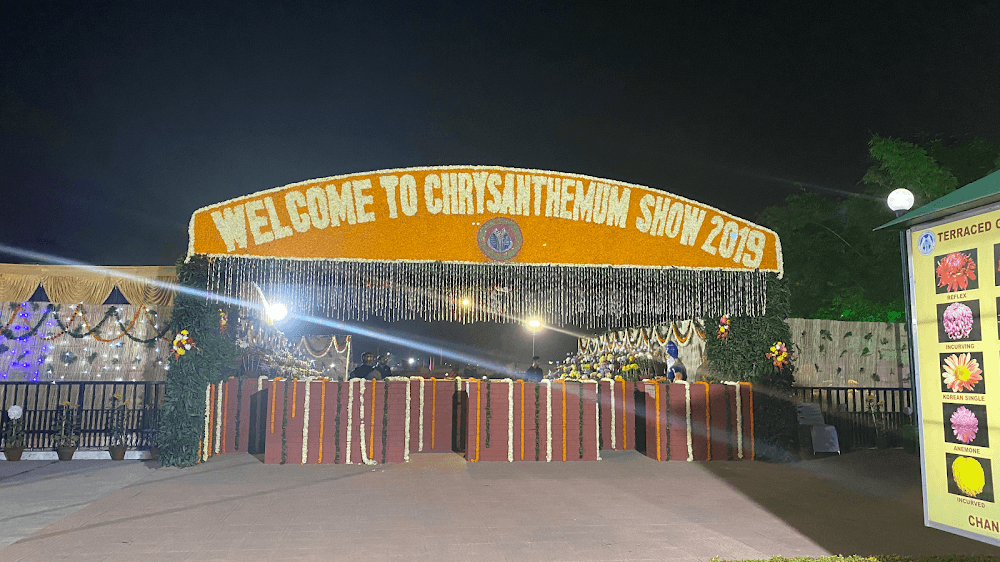
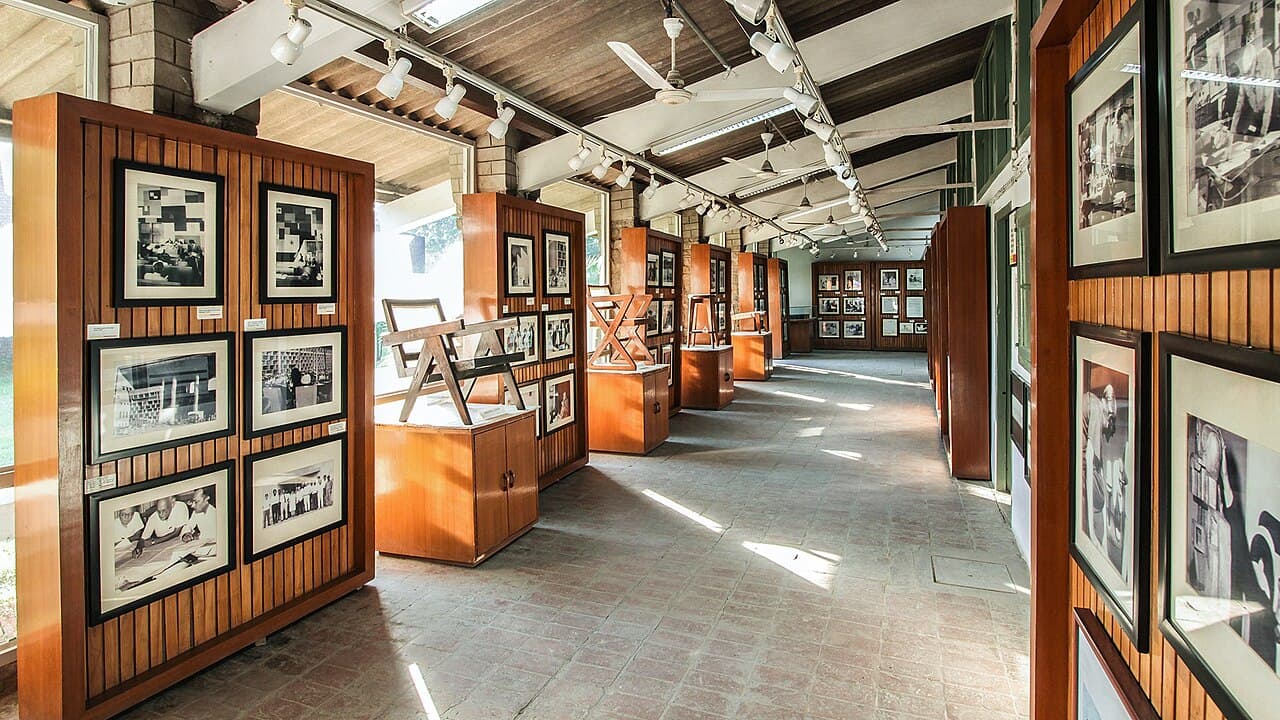
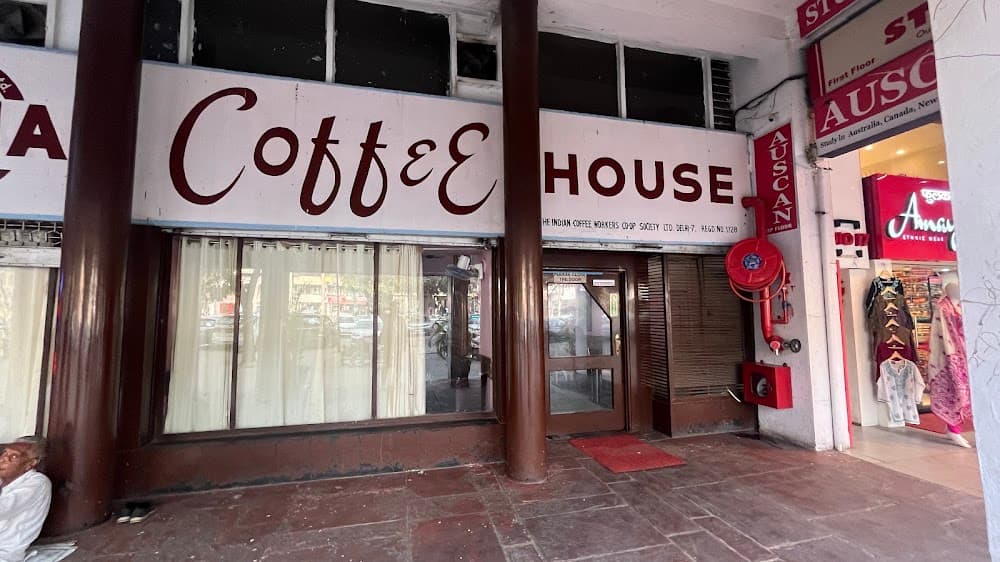
Chandigarh is known for
Why Chandigarh is famous
- •What Chandigarh is: India's first fully planned post-independence city, begun 1951. About 114 sq km, roughly 260 km north-west of Delhi, at the Shivalik foothills. A Union Territory, and simultaneously the capital of both Punjab and Haryana.
- •Why it matters for the product: Thirteenth destination, and the first with neither a sacred core nor an ancient layer. Twelve packs argued about temples, dargahs, imambaras, churches, chariots and relics. Chandigarh has none of that. It is the test of whether a product positioned around India's sacred and heritage destinations can handle a city that is deliberately, programmatically modern.
- •Correcting your own copy: Your page says Chandigarh is 'a city in the heart of India' with 'a symphony of art deco and modernist masterpieces' and 'a unique blend of colonial and modern influences'. It is in the north, not the heart. There is no art deco in Chandigarh - it is modernist and brutalist. And it is not colonial: it was built after independence as an explicit rejection of the colonial and the traditional. That last one is backwards, not merely vague.
- •Why it exists: Partition in 1947 gave Lahore, Punjab's historic capital, to Pakistan. Punjab needed a new capital quickly, and Nehru treated it as an opportunity to build a symbol for a newly independent nation.
- •The Nehru line: Nehru described it as a 'new town, symbolic of the freedom of India unfettered by the traditions of the past, an expression of the nation's faith in the future'. His instruction to the architects was that they be expressive and experimental and not let themselves be hindered by tradition.
- •The first plan, abandoned: Albert Mayer, an American planner, with the Polish architect Matthew Nowicki, produced a curvilinear, fan-shaped superblock plan in 1950 - Nowicki drew a leaf beside it to make the point. Nowicki died in a plane crash near Cairo and Mayer withdrew. The original plan hangs in the Chandigarh Architecture Museum.
- •How Le Corbusier was found: The civil servants P.N. Thapar and P.L. Verma travelled across Europe in 1950 looking for a replacement. In London they were impressed by Maxwell Fry and Jane Drew, who recommended Le Corbusier. He arrived in February 1951 as Government Architectural Adviser and called the commission the fruit of a 65-year-old man's long experience.
- •What he changed: He kept Mayer's idea of self-contained sectors and replaced the curves with a rectilinear grid of uniform sectors. A former principal of the Chandigarh College of Architecture records him saying that only donkeys move in a zigzag manner.
- •The sector: The primary planning unit: roughly 800 by 1,200 metres, self-contained, with housing, a market, schools and internal green space. Movement runs on the 7V road hierarchy, from regional highways down to pedestrian paths and cycle routes. The Leisure Valley park runs continuously through the city.
- •The metaphor: The city was conceived as a human body: the Capitol Complex as the head, Sector 17 as the commercial heart, the parks as the lungs, and the road network as the circulatory system.
- •No Sector 13: Le Corbusier left the number out of the 1951 plan on the common superstition. The grid ran from Sector 12 straight to Sector 14 for over fifty years, until the UT Administration renamed Mani Majra as Sector 13 in February 2020.
- •The inscription: The Capitol Complex is one component of 'The Architectural Work of Le Corbusier, an Outstanding Contribution to the Modern Movement' - a transnational serial property of 17 sites across seven countries, inscribed in July 2016 at the 40th session of the World Heritage Committee in Istanbul. Chandigarh's component reference is 1321rev-014, criteria (i)(ii)(vi), 66 ha with a 195 ha buffer zone.
- •The seven countries: Germany, Argentina, Belgium, France, India, Japan and Switzerland - the first nomination of its kind, spanning three continents. Sibling components include the Unité d'habitation in Marseille, the National Museum of Western Art in Tokyo, the House of Dr Curutchet in La Plata and the Chapelle Notre Dame du Haut at Ronchamp.
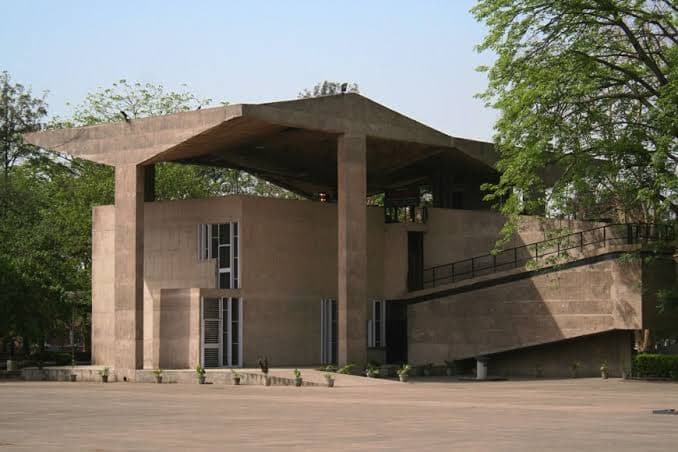
- •What Chandigarh's component contains: The Palace of Assembly, the Secretariat, the Punjab and Haryana High Court and the Open Hand Monument, interspersed with water bodies and smaller structures including the Tower of Shadows and the Geometric Hill. Described by the Le Corbusier World Heritage foundation as a masterpiece of monumental and sculptural architecture celebrating the independence of a nation.
- •What the status means in practice: Any alteration, however small, requires World Heritage panel clearance - a local expert quoted in the Tribune noted that even adding a porch or verandah would affect both national and international recognition. This is a live administrative constraint, not a historical fact.
- •Best season: October to March. The Rose Festival falls in late winter and the Rock Garden is best early, before the coach parties.
AI-drafted from general knowledge — may contain mistakes.
Chandigarh at a glance
- ⚠️The Capitol Complex cannot be visited casually - it is a working government precinct requiring registration and a guided tour at set times, so check before travelling. And Chandigarh is a day-and-a-half destination, not three days
- ⚠️the honest recommendation is to pair it with Amritsar, Kasauli or the hills.
History at a glance
- 1902A forest buffer near what is now Sukhna Lake is designated a land conservancy on which nothing may be built.
- 1947Partition gives Lahore, Punjab's historic capital, to Pakistan. Punjab needs a new capital.
- 1949-1950Albert Mayer and Matthew Nowicki produce a curvilinear, fan-shaped superblock plan. Nowicki dies in a plane crash near Cairo; Mayer withdraws.
- 1950P.N. Thapar and P.L. Verma travel across Europe looking for an architect. In London, Maxwell Fry and Jane Drew recommend Le Corbusier.
- February 1951Le Corbusier arrives as Government Architectural Adviser. He keeps Mayer's sectors and replaces the curves with a rectilinear grid.
- 1951Sector 13 is left out of the plan on the common superstition.
- 1951-1963The Capitol Complex is built: the Palace of Assembly, the Secretariat, the High Court and the Open Hand Monument, with the Tower of Shadows.
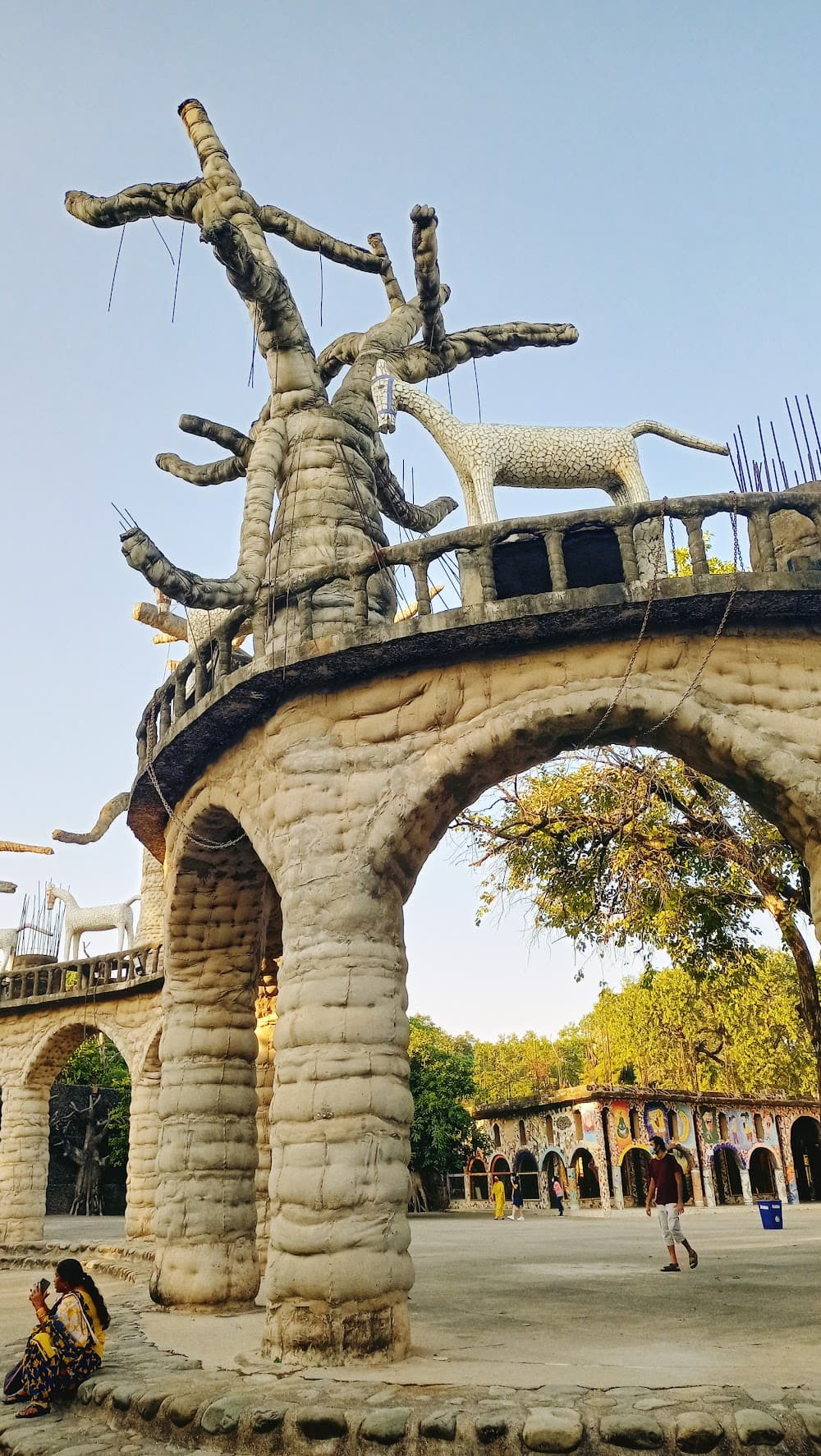
- 1957Nek Chand, a PWD road inspector, begins secretly building his fantasy kingdom of Sukrani in a forest gorge near Sukhna Lake, from demolition and industrial waste.
- 1975The authorities find the Rock Garden after eighteen years. It has grown to about 12 acres of interlinked courtyards filled with hundreds of pottery-covered concrete figures.
- 1976Public opinion saves the garden from demolition and it is inaugurated as a public space.
- 1990Nek Chand leaves on a lecture tour, the city withdraws funding and vandals attack the park. The Rock Garden Society takes over administration and upkeep.
- July 2016The Capitol Complex is inscribed at the 40th session in Istanbul as component 14 of a 17-site transnational serial property across seven countries.
- February 2020The UT Administration renames Mani Majra as Sector 13, ending the gap in the grid after more than fifty years.
Best time to visit
Chandigarh's climate is characterized by hot and dry summers, with temperatures often soaring during the peak summer months. The city experiences a mild winter, with pleasant temperatures, and a brief monsoon season that brings moderate rainfall.
- In 12 daysGandhi Jayanti · 2 October
- In 29 daysDurga Ashtami / Maha Navami · 19 October
- In 30 daysDussehra (Vijayadashami) · 20 October
- In 39 daysKarwa Chauth · 29 October
Real dates, not AI-drafted — sourced from the Hindu Panchang, same for every destination.
Weather details and any festival without a stated lunar anchor above are AI-drafted from general knowledge, not independently verified — timing is approximate; double-check before planning around one.
Part of these sacred circuits
Near me
Share your location to see famous places closest to you right now.
Famous places in Chandigarh
Sacred & Spiritual
See all 65 →Heritage & Monuments
See all 38 →Nature & Outdoors
See all 11 →Shops & Restaurants
See all 19 →Places to Stay
Getting there & around
- Air — Shaheed Bhagat Singh International Airport, about 11 km from the centre. Chandigarh railway station. Roughly 260 km from Delhi by road. NOTE: your page names no airport and cites National Highway 1, which was renumbered - Chandigarh is now on NH5 and NH7.
- Getting around — Sector numbers are the address system - locals give directions as '17' or '35' and taxi drivers expect it. The city is flat and unusually cyclable by Indian standards, with dedicated cycle tracks built into the 7V hierarchy.
What travellers actually paid
Reported by real travellers, not looked up — a real range with a count, never a single guessed number.
Loading…