
Story
AI-drafted from public sources — may contain mistakes, especially specific dates, names, or claims. Only "Good to know" above is field-checked.
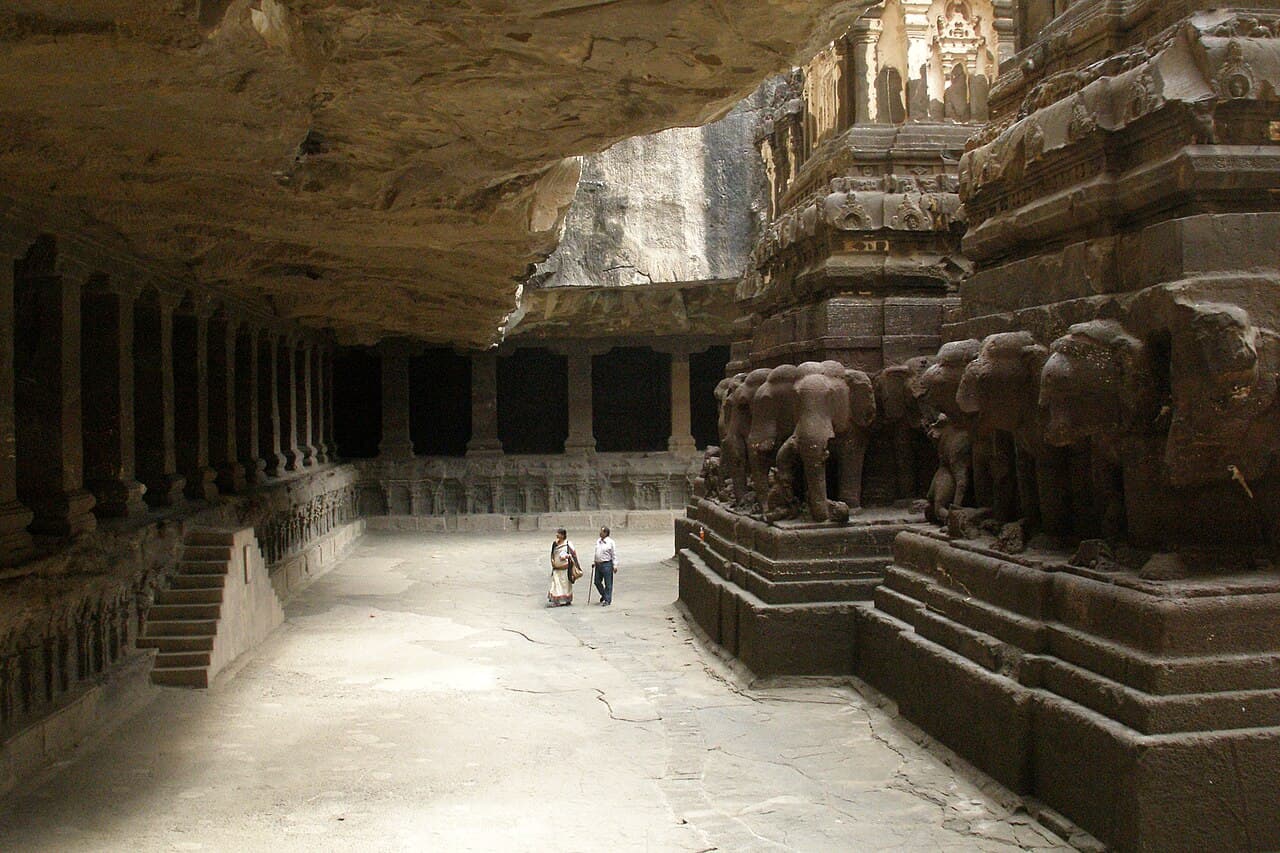
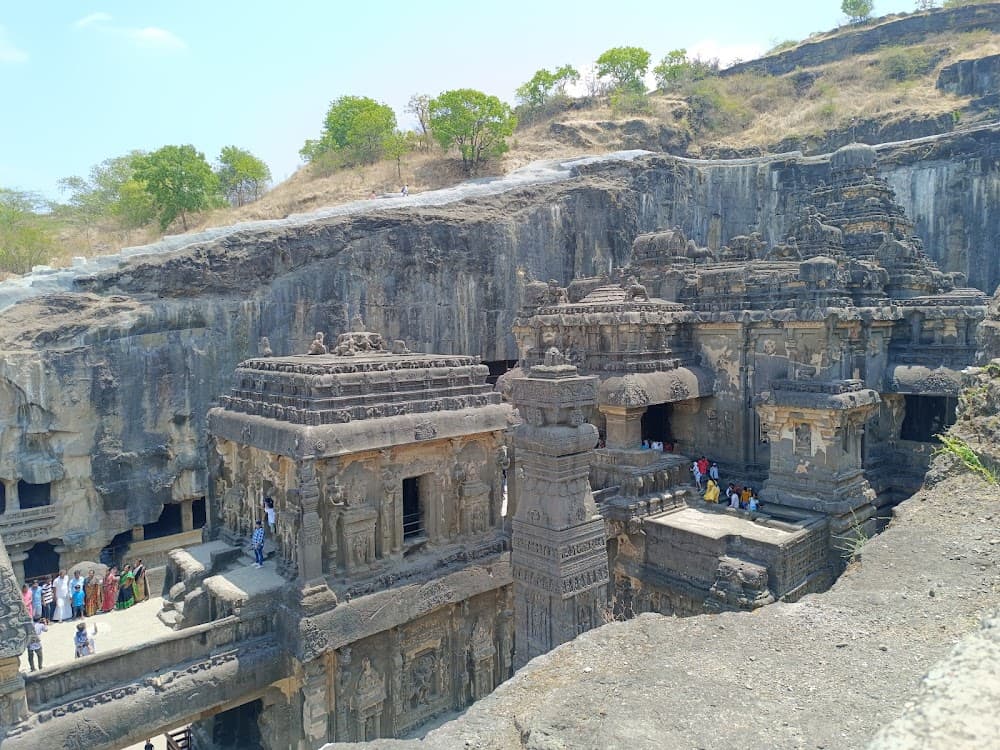
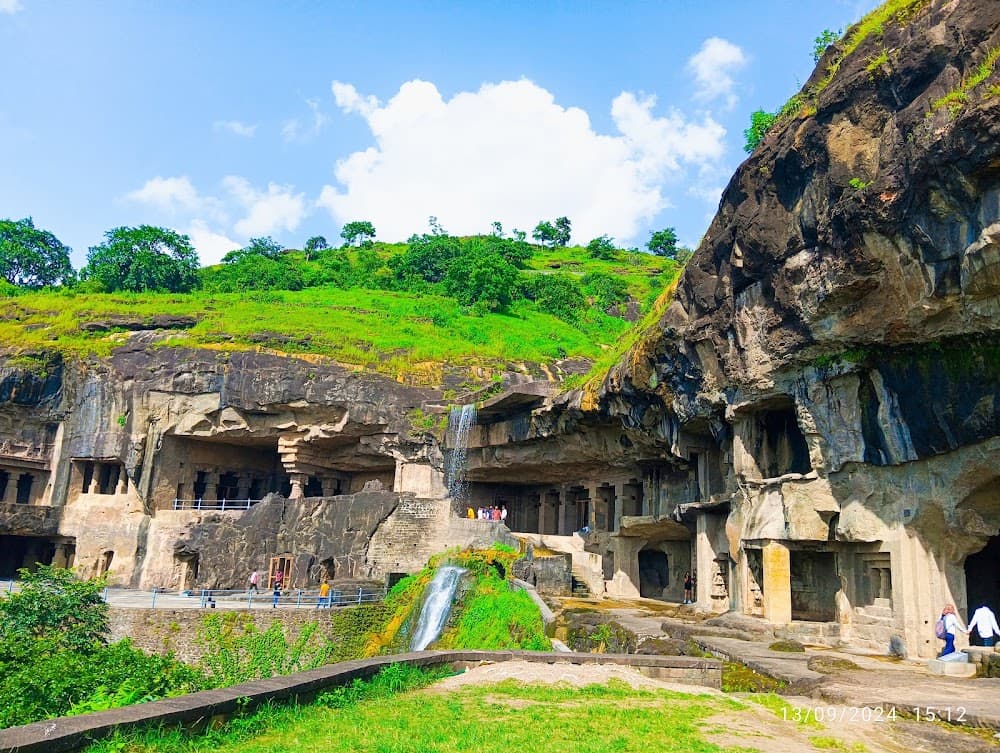
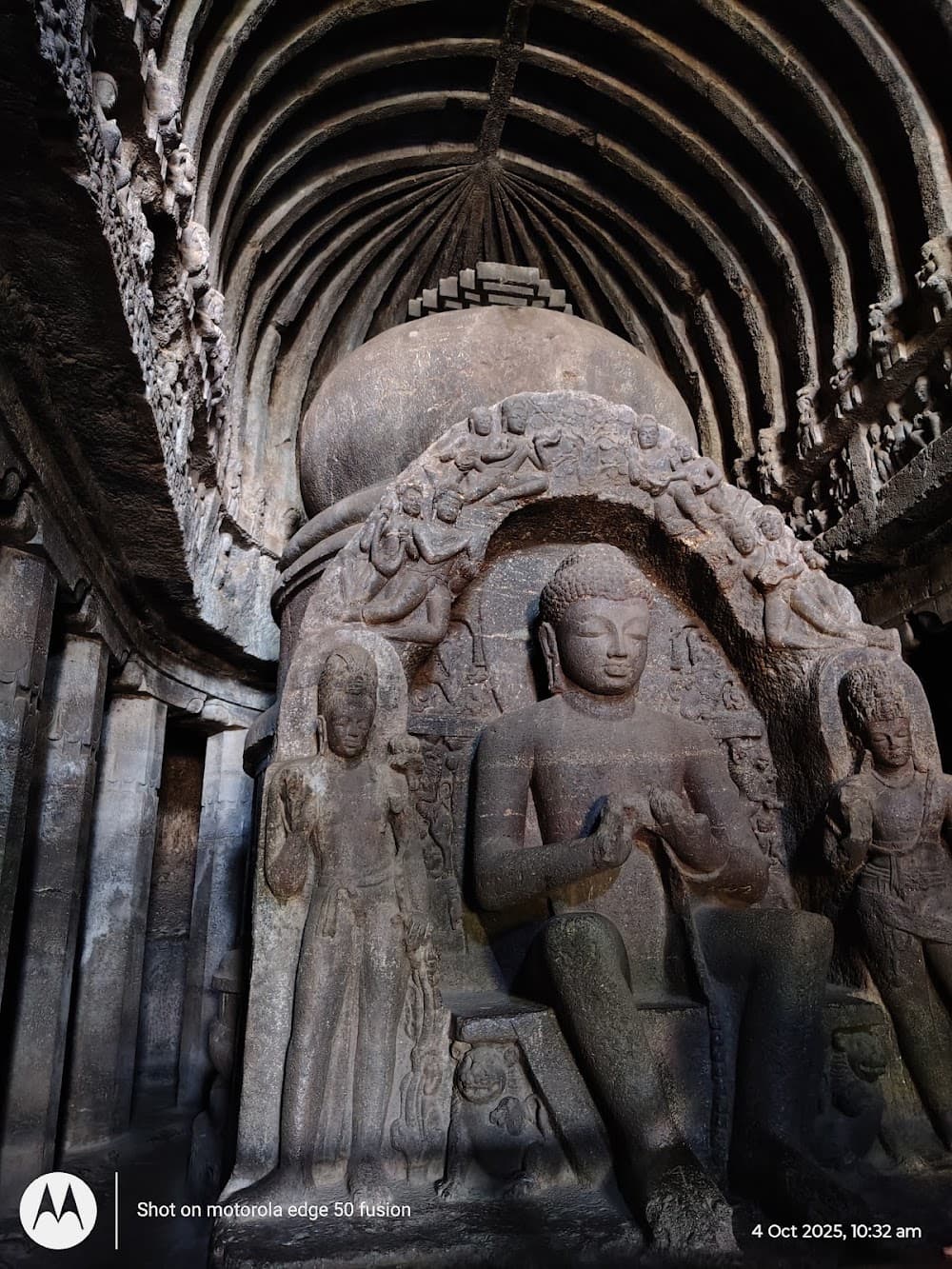
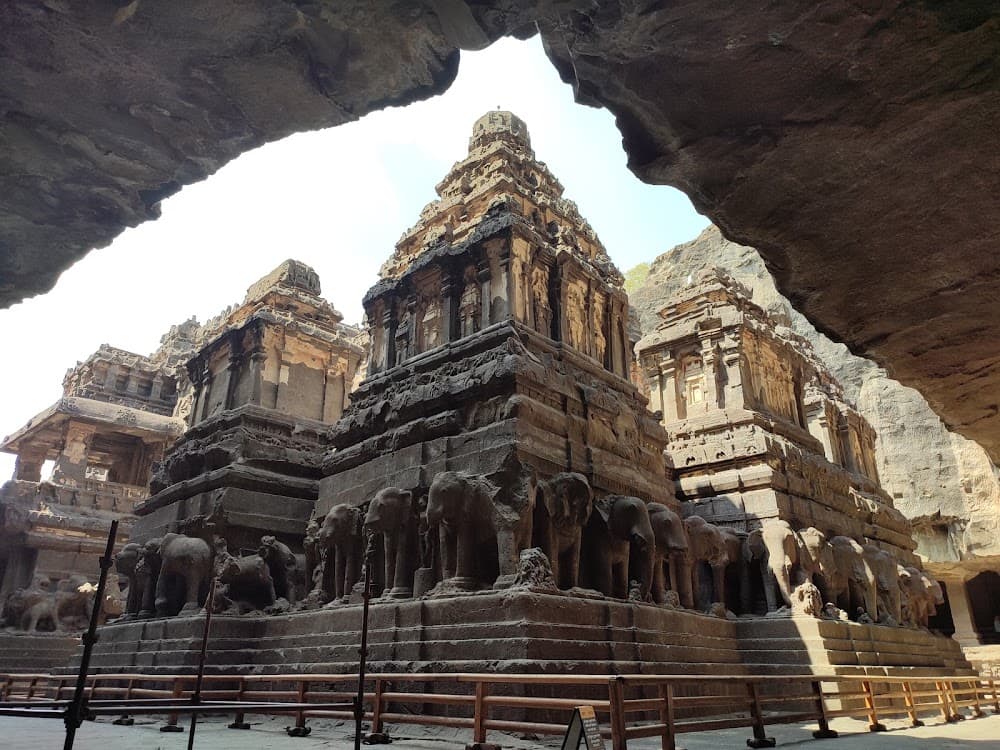
The Ellora Caves are carved into the sloping side of a hill, their facades a testament to the region's rich tradition of rock-cut architecture. Built in a style typical of ancient Indian excavations, the complex features a mix of Buddhist, Hindu, and Jain structures, each with its own distinct character. The caves' walls, pillars, and ceilings are hewn from the native basalt, with intricate carvings and sculptures that adorn the surfaces. The layout is varied, with some caves featuring large, columned halls, while others have smaller, more intimate shrines. The ornamentation is characteristic of the region's medieval style, with elaborate reliefs and sculptures depicting a range of mythological and everyday scenes. As a whole, the Ellora Caves present a striking example of the technical and artistic skill of the region's ancient craftsmen.
Local belief says the Ellora Caves hold a profound spiritual significance, with tradition holding that these rock-cut structures have been a site of devotion for centuries. The intricate carvings and sculptures that adorn the walls are said to depict various deities and mythological figures, reflecting the region's rich cultural heritage. Tradition holds that the caves have been a place of pilgrimage for those seeking spiritual enlightenment, with many believing that the site embodies a powerful spiritual energy. While the specifics of the myths and legends associated with the Ellora Caves are not universally agreed upon, local belief suggests that the site is imbued with a deep sense of reverence and awe, drawing visitors from far and wide to experience its beauty and spiritual significance.
Thirty-four rock-cut caves across Buddhist, Hindu and Jain traditions on a single hillside.
As you explore the ancient Ellora Caves, be prepared for a sensory experience that will transport you to a bygone era. The best time to visit is early morning or late afternoon when the sun is gentle, allowing you to appreciate the intricate carvings and sculptures on the cave walls. Wear comfortable shoes and clothing suitable for a day outdoors, and don't forget to bring a hat and sunscreen for added protection. The caves are situated near the ancient city of Aurangabad, and you can reach them by hiring a taxi or taking a local bus. Once you arrive, confirm the current timings and fees with the local authorities or the entrance staff before beginning your journey.