
Hyderabad
Minarets, Bidriware, and kebabs
Vibrant chaos of vendors and hawkers fills the air
Hyderabad, a city steeped in rich heritage, is a treasure trove for travelers seeking a glimpse into the past. Its historic charm and cultural legacy draw in history buffs, architecture enthusiasts, and those fascinated by the bygone era. The city's blend of Mughal and Nizam styles, evident in its majestic monuments and ornate palaces, is a major draw. As you wander through the narrow alleys and bustling bazaars, you'll discover a city that seamlessly blends tradition with modernity, making it an ideal destination for those seeking a unique cultural experience.
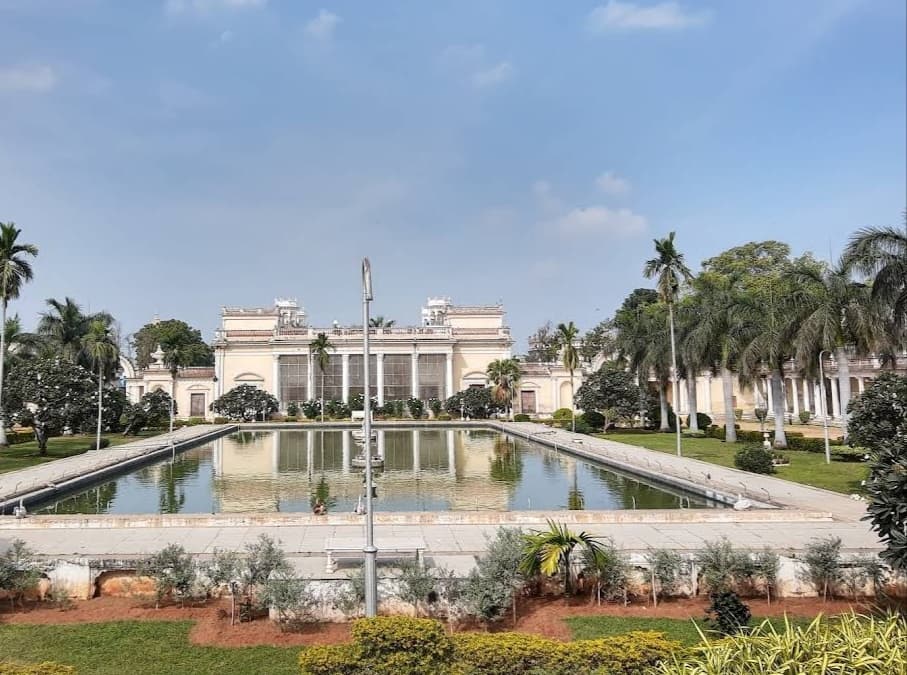
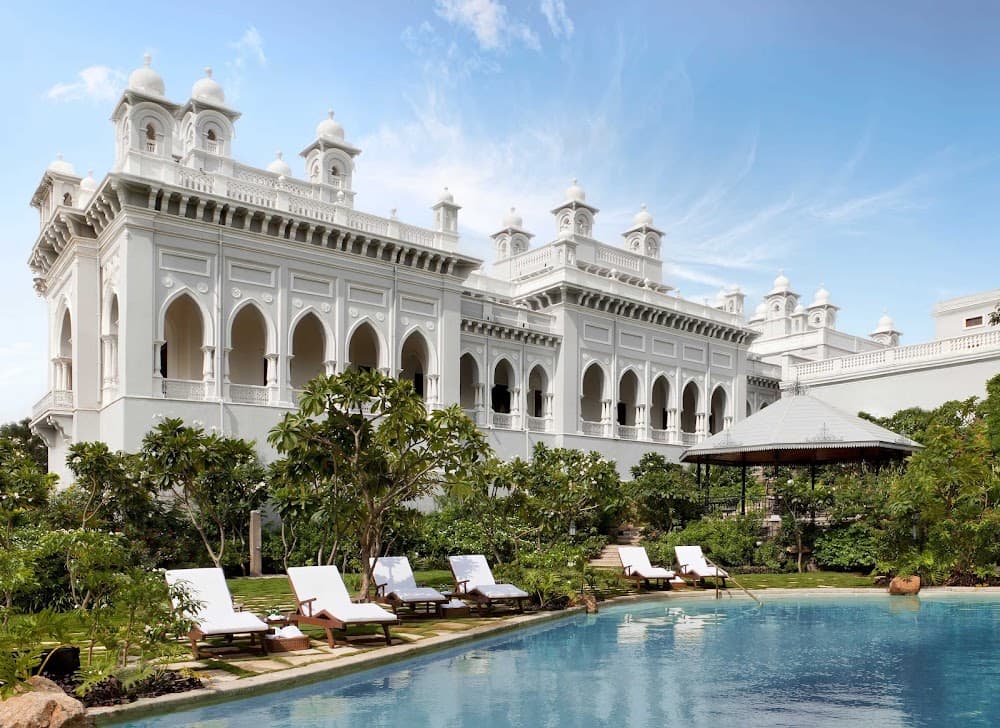
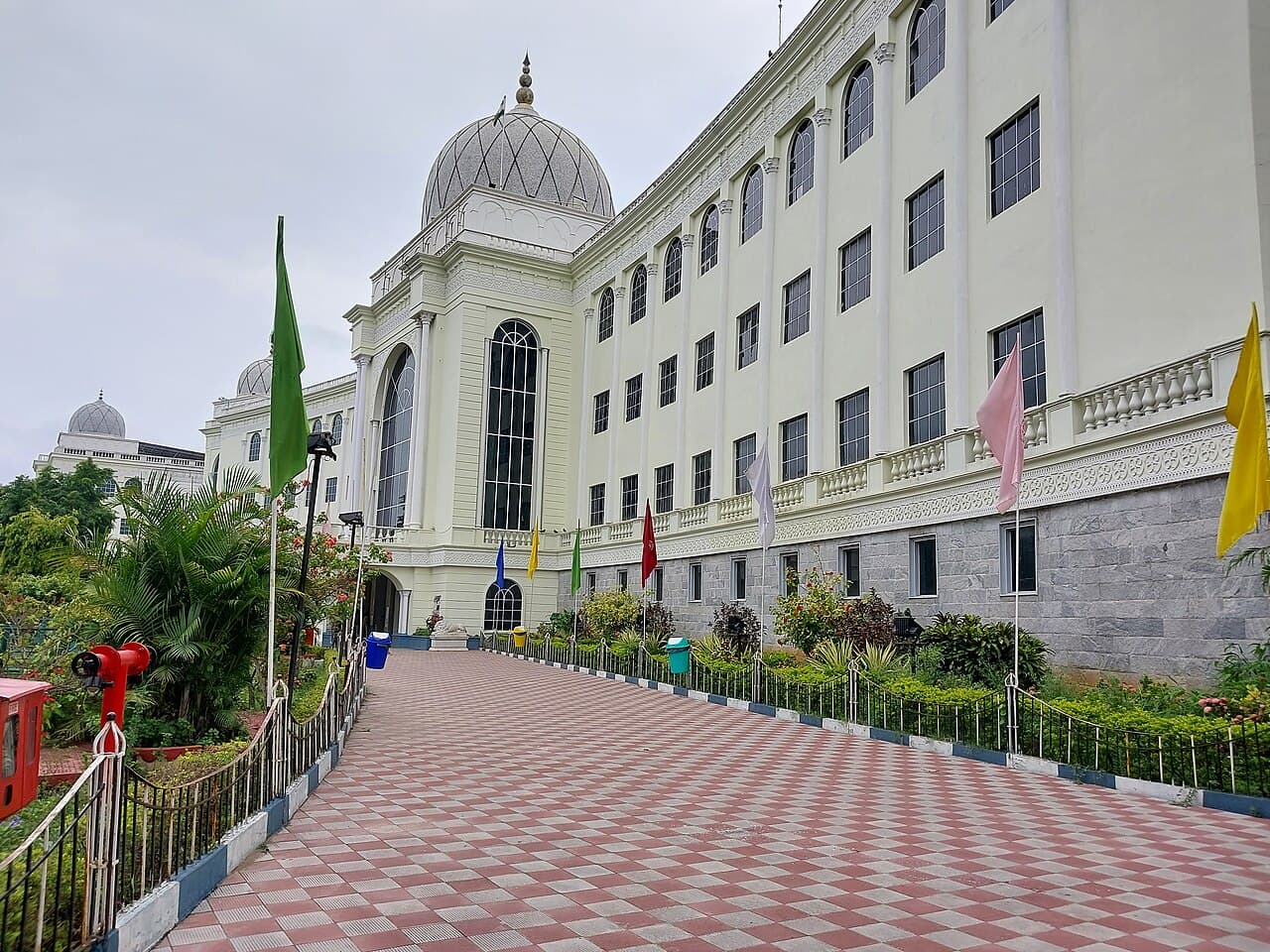
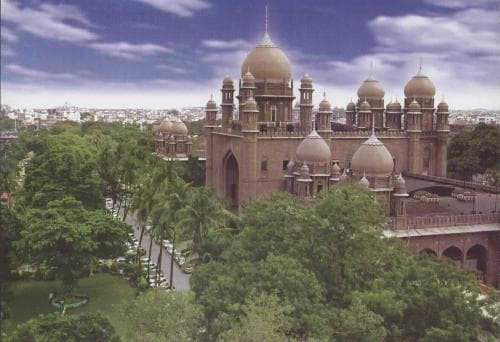
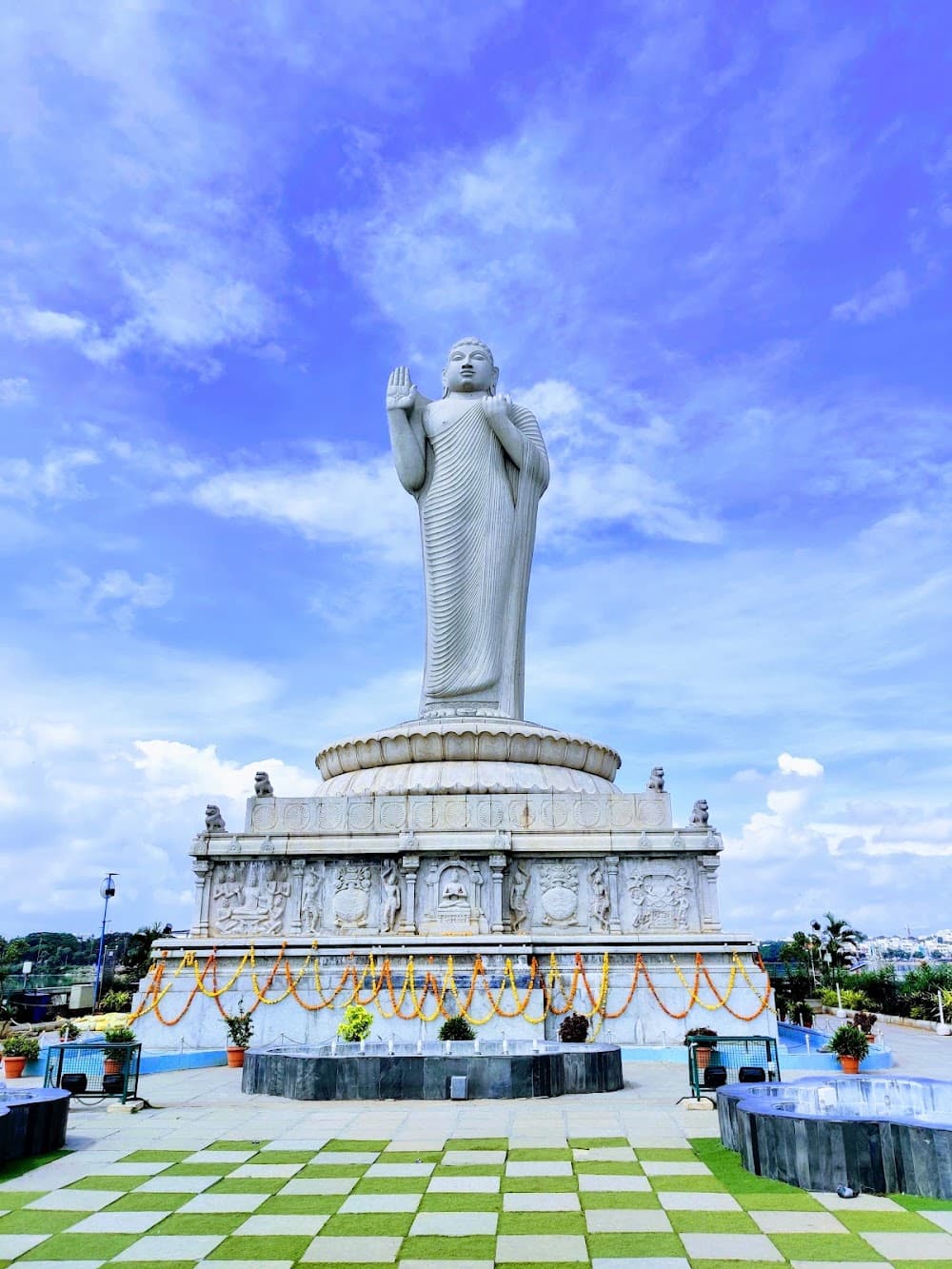
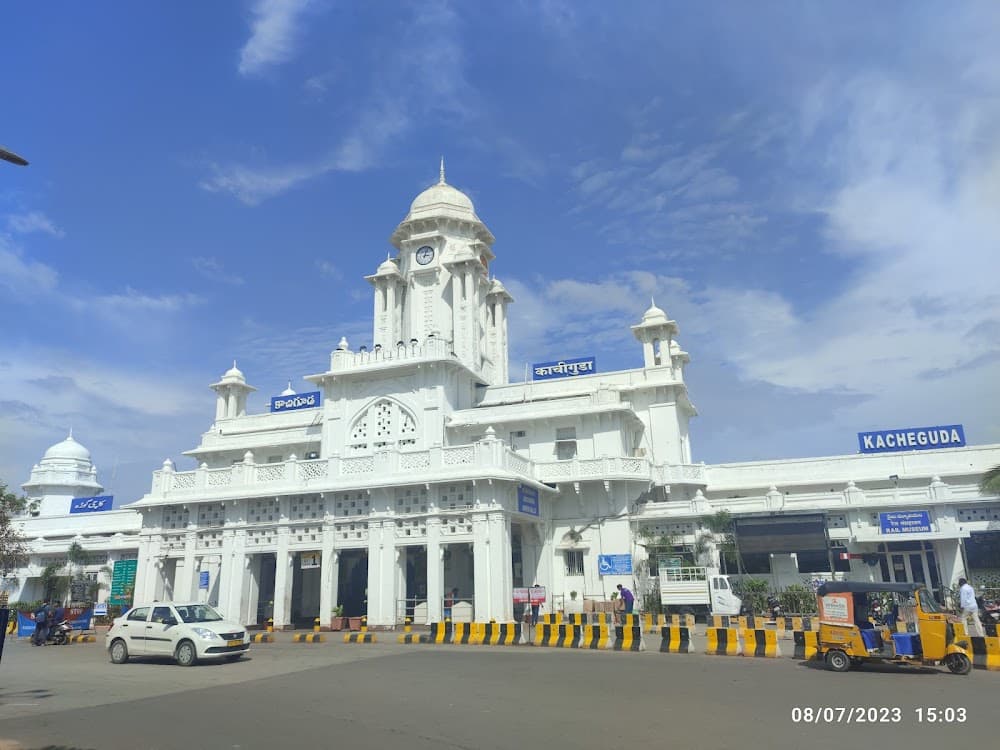
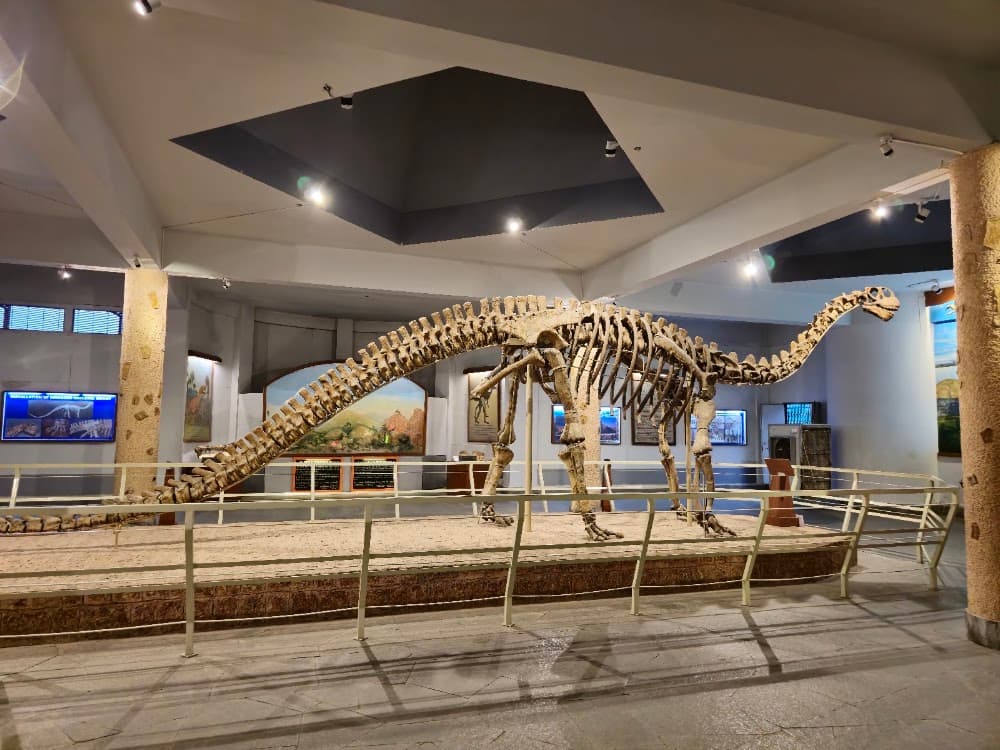
Hyderabad is known for
Why Hyderabad is famous
- •Founded: 1591 CE, AH 1000, by Sultan Muhammad Quli Qutb Shah, deliberately timed to commemorate the beginning of the second Islamic millennium. Charminar was the first building of the new city.
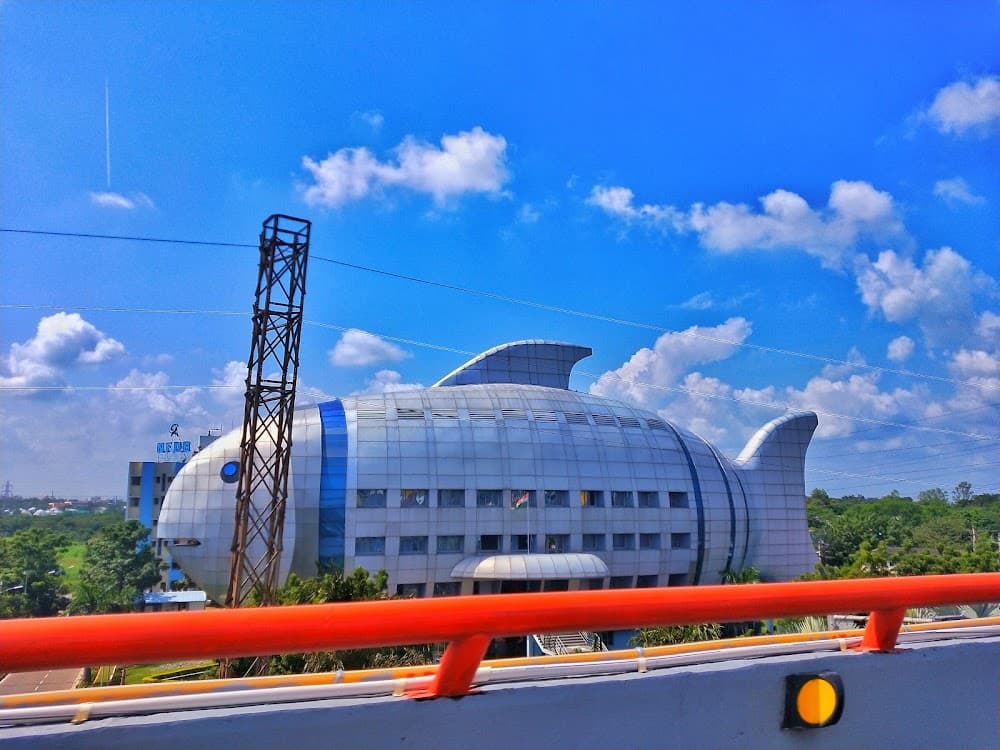
- •Why it matters for the product: Fourteenth destination, and your second-largest at 905 places. Like Delhi, the problem is not thin data - it is that the three monuments the city is known for are absent while a National Fisheries Development Board building is in the famous-places strip.
- •Correcting your own copy: Your page says Hyderabad 'is situated at the confluence of the Musi and Krishna rivers'. It is on the Musi; the Musi joins the Krishna roughly 200 km downstream. There is no confluence here. I flagged this in the cross-city audit and it is still live. It is now five for five across the cities where I checked this section closely - Delhi, Mysore, Kolkata, Panaji and Hyderabad.
- •The city's design idea: UNESCO's own tentative-list text: the Qutb Shahis introduced the Persianate elevated citadel (bala hisar) and fortified lower city (pa'in shahr), with Iranian urban traditions visible in the axial alignment of gates, commercial streets, ceremonial portals and audience halls. The planners drew on Hindu cosmological traditions of the central ritual node, the chaubara, from which a four-quartered capital unfolds - while the Charminar's form came from the Persian chahar taq, the four arches. The synthesis is the point.
- •Tentative list status: 'The Qutb Shahi Monuments of Hyderabad: Golconda Fort, Qutb Shahi Tombs, Charminar' - reference 5573, submitted 10 September 2010 by the Permanent Delegation of India to UNESCO, under criteria (i)(ii)(iii)(iv). Not inscribed; on the tentative list.
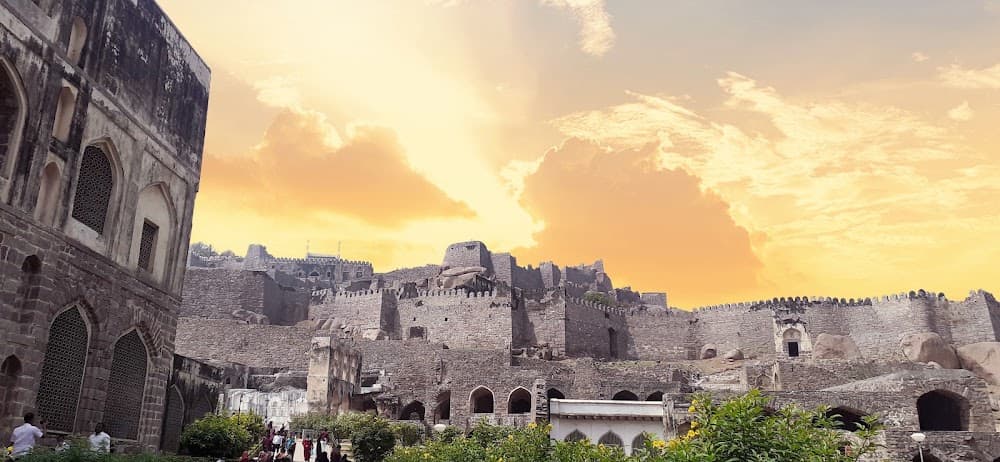
- •The fort: Originally a mud fort called Mankal, built around 1143 under the Kakatiya rulers of Warangal. Local tradition says a shepherd boy found an idol on the hill, hence Golla Konda - shepherd's hill in Telugu. Sultan Quli Qutb-ul-Mulk made it his capital in 1518 and rebuilt it in granite. It remained the Qutb Shahi capital until Hyderabad was founded in 1591.
- •The scale: UNESCO describes stone fortifications traversing over seven kilometres enclosing a medieval Islamic settlement, with military structures, mortuary baths, silos, mosques, gardens, residential quarters, pavilions and royal courts. Tour material gives 11 km of walls with 15 large towers, 51 small towers and 446 openings - store the range rather than one figure.
- •The acoustics: UNESCO calls the acoustical and water systems the most innovative advances in defence technology at Golconda. A hand clap at the Fateh Darwaza is reported to be clearly audible at the royal apartments about 90 m above. It is the one thing every visitor tries.
- •The fall: Aurangzeb besieged it for eight months in 1687 and could not take it by force; accounts say he entered through treachery when an official, Abdullah Khan Panni, left a gate open at night. The Mughals did not raze the citadel, which is why so much survives.
- •The diamonds: For two centuries Golconda was the trading and processing centre of the world's diamond commerce. The Koh-i-Noor came from the Kollur mine and was stored here; the Hope, Nassak, Regent, Darya-i-Noor and Orlov are all linked to the region. Tavernier and others described the fort as holding the finest diamonds in the world.
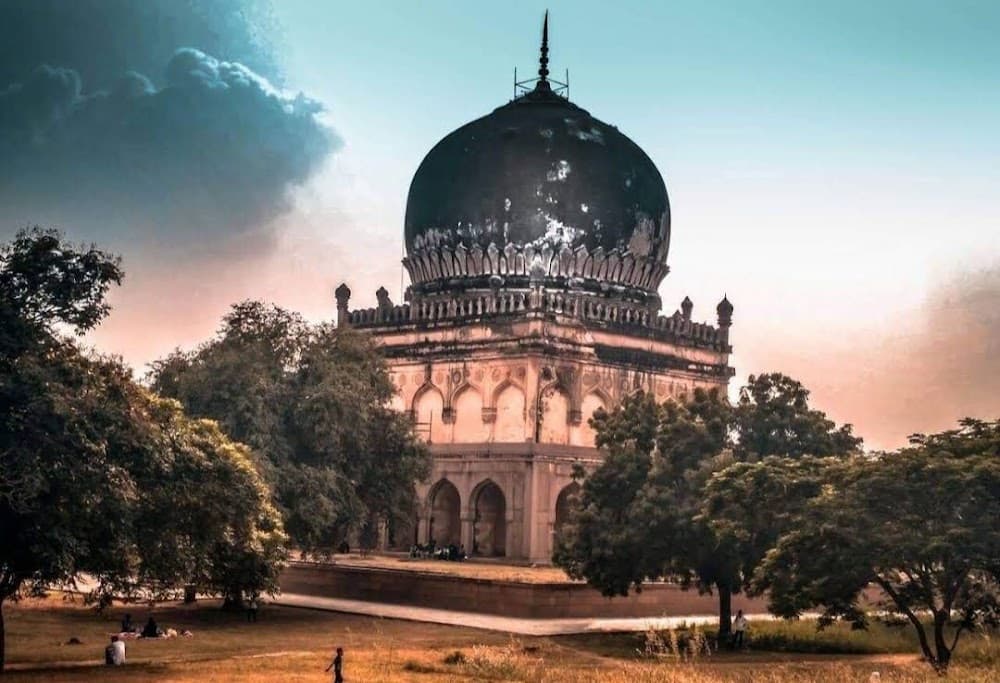
- •The necropolis: Founded 1543 by Sultan Quli Qutb-ul-Mulk; built through the 16th and 17th centuries. A royal necropolis of around thirty mausoleums holding the Qutb Shahi kings and the officials who served them, with a mortuary bath and mosques. About 1 km north of Golconda. Restored 2013-2019 by the Telangana State Archaeology and Museums Department with the Aga Khan Trust for Culture.
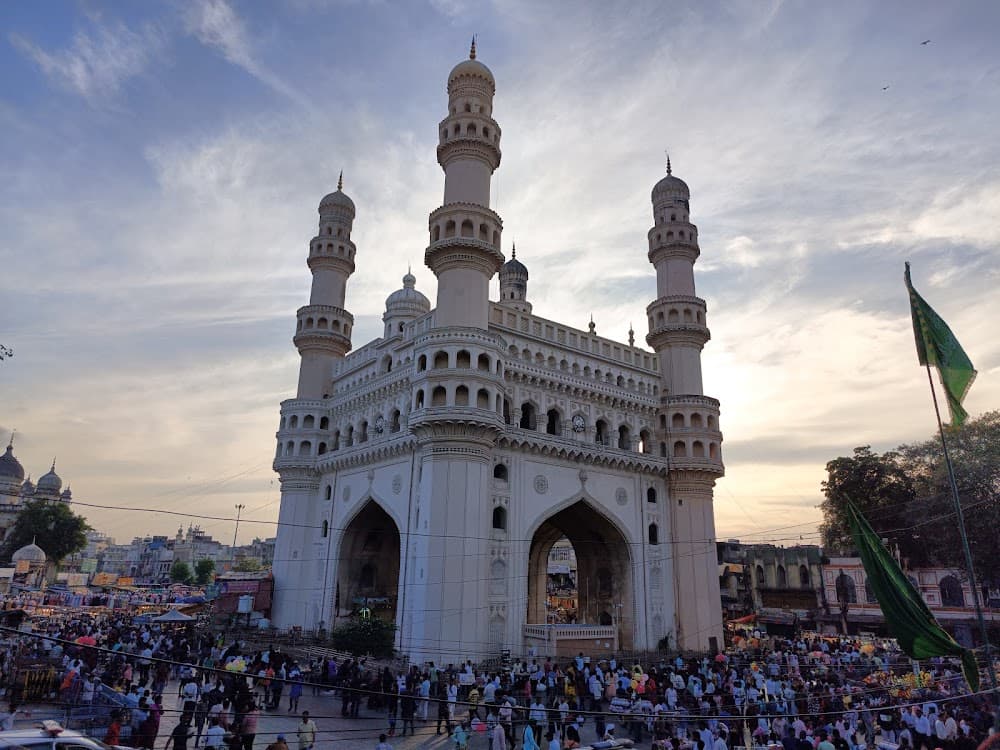
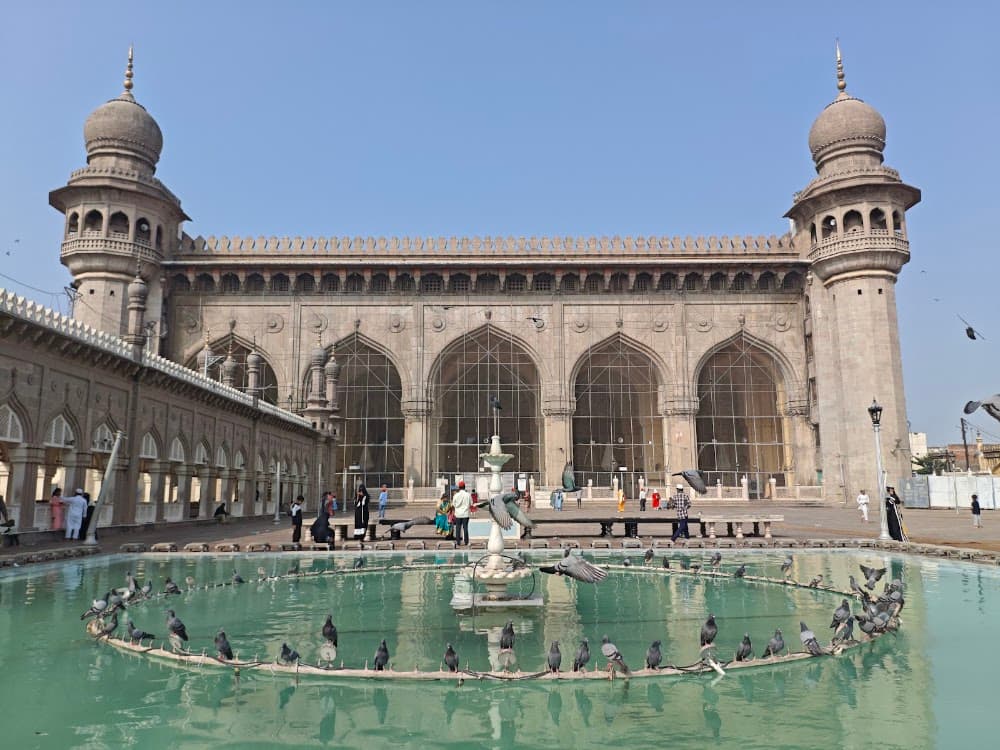
- •What it is: A ceremonial gateway built in 1591, AH 1000, as the first building of the new city, to mark the second Islamic millennium. Four minarets, a mosque on the top floor over 425 years old, a vazu water cistern for ablution, and four gateways called Char Kaman. The clocks on the four cardinal faces were installed in 1889 by the sixth Nizam, Mir Mahbub Ali Khan.
- •Telangana GI products: Counts differ across sources - 15, 16, 17 and '18+' all appear. The registrations that matter for Hyderabad: HYDERABAD HALEEM (2010), reported as the first non-vegetarian GI in India, and HYDERABAD LAC BANGLES (2024), which is Laad Bazaar's craft. Pochampally Ikat (2005) was the state's first GI. Others in the state: Silver Filigree of Karimnagar (2007), Cheriyal Paintings (2008), Nirmal Toys (2009), Pembarthi Metal Craft (2010), Gadwal Sarees (2012), Narayanpet Handloom (2013), Puttapaka Telia Rumal (2015), Adilabad Dokra (2018), Warangal Durries (2018), Tandur Red Gram (2022).
- •Pearls: Your page's single 'known for' entry, and correct as far as it goes - Hyderabad is a long-standing pearl trading and drilling centre. But it is one item where there are at least four with a direct Hyderabad claim.
- •Biryani: Originated in the Nizams' kitchens as a blend of Mughlai and Iranian cooking, in two forms - kacchi gosht ki biryani and dum ki biryani. Paradise, Bawarchi, Shadab, Cafe Bahar and Meridian are the names locals give. One Swiggy report recorded a million biryani orders in the city during a single Ramadan.
- •Haleem: GI-registered 2010. Wheat, barley or lentils and meat pounded to a paste over hours. A Ramzan dish: hundreds of stalls appear across the city for the month and disappear afterwards. Pista House at Shalibanda near Charminar, Shah Ghouse, Cafe 555, Sarvi and Grill 9 are the names most repeated. Barkas near Charminar is where the older recipes are.
- •Irani chai: Introduced by Persian immigrants, drunk with Osmania biscuits - named for Mir Osman Ali Khan, the last Nizam. Nimrah Cafe beside the Charminar is the standard address.
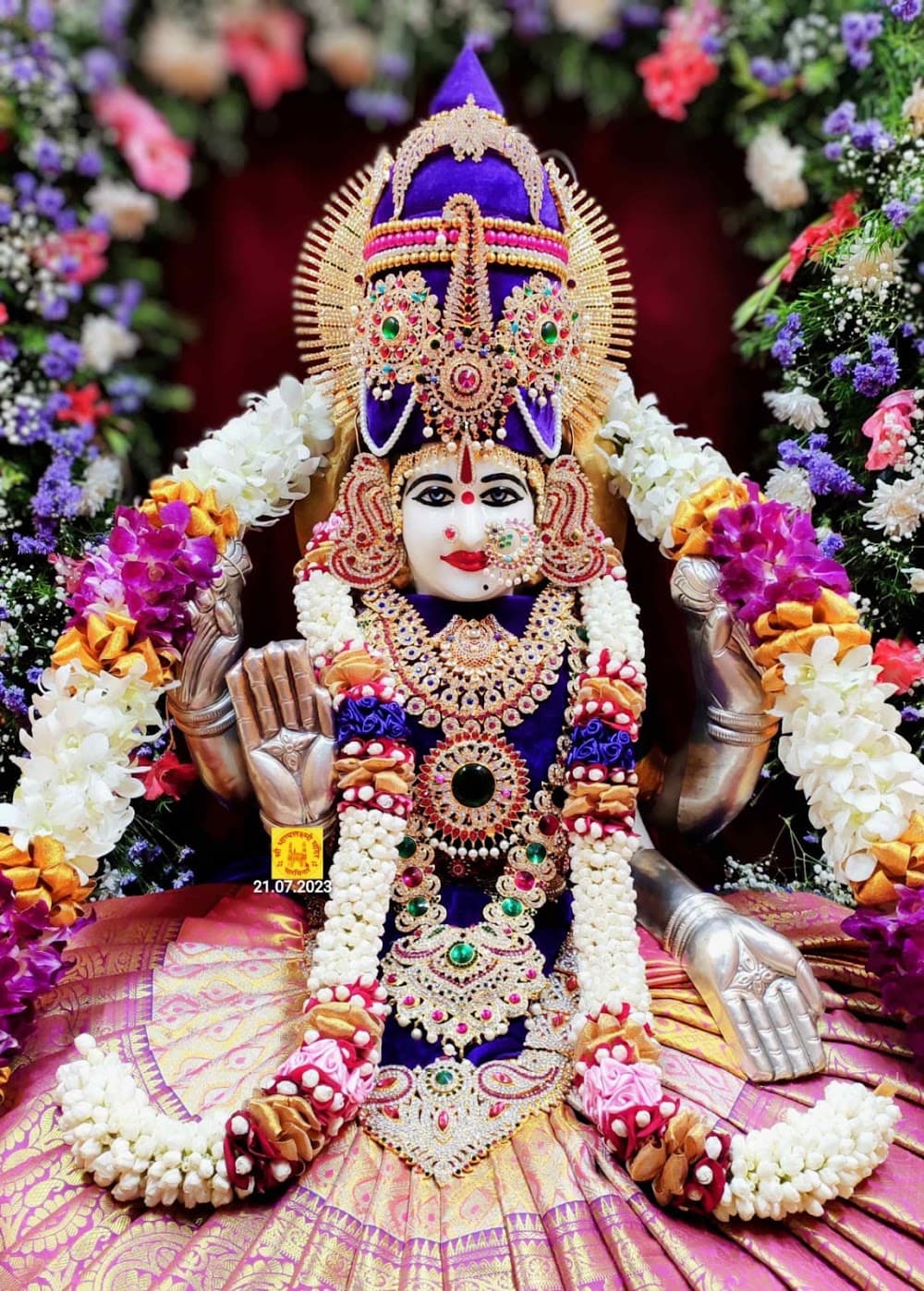
- •Bonalu: Declared a Telangana state festival when the state was formed in 2014. Held through Ashada, July or August. Women carry bonam - rice cooked with milk and jaggery in a new earthen or brass pot, decorated with neem, turmeric and vermilion - to the Mother Goddess. Origins are traced to 1813, when a plague struck the twin cities and a military battalion vowed to install a Mahakali idol if it lifted.
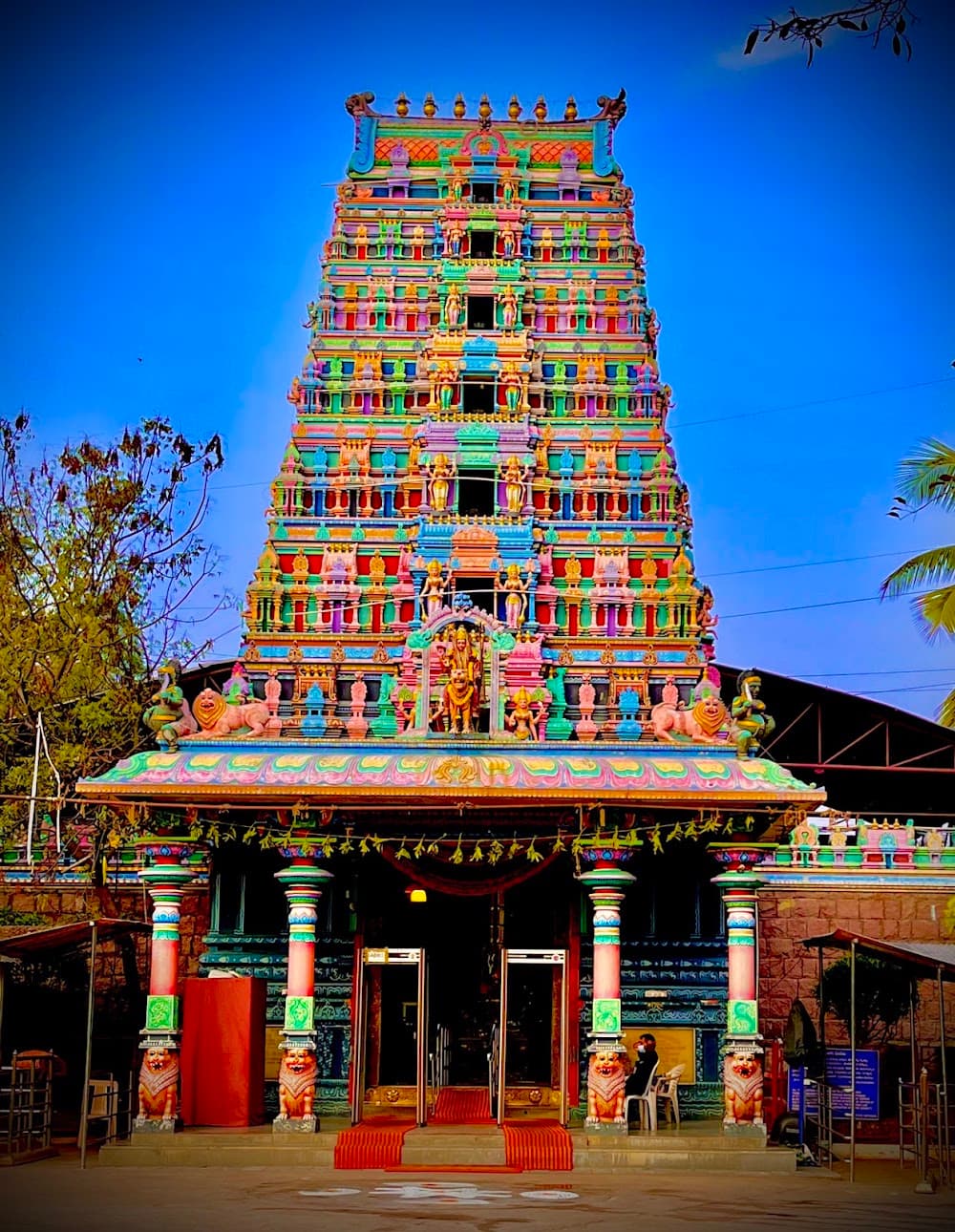
- •The Bonalu sequence: First Sunday of Ashada at GOLCONDA FORT. Second Sunday at Ujjaini Mahakali in Secunderabad and Balkampet Yellamma. Third Sunday at Pochamma and Katta Maisamma, and the Simhavahini Mahankali temple at Lal Darwaza in the Old City. Akkanna Madanna at Haribowli and Muthyalamma at Shah Ali Banda are also major venues.
- •Bathukamma: The other Telangana state festival: a nine-day floral festival celebrated by women around Dussehra, September-October, with seasonal tangedu and gunuka flowers stacked into a conical arrangement. Commonly confused with Bonalu by people outside the state - they are different festivals, months apart, for different deities.
- •Best season: October to February. Ramzan is the single most interesting time to eat here and moves about eleven days earlier each Gregorian year. Bonalu is in July-August and Bathukamma in September-October.
AI-drafted from general knowledge — may contain mistakes.
Hyderabad at a glance
- ⚠️Golconda is a long
- ⚠️steep climb on uneven granite - allow two hours and go early. The Old City around Charminar is dense and best walked. And haleem is genuinely unavailable outside Ramzan
- ⚠️so a food itinerary built around it needs the Hijri date checked first.
History at a glance
- 1543 · QUTB SHAHIThe Qutb Shahi tomb complex is founded by Sultan Quli Qutb-ul-Mulk.
- 1591 / AH 1000 · QUTB SHAHIMuhammad Quli Qutb Shah founds Hyderabad and builds the Charminar as its first building, timed to mark the beginning of the second Islamic millennium.
- 17th century · QUTB SHAHIGolconda is the centre of the world diamond trade. The Koh-i-Noor, from the Kollur mine, is stored here; the Hope, Nassak, Regent, Darya-i-Noor and Orlov are all linked to the region.
- 1671 · QUTB SHAHIThe Toli Masjid at Karvan is built by Mir Musa Khan Mahaldar. Tradition holds he was given one damri for every rupee spent on the Mecca Masjid, hence its nickname Damri Masjid.
- 1687 · MUGHALAurangzeb besieges Golconda for eight months and cannot take it by force. Accounts say he entered by treachery when an official, Abdullah Khan Panni, left a gate open at night. The citadel is not razed.
- 1813 · ASAF JAHIPlague strikes the twin cities. A military battalion vows to install a Mahakali idol if it lifts. It does, and Bonalu begins.
- 1889 · ASAF JAHIThe sixth Nizam, Mir Mahbub Ali Khan, installs clocks on the four cardinal faces of the Charminar.
- 2005-2024 · MODERNTelangana's GI registrations accumulate: Pochampally Ikat 2005, Hyderabad Haleem 2010, Hyderabad Lac Bangles 2024.
- 2013-2019 · MODERNThe Qutb Shahi Tombs are restored by the Telangana State Archaeology and Museums Department with the Aga Khan Trust for Culture.
- 2014 · MODERNTelangana is formed. Bonalu and Bathukamma are declared state festivals.
- c. 1143 · KAKATIYAA mud fort called Mankal is built on a granite hill under the Kakatiya rulers of Warangal. Tradition says a shepherd boy found an idol on the hill, giving Golla Konda - shepherd's hill.
- 1518 · QUTB SHAHISultan Quli Qutb-ul-Mulk founds the Qutb Shahi dynasty, makes Golconda his capital and rebuilds the mud fort in granite.
Best time to visit
Hyderabad's climate is generally hot and dry during the summer months, with temperatures soaring during the peak summer season. The city experiences a mild winter, with pleasant temperatures, and a distinct monsoon season that brings heavy rainfall from July to September.
- Bonalu · anchored to Ashada Masam, by Sunday[STATE FESTIVAL] Women carry bonam - rice cooked with milk and jaggery in a new earthen or brass pot decorated with neem, turmeric and vermilion - to the Mother Goddess in her many forms: Mahakali, Yellamma, Pochamma, Mysamma and others. Pothuraju, the goddess's brother, is represented by a bare-bodied man in a red dhoti with ankle bells. Rangam and Ghatam processions follow.
- Bathukamma · anchored to Nine days around Dussehra[STATE FESTIVAL] Women stack seasonal tangedu and gunuka flowers into a conical arrangement, sing around it, and immerse it in water. Boddemma precedes it and opens the season.
- Ramzan and the haleem season · anchored to Month of Ramadan[SEASONAL] Hundreds of haleem stalls appear for the month. Sehri and iftar service at Shah Ghouse, Pista House, Cafe 555 and Sarvi. Nimrah makes a braided saffron bread. One Swiggy report recorded 400,000 haleem orders and a million biryanis in the city in a single Ramadan.
- Ganesh Chaturthi · anchored to Bhadrapada Shukla ChaturthiHyderabad's is among the largest in India, with the Khairatabad idol and a mass immersion in Hussain Sagar.
- Muharram · anchored to Muharram 1-10, Hijri[OBSERVANCE] Hyderabad has a significant Shia community and a long Muharram tradition centred on its ashurkhanas, including Badshahi Ashurkhana.
- Ugadi · anchored to Chaitra Shukla PratipadaThe Telugu new year.
- In 12 daysGandhi Jayanti · 2 October
- In 29 daysDurga Ashtami / Maha Navami · 19 October
- In 30 daysDussehra (Vijayadashami) · 20 October
- In 39 daysKarwa Chauth · 29 October
Real dates, not AI-drafted — sourced from the Hindu Panchang, same for every destination.
Weather details and any festival without a stated lunar anchor above are AI-drafted from general knowledge, not independently verified — timing is approximate; double-check before planning around one.
Part of these sacred circuits
Near me
Share your location to see famous places closest to you right now.
Famous places in Hyderabad
Sacred & Spiritual
See all 543 →Heritage & Monuments
See all 160 →Nature & Outdoors
See all 36 →Shops & Restaurants
See all 105 →Places to Stay
Civic & Services
Getting there & around
- Air — Rajiv Gandhi International Airport. The Hyderabad Metro covers most of the modern city. NOTE: your page lists cycle-rickshaws as a common mode of transport here and does not mention the Metro at all.
What travellers actually paid
Reported by real travellers, not looked up — a real range with a count, never a single guessed number.
Loading…