
Story
AI-drafted from public sources — may contain mistakes, especially specific dates, names, or claims. Only "Good to know" above is field-checked.
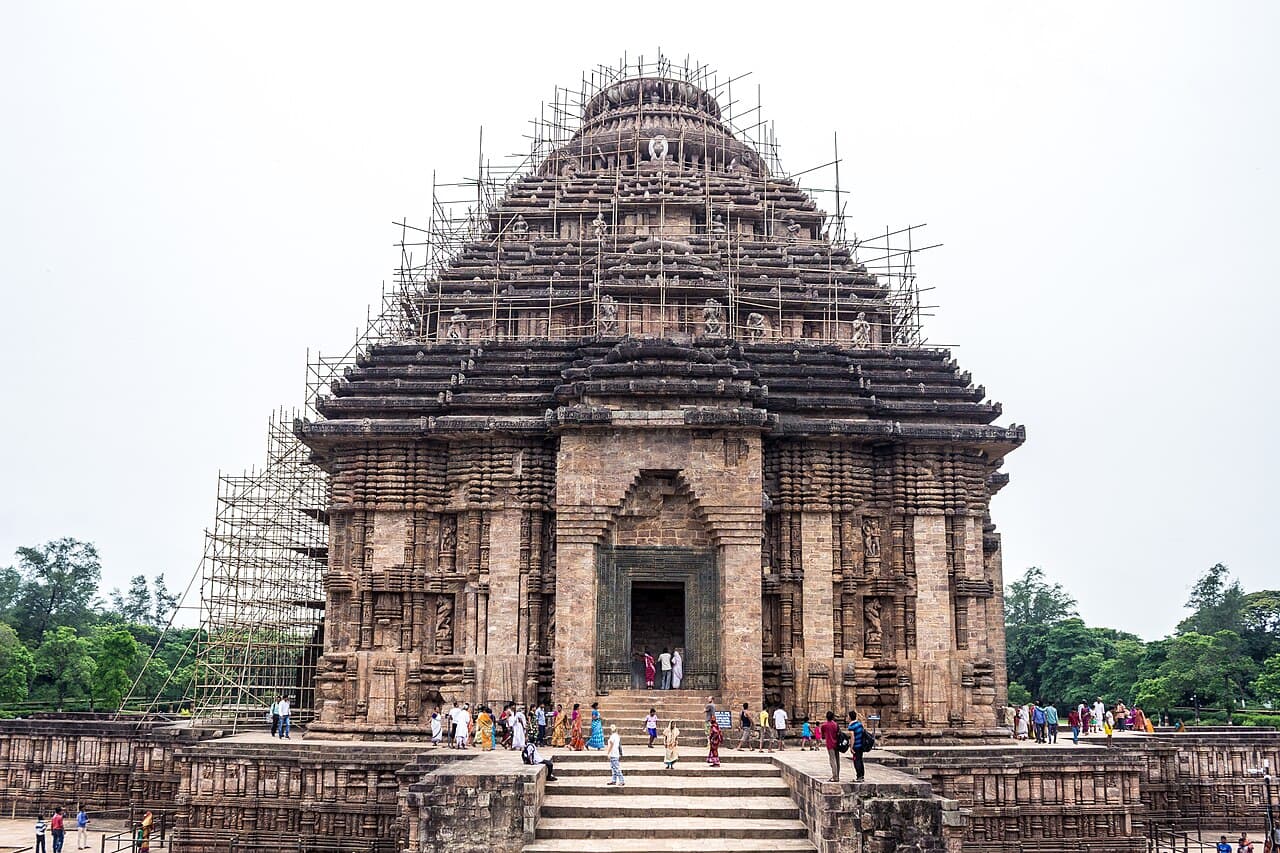
The Konark Sun Temple, an iconic archaeological site in Konark, is a testament to the region's rich cultural heritage. The temple's imposing structure is built in a style typical of Kalinga architecture, characterized by intricate carvings and ornate decorations. The temple's walls are adorned with vibrant sculptures depicting scenes from Hindu mythology, while the entrance is flanked by two giant lions, their eyes gleaming with a fierce intensity. The temple's layout is designed to evoke the cosmic dance of the sun and the moon, with the main shrine surrounded by a series of concentric walls. The temple's scale is imposing, with towering spires and intricate carvings that seem to dance across the surface.
Commissioned around 1250 by Narasimhadeva I of the Eastern Ganga dynasty, which had built the Jagannath Temple at Puri in the preceding century. In use for roughly three centuries. Abul Fazl recorded its effect in the 16th century. The deul fell at a disputed date, for disputed reasons. Inscribed by UNESCO in 1984 in its present state.
Tradition holds Samba, son of Krishna, was cured of leprosy by worshipping Surya on this coast. The Dharmapada legend attributes the completion of the crowning stone to the twelve-year-old son of the master architect Bisu Maharana, who then died to spare 1,200 craftsmen - and whose death is said to have made the site unfit for consecration.
A temple conceived as the colossal stone chariot of Surya, on twenty-four carved wheels drawn by stone horses, on the shore of the Bay of Bengal. UNESCO calls it the culmination of Kalingan temple architecture. The main deul, reported at about 229 feet, has collapsed; the surviving jagamohana is reported at about 128 feet and its interior has been sealed with sand since 1903.
As you approach the Konark Sun Temple, the intricate carvings and majestic architecture will leave you in awe. The best time to visit is during the morning or late afternoon when the golden light of the sun casts a warm glow on the temple's intricate details. Dress comfortably and wear comfortable shoes as you'll be walking on uneven terrain. It's recommended to bring a hat, sunglasses, and sunscreen to protect yourself from the sun. The temple is typically reached by road, and parking is available near the entrance. Before your visit, please confirm the current timings and fees with the app, as these may be subject to change.