
Story
AI-drafted from public sources — may contain mistakes, especially specific dates, names, or claims. Only "Good to know" above is field-checked.
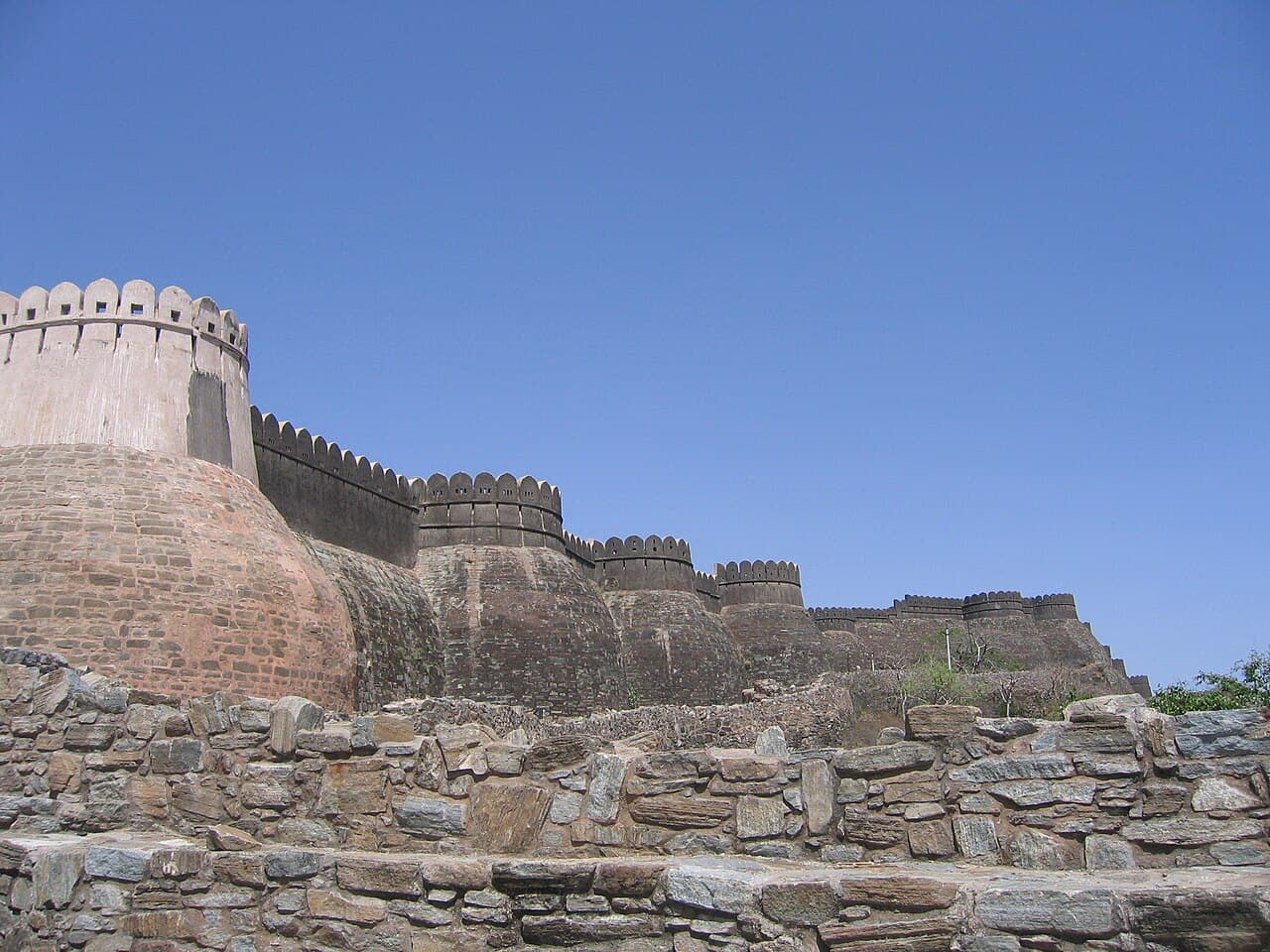
The Kumbhalgarh Fort's rugged grandeur is a testament to the ingenuity of its architects, who built it in a style typical of Rajasthan's medieval fortresses. The fort's imposing walls, stretching 36 kilometers in length, are a marvel of engineering, with a width that allows for a commanding view of the surrounding Aravali Ranges. The structure's imposing scale is matched only by its intricate ornamentation, which adorns the walls with a rich tapestry of carvings and frescoes.
Local tradition holds that the Kumbhalgarh Fort has long been a sanctuary for the rulers of Mewar, a refuge in times of strife and turmoil. According to legend, it was here that King Udai of Mewar sought shelter as a child, fleeing the brutal assassination of his father Vikramaditya and the usurpation of the throne by Banbir. The fort's imposing walls and labyrinthine passageways are said to have protected the royal family from harm, allowing them to regroup and reclaim their rightful place.
Standing atop the rugged hills of Rajasthan, the Kumbhalgarh Fort presents a majestic spectacle, its imposing walls stretching 36 kilometers across the Aravali Ranges. This 15th-century citadel, built by Rana Kumbha, has witnessed the rise and fall of empires, serving as a refuge for the rulers of Mewar and a testament to their resilience. As you explore the fort's labyrinthine passages, you'll discover a treasure trove of temples, palaces, and monuments, each with its own unique charm. The Neelkanth Mahadev Temple, Badal Mahal, and Kumbha Palace offer breathtaking panoramic views, inviting you to linger and take in the beauty of this ancient stronghold.
As you approach the Kumbhalgarh Fort, the rugged Aravali Ranges provide a dramatic backdrop for this majestic marvel of Rajasthan. The best time to visit is early morning or late afternoon, when the golden light of the setting sun casts a warm glow over the fort's imposing walls. Wear comfortable shoes and dress in layers, as the temperature can fluctuate significantly throughout the day. It's a good idea to bring water and snacks, as the fort's scenic views and historical significance can be a powerful distraction from the demands of the day. As you explore the fort, take your time to absorb the intricate carvings, frescoes, and architectural details that tell the story of Mewar's resilience. Be sure to check locally for the best times to visit and any specific rules or restrictions that may be in place.