
Story
AI-drafted from public sources — may contain mistakes, especially specific dates, names, or claims. Only "Good to know" above is field-checked.
Built over the natural rock cave where the goddess is held to have meditated. She is the protector deity of the valley.
Hidimba was a rakshasi of these forests; Bhima killed her brother Hidimb, married her, and their son was Ghatotkacha. After Bhima left she meditated here and attained divinity. Local guides say the architect's right hand was cut off so no rival could be built - historians treat this as folklore.
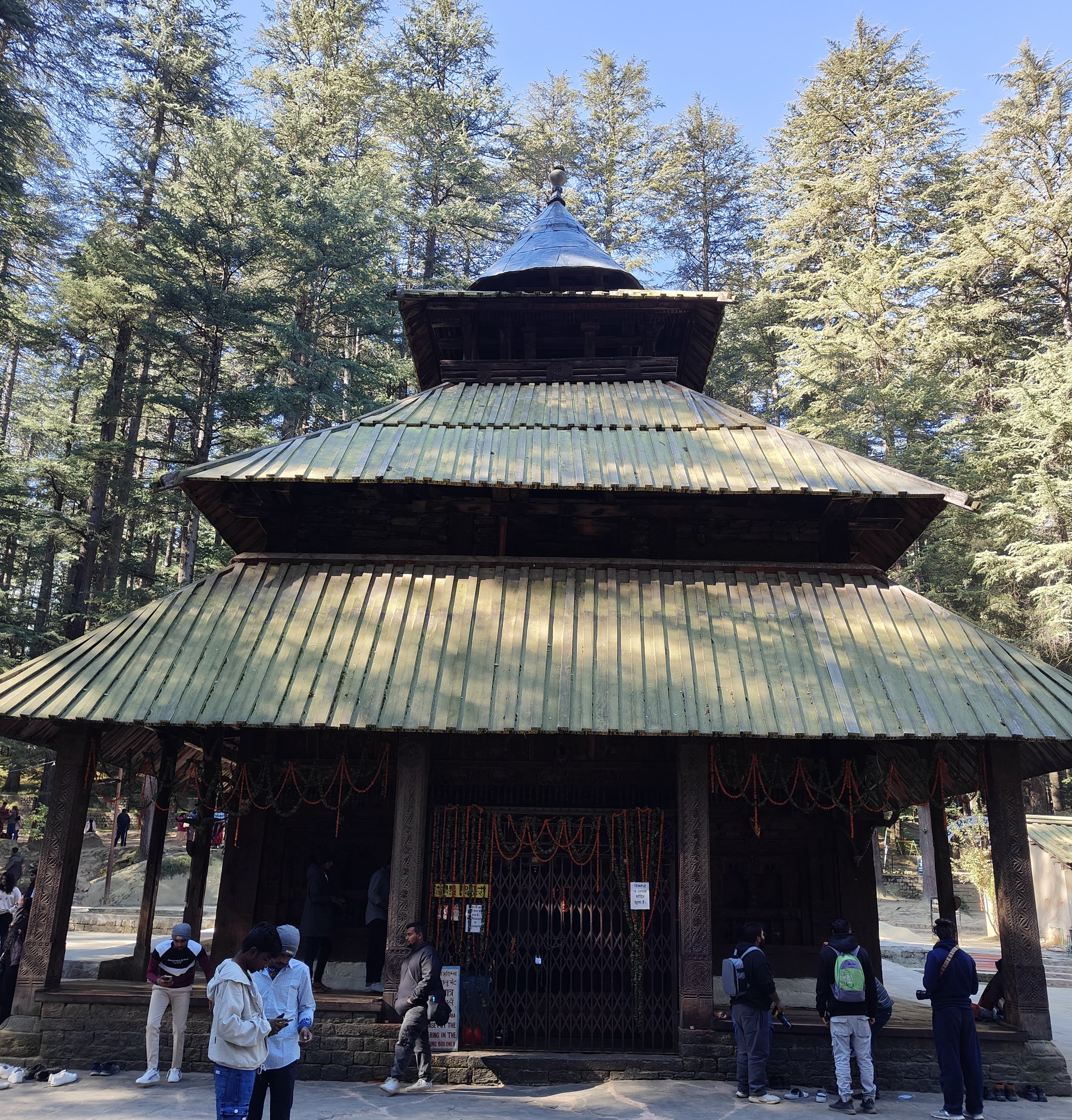
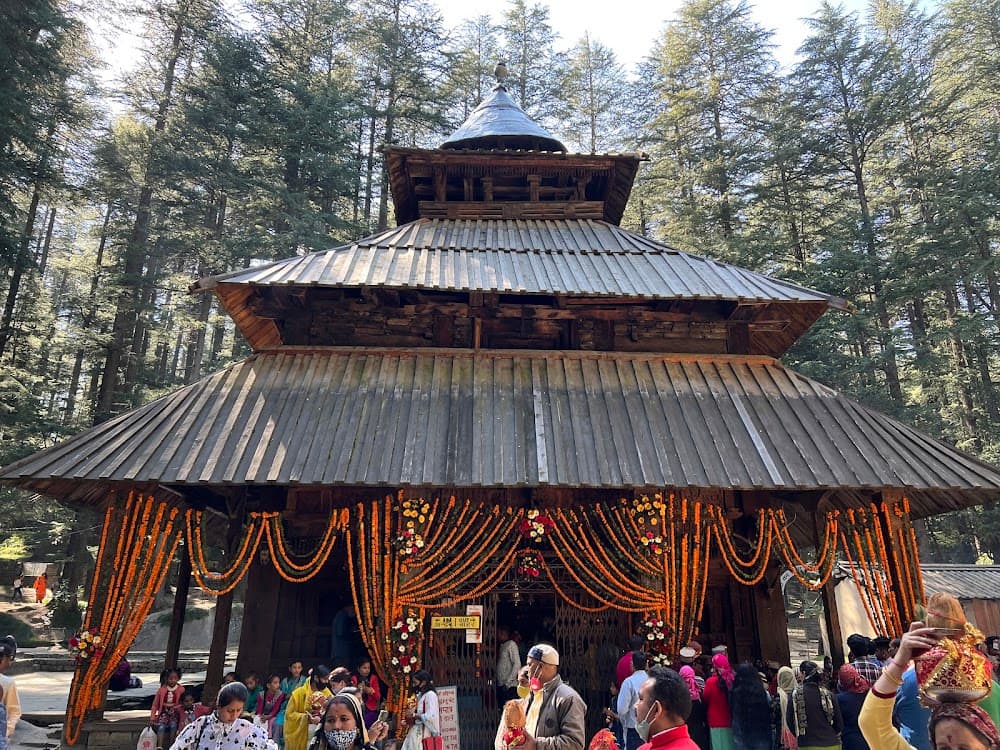
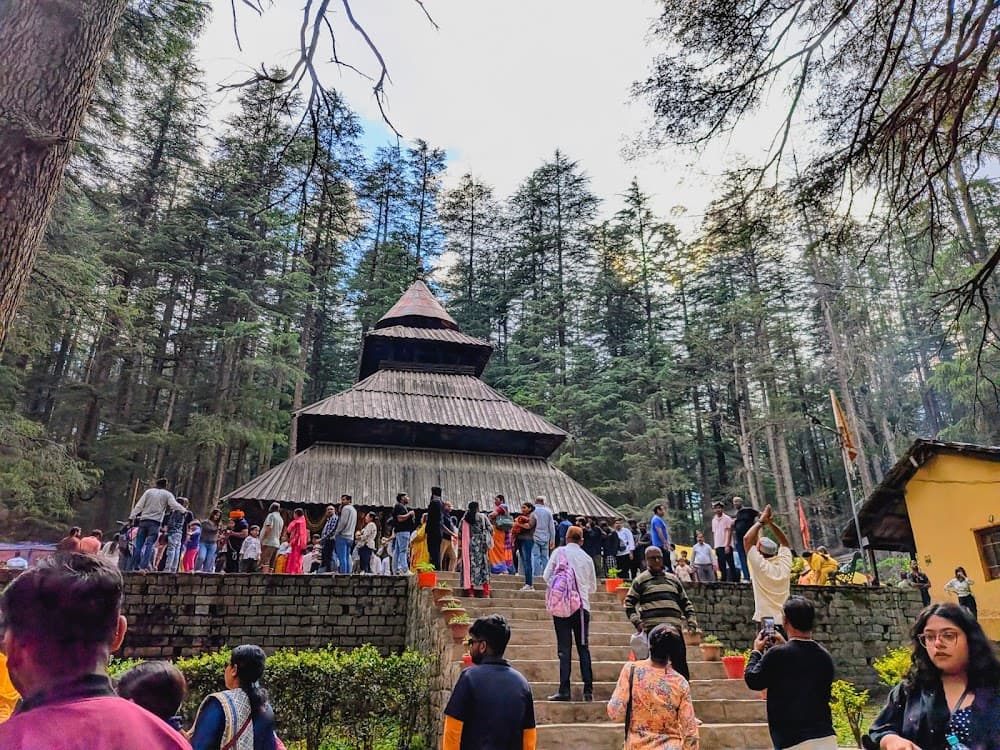
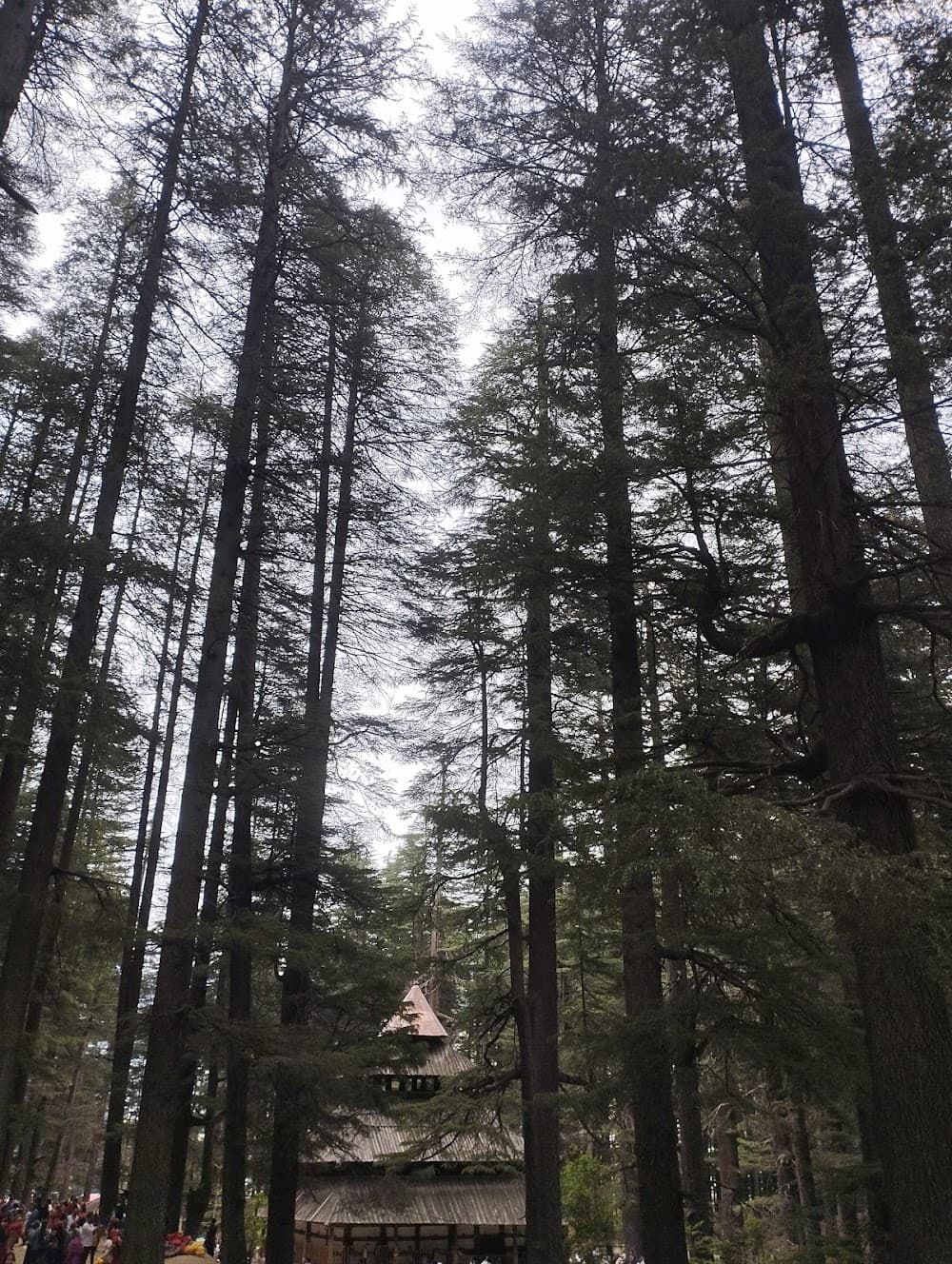
A four-tiered pagoda of deodar timber on a stone base, about 24 m high, built in kath-kuni construction in the Dhungri cedar forest. Capped with a brass cone. The carved wooden doorway is the most photographed detail.
As you approach the Hadimba Devi Temple, the ancient charm of this sacred site envelops you. Typically, the temple is best visited during the morning or late afternoon when the sun casts a warm glow on the intricately carved wooden doors. Wear comfortable shoes and layers for the unpredictable mountain weather. The temple is situated amidst a lush forest, and the scenic trek to the site is an experience in itself. Reach the temple by following the signs from the main road, and be prepared to be awestruck by the majestic architecture and serene atmosphere. Before your visit, confirm the current timings and any applicable fees through the app to ensure a smooth and enjoyable experience.
The Hadimba Devi Temple, a sacred site in Manali, is a place of reverence for devotees and a testament to the region's rich cultural heritage. Visitors typically come to pay homage to the goddess Hadimba, who is said to possess the power to grant wishes. Commonly, worship involves the lighting of incense sticks, the offering of flowers and prayers, and the seeking of blessings. As the sun sets, the temple's tranquil atmosphere is further enhanced by the soft chanting of mantras and the gentle rustling of leaves.