
Story
AI-drafted from public sources — may contain mistakes, especially specific dates, names, or claims. Only "Good to know" above is field-checked.
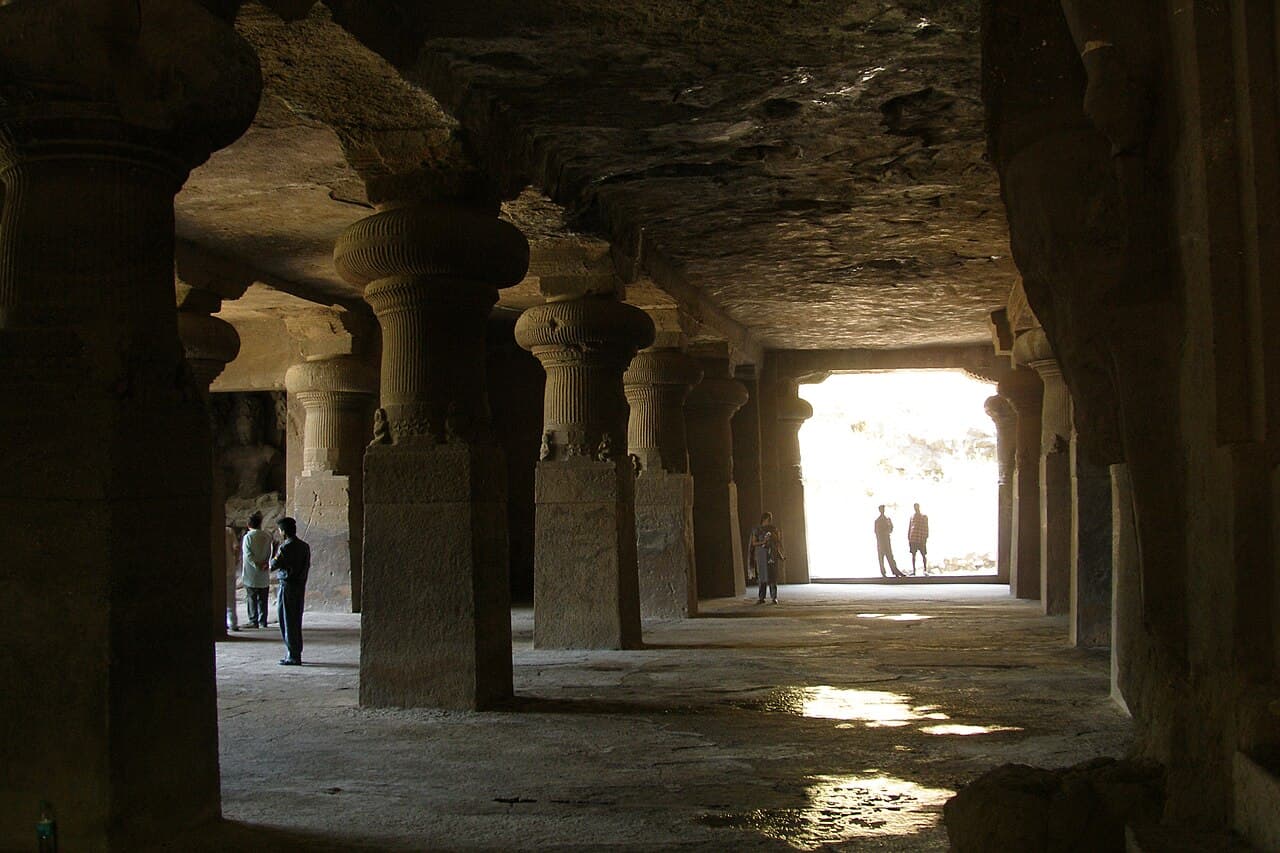
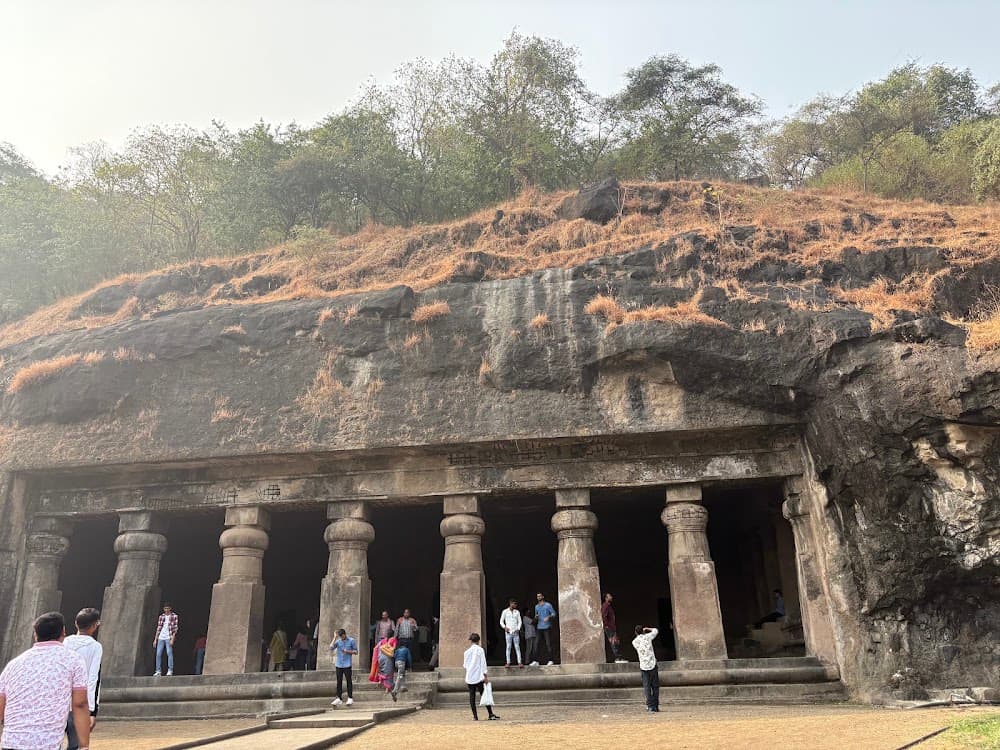
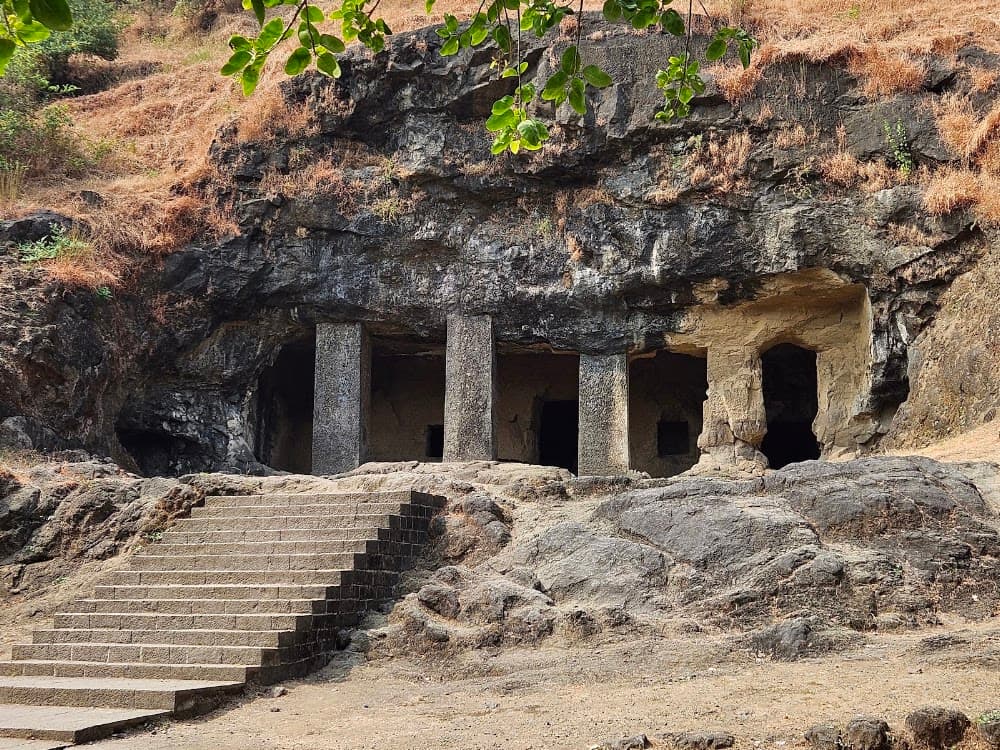
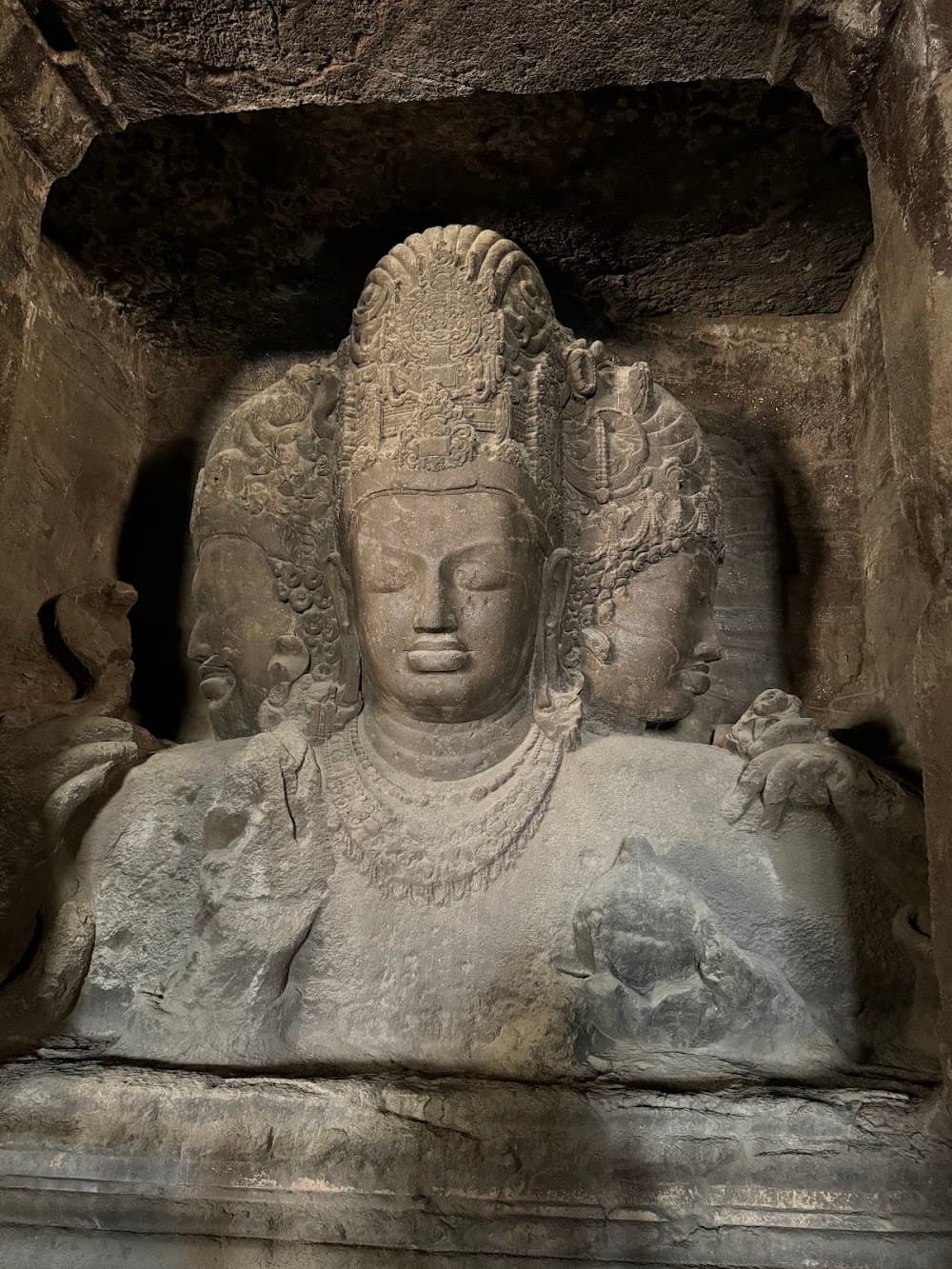
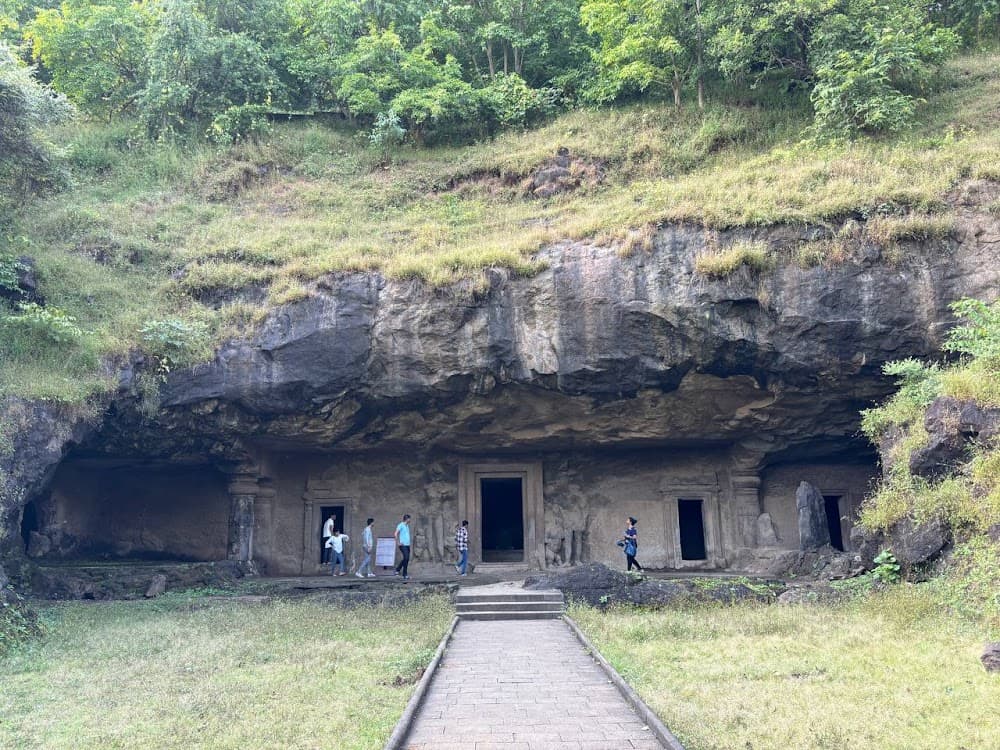
The Elephanta Caves, a testament to the artistic and architectural prowess of ancient India, are a collection of cave temples carved into the solid basalt rock of Elephanta Island. The intricate rock-cut sculptures, mostly in high relief, showcase a syncretism of Hindu-Buddhist ideas and iconography, characteristic of the region's artistic style. The main temple, with its mandala pattern of orientation and relative location of other temples, is a striking example of the structural and ornamental features typical of such ruins. The use of basalt rock, a common material in Indian architecture, adds to the caves' rugged beauty, while the high-relief sculptures, though damaged in some cases, still evoke the grandeur of a bygone era.
Tradition holds that the Elephanta Caves, a sacred complex on Elephanta Island, are a testament to the devotion of the people who worshipped Shiva here. Local belief says that the intricate rock-cut sculptures, in high relief, depict the god's various forms and mythological exploits. The syncretism of Hindu-Buddhist ideas and iconography is said to reflect the cultural exchange and spiritual synthesis that once flourished on this island. The mandala pattern formed by the temples' orientation and relative location is believed to hold sacred significance, a manifestation of the divine order that underlies the universe.
Rock-cut caves of the 5th-7th centuries on Gharapuri island in the Arabian Sea, with images of Shiva and, one source says, a few Buddhist mounds.
As you approach the Elephanta Caves, the island's rugged terrain and the sound of the Arabian Sea's waves create a sense of anticipation. The best time to visit is early morning or late afternoon when the sun's gentle rays highlight the intricate carvings and sculptures within the caves. Wear comfortable shoes and clothing suitable for the tropical climate, and bring a hat and sunscreen for protection. To reach the caves, take a ferry from the Gateway of India or the Apollo Bunder jetty; confirm the schedule and fares with the ferry operators or at the entrance to the caves, as these may change. Once on the island, follow the signs and gentle incline to the main temple, where you can immerse yourself in the serene atmosphere and marvel at the ancient rock-cut sculptures.