
Story
AI-drafted from public sources — may contain mistakes, especially specific dates, names, or claims. Only "Good to know" above is field-checked.
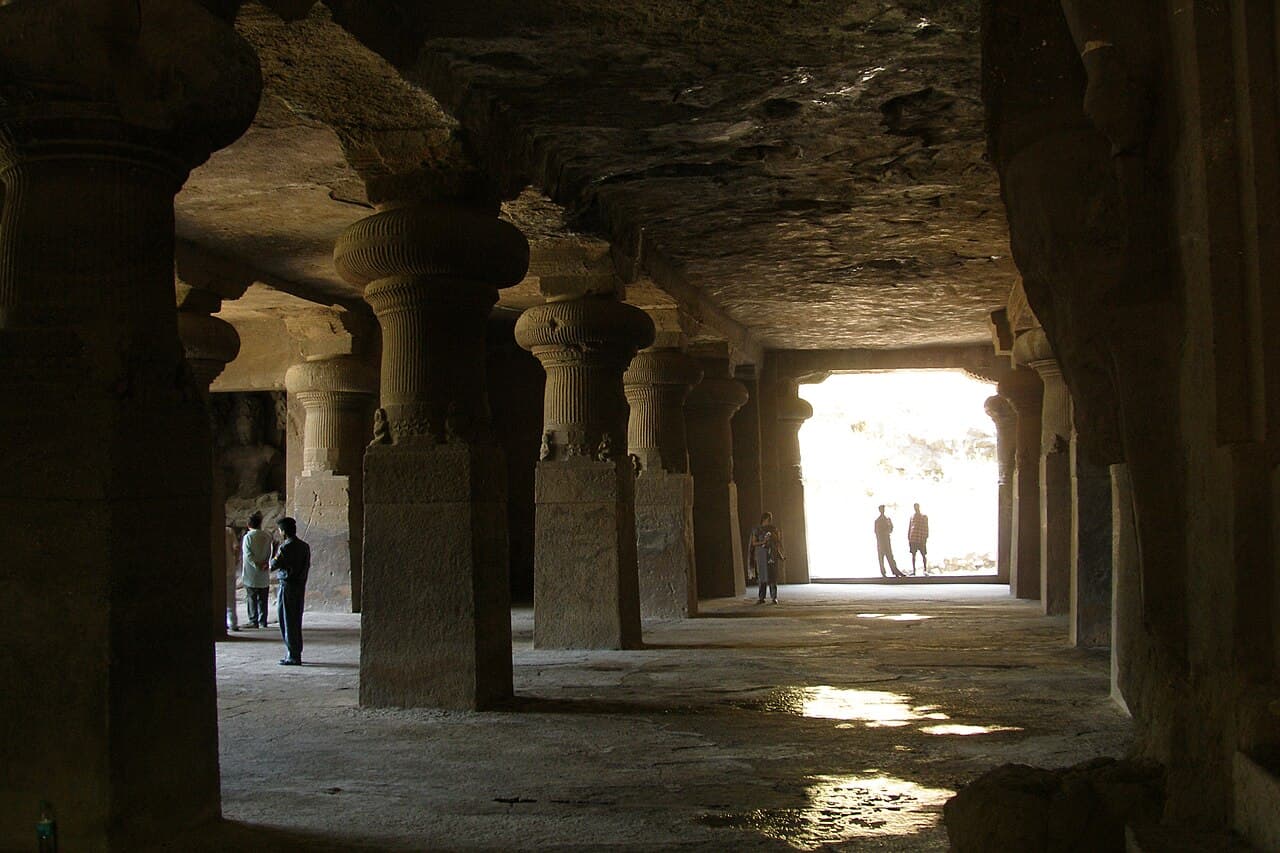
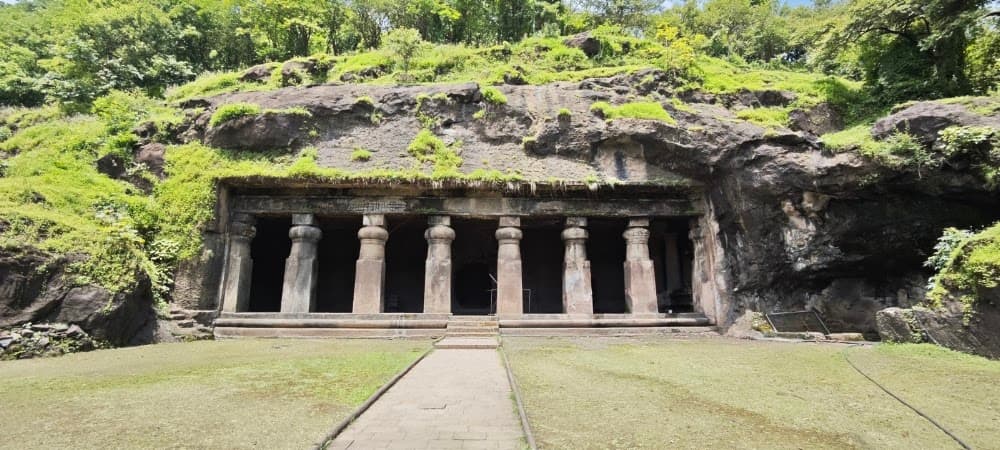
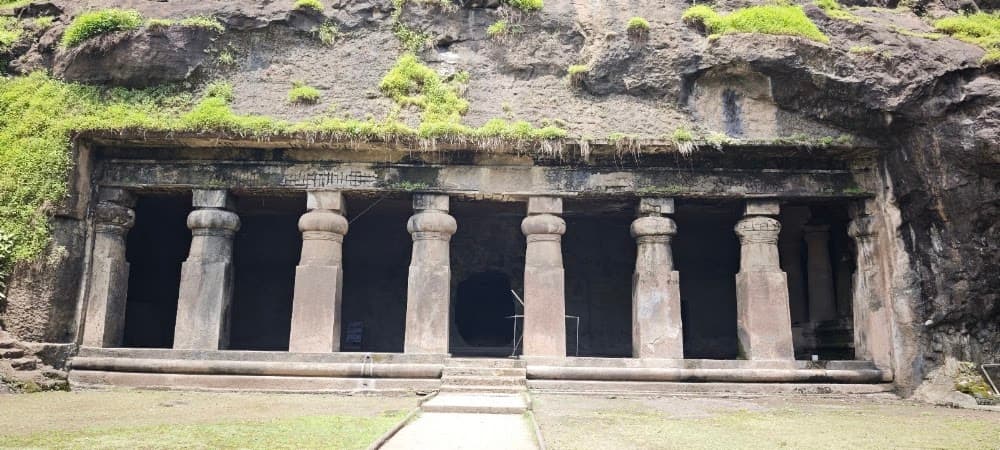
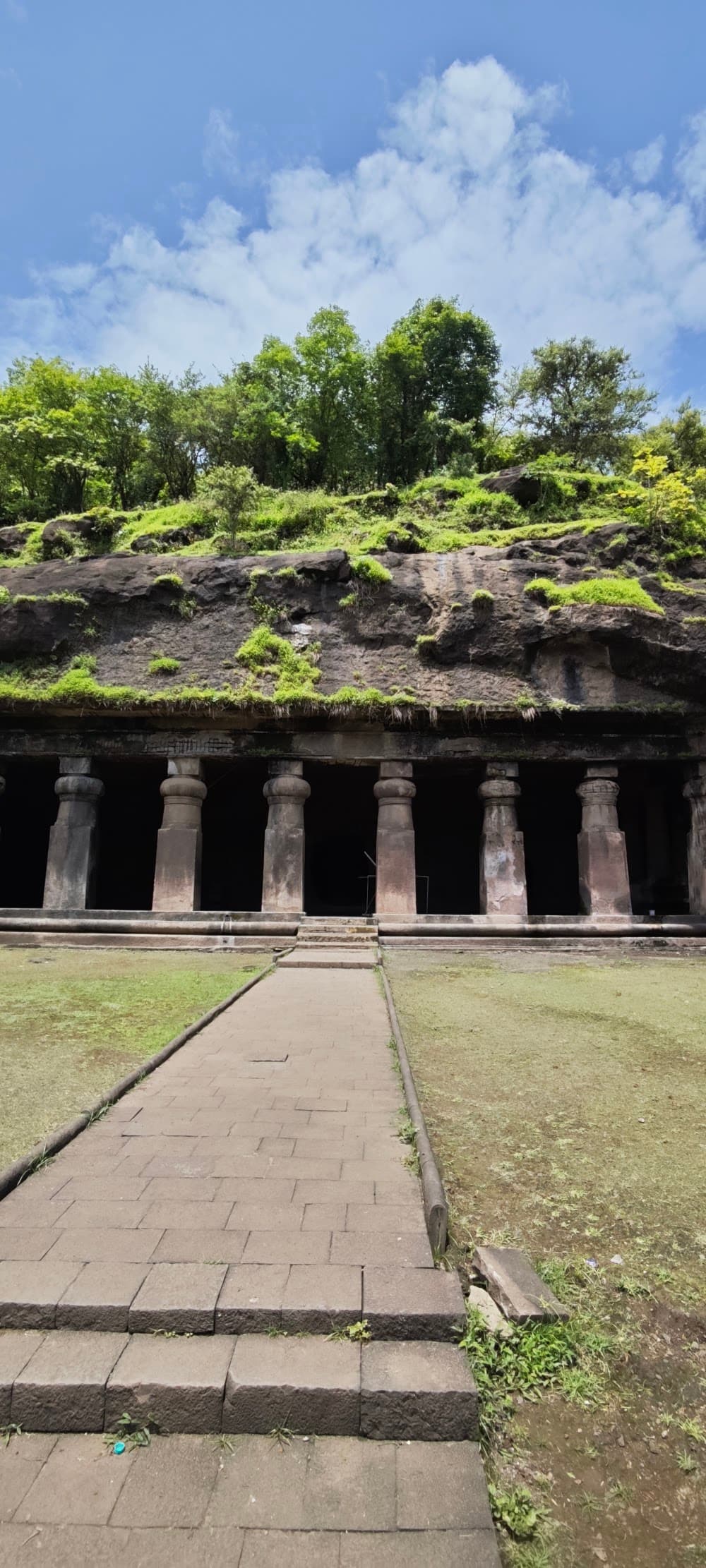
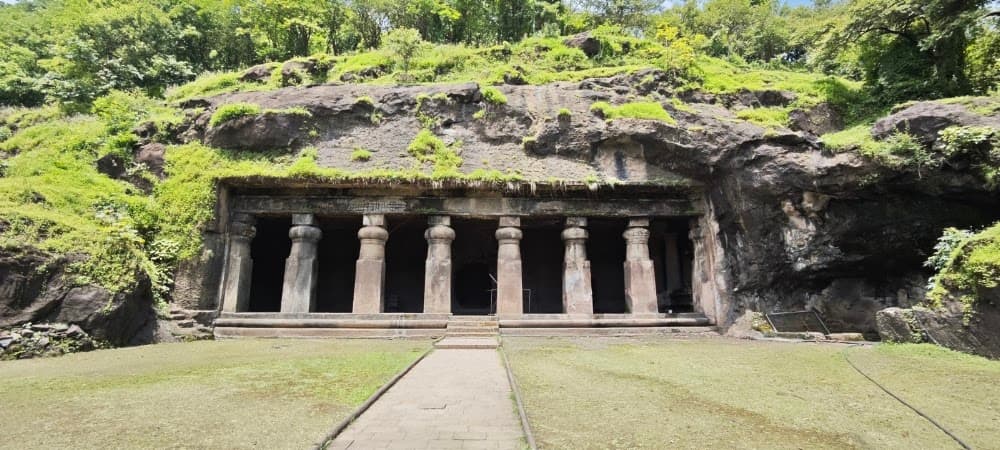
Cave 3, a ruin nestled in the heart of Mumbai, presents a striking example of ancient Indian architecture. The cave's structure is characterized by a simple yet elegant design, with a rectangular layout and a low, vaulted ceiling. The walls, made of rough-hewn basalt, are adorned with intricate carvings and sculptures, showcasing the region's rich cultural heritage. The entrance, flanked by two ornate pillars, is marked by a distinctive archway, typical of the ancient Indian style. The cave's scale is modest, with a length of approximately 15 meters, but its historical significance is undeniable.
In the heart of Mumbai, Cave 3 stands as a testament to the region's rich spiritual heritage. Tradition holds that this ancient ruin was once a sacred site, where devotees would gather to pay homage to the revered deity, Shiva. Local belief says that the intricate carvings and sculptures that adorn the cave's walls and ceilings are a manifestation of the divine power that once dwelled here. According to legend, the cave was a favorite haunt of the great sage, Agastya, who is said to have meditated within its walls, seeking spiritual enlightenment. Today, pilgrims still flock to Cave 3, seeking solace and blessings from the divine.
As you wander through the lush greenery of the Sanjay Gandhi National Park, the ancient Cave 3 beckons, its intricate carvings and mysterious aura drawing you in. This 2,400-year-old Buddhist rock-cut temple, a testament to the region's rich cultural heritage, is a must-visit for anyone fascinated by the history and architecture of ancient India. The cave's unique blend of Buddhist and Hindu influences is reflected in its ornate sculptures, which adorn the walls and ceilings, while the tranquil surroundings and lush foliage create a sense of serenity.
As you venture into the heart of Mumbai, Cave 3 awaits, a tranquil oasis amidst the city's bustle. To fully appreciate the intricate rock formations and serene atmosphere, consider visiting early in the morning or late in the evening when the crowds are smaller. Dress comfortably, with sturdy shoes and light clothing, as you'll be exploring the cave's winding paths. Reach the site by taking a local bus or taxi, and be prepared for a short, scenic walk to the entrance. As you step inside, take a moment to let the natural beauty of the cave envelop you.