
Story
AI-drafted from public sources — may contain mistakes, especially specific dates, names, or claims. Only "Good to know" above is field-checked.
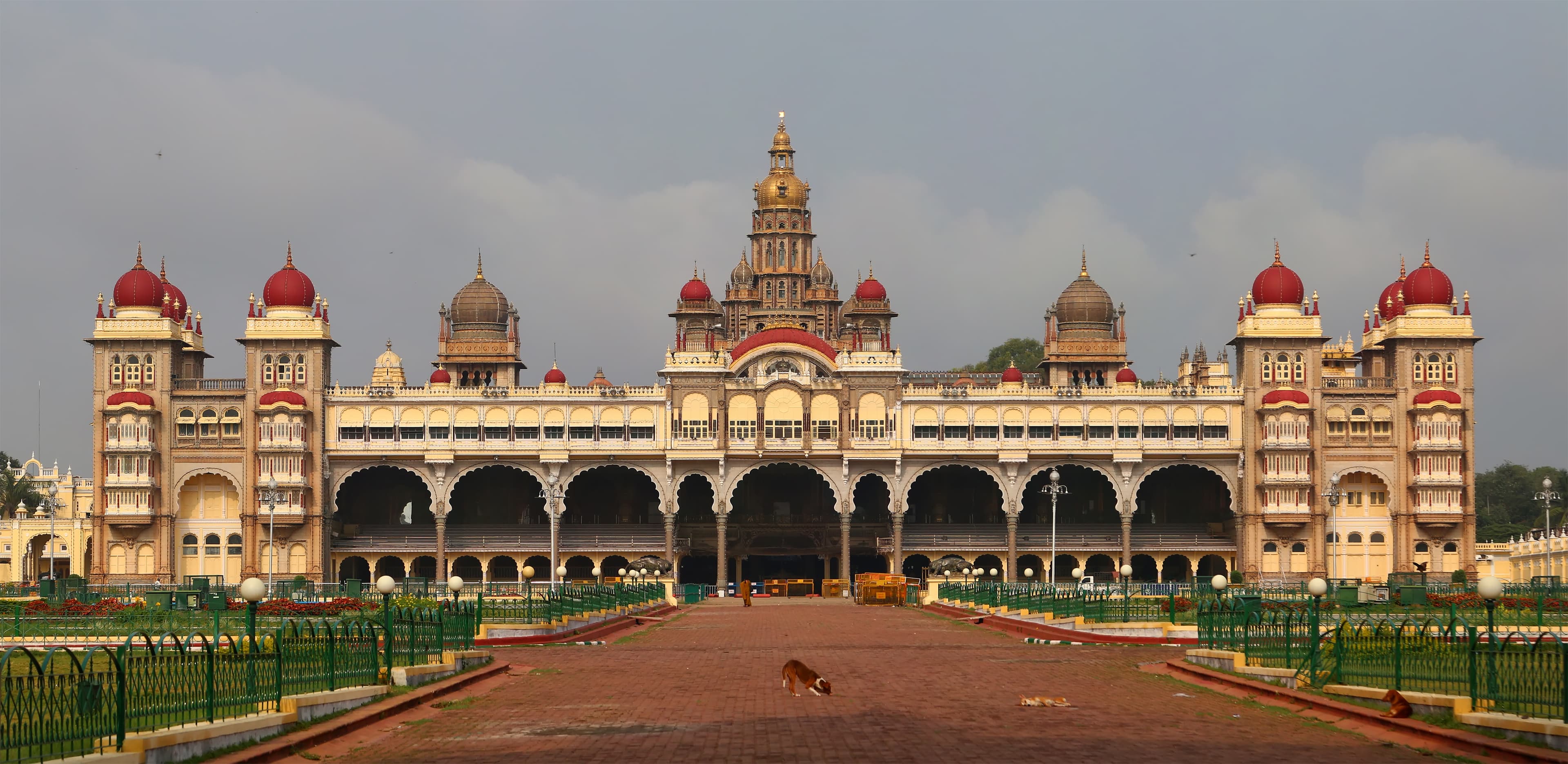
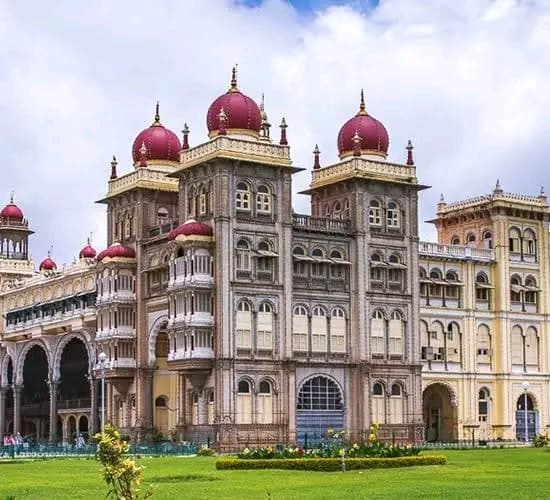
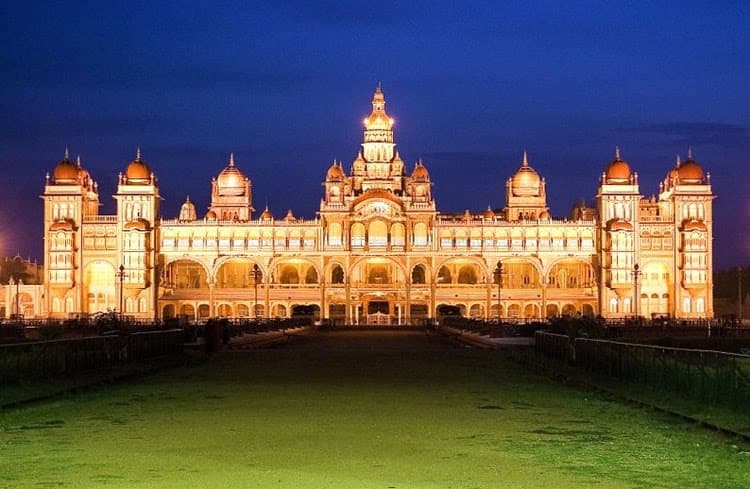
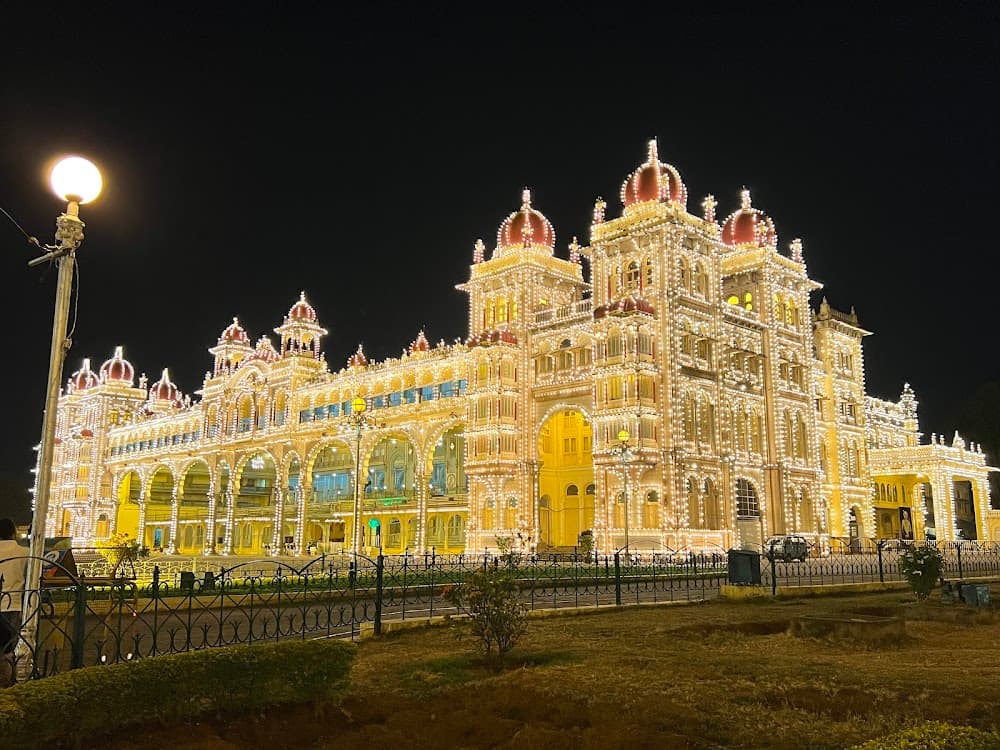
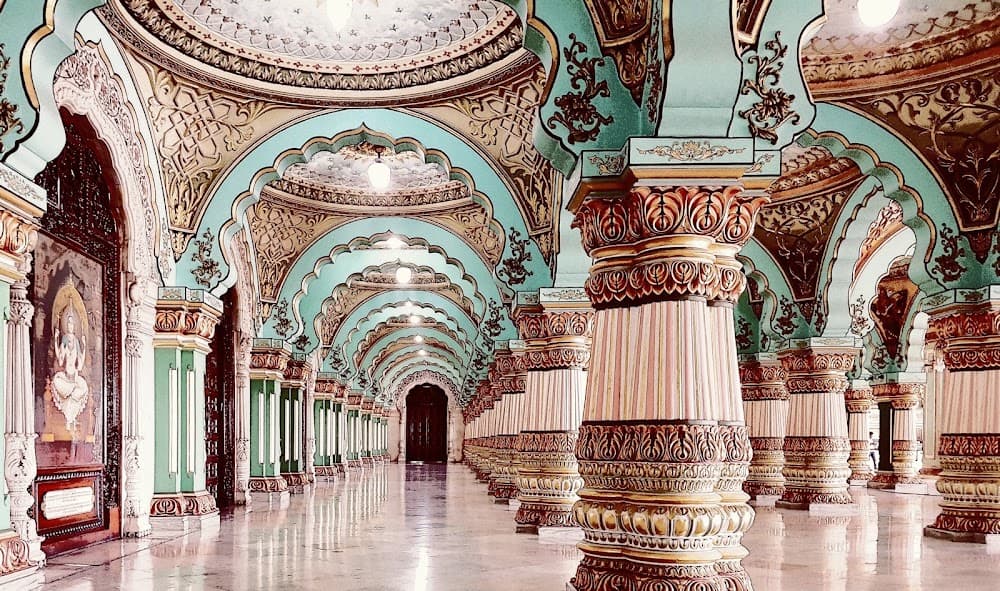
Mysore Palace, a majestic fort in the heart of Mysore, is a testament to the region's rich architectural heritage. The palace's imposing structure is built in a style typical of Karnataka's royal residences, with intricate carvings and ornate decorations adorning its walls. The fort's imposing façade is a blend of traditional and modern elements, with a mix of Indian and European architectural influences. The palace's scale is imposing, with sprawling courtyards and grand halls that echo the grandeur of the region's royal past. The walls are adorned with ornate carvings, intricate inlays, and ornate frescoes, showcasing the region's mastery of craftsmanship.
The site has carried a palace since the 14th century. It was struck by lightning in 1638, ransacked in 1793 under Tipu Sultan, rebuilt in 1803, and burned down in 1897 during the wedding of Princess Jayalakshammani. Irwin, who had already designed the Madras High Court, produced the present building at a cost of about Rs 41.5 lakh. Jayachamarajendra Wadiyar expanded it again in 1940.
Mysore Palace, a majestic fort in the heart of Mysore, is steeped in tradition and local belief. According to legend, the palace is said to be the abode of the goddess Chamundi, revered by the people of Mysore for centuries. Tradition holds that the palace was built by the Wodeyar dynasty, a royal family believed to have been chosen by the goddess herself to rule over the city. Local belief says that the palace is a sacred space, where devotees come to pay homage to the goddess and seek her blessings. The intricate carvings, ornate architecture, and vibrant murals that adorn the palace walls are said to be a manifestation of the goddess's divine presence.
A three-storey Indo-Saracenic palace of grey granite with pink marble domes, blending Hindu, Islamic, Rajput and Gothic elements. Seat of the Wadiyar maharajas, and widely reported as India's second-most-visited monument after the Taj Mahal, with around six million visitors a year. It holds the Durbar Hall, the Kalyana Mantapa, an armoury of over 700 weapons and the golden howdah.
As you approach the majestic Mysore Palace, the vibrant colors and intricate carvings will leave you in awe. To make the most of your visit, consider arriving early in the morning or late in the afternoon when the sun casts a warm glow on the palace's facade. Dress comfortably and be prepared for a walk, as the palace complex is quite extensive. You can reach the palace via public transportation or hire a taxi, and parking is available nearby. Be sure to check the current timings and entry fees in your app or at the palace gates before planning your visit.