
Story
AI-drafted from public sources — may contain mistakes, especially specific dates, names, or claims. Only "Good to know" above is field-checked.
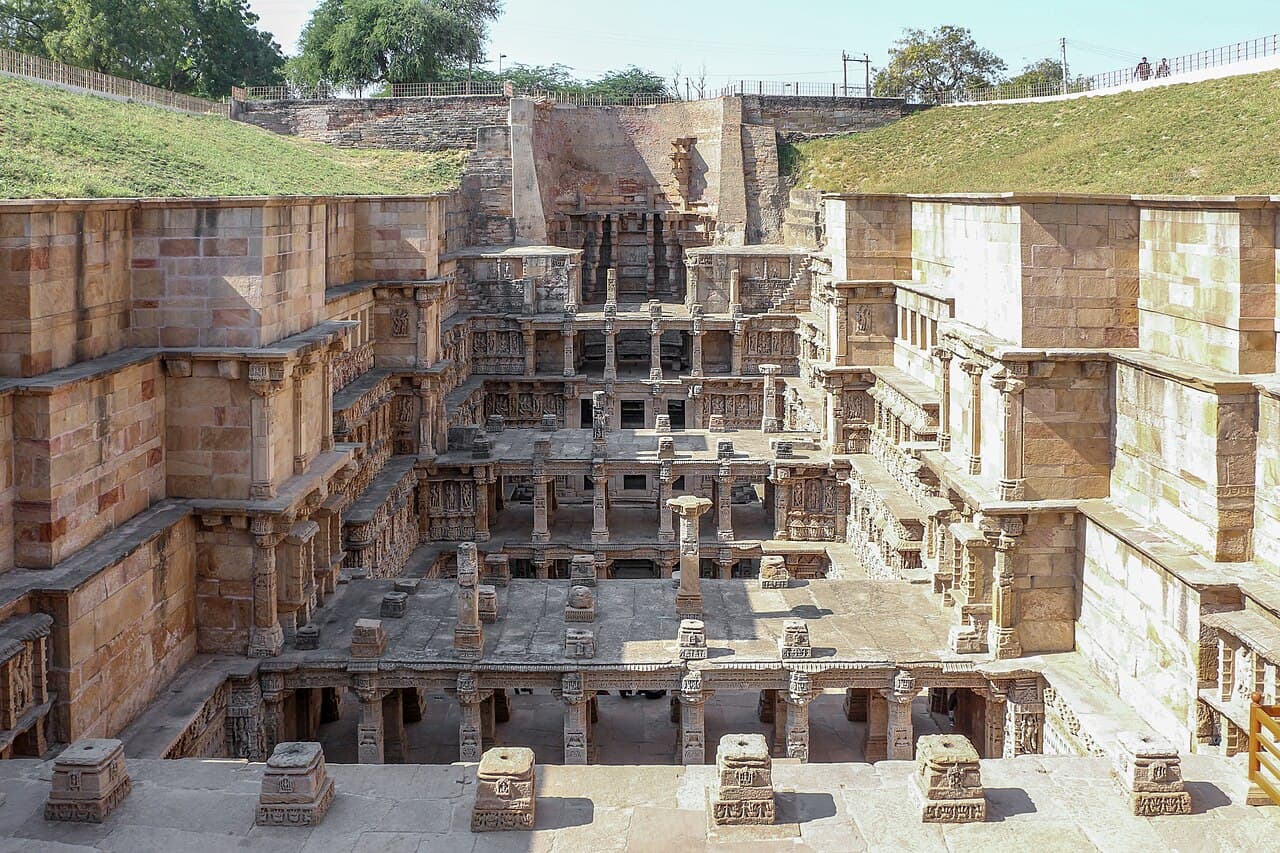
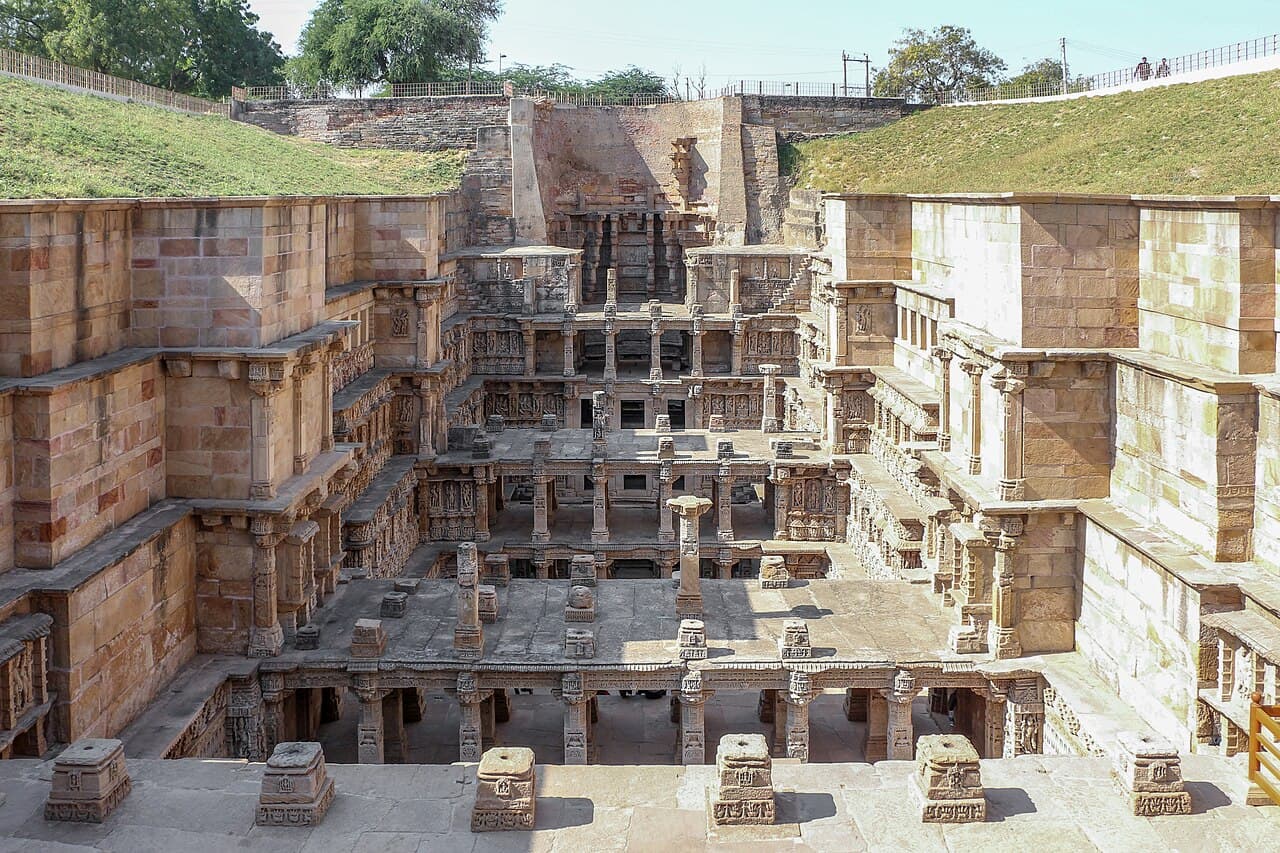
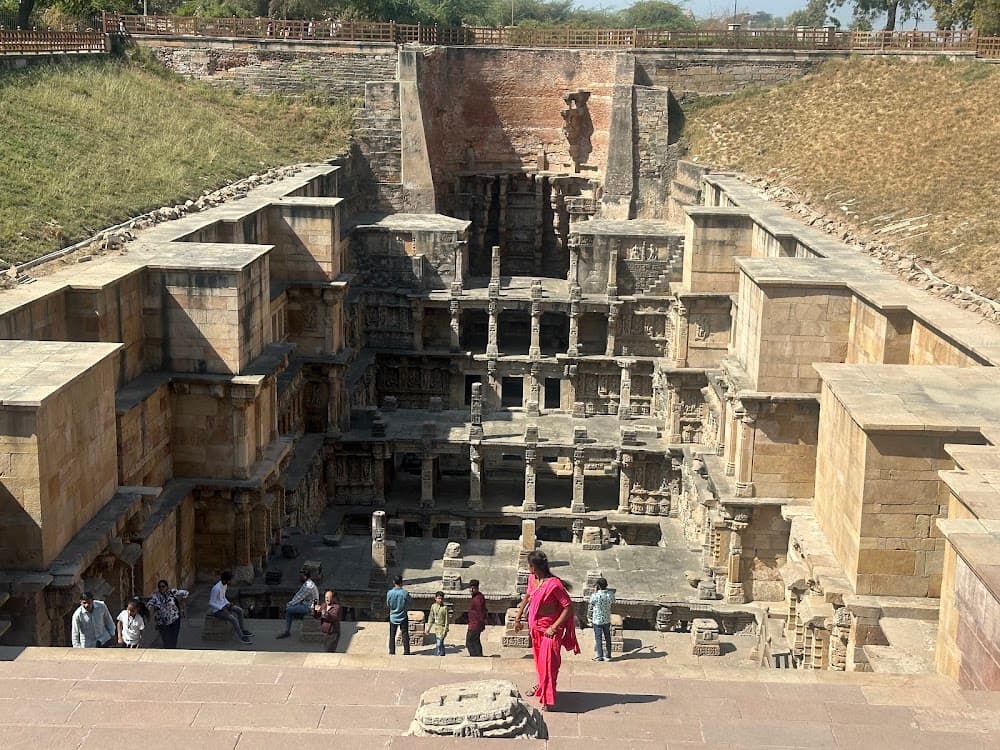
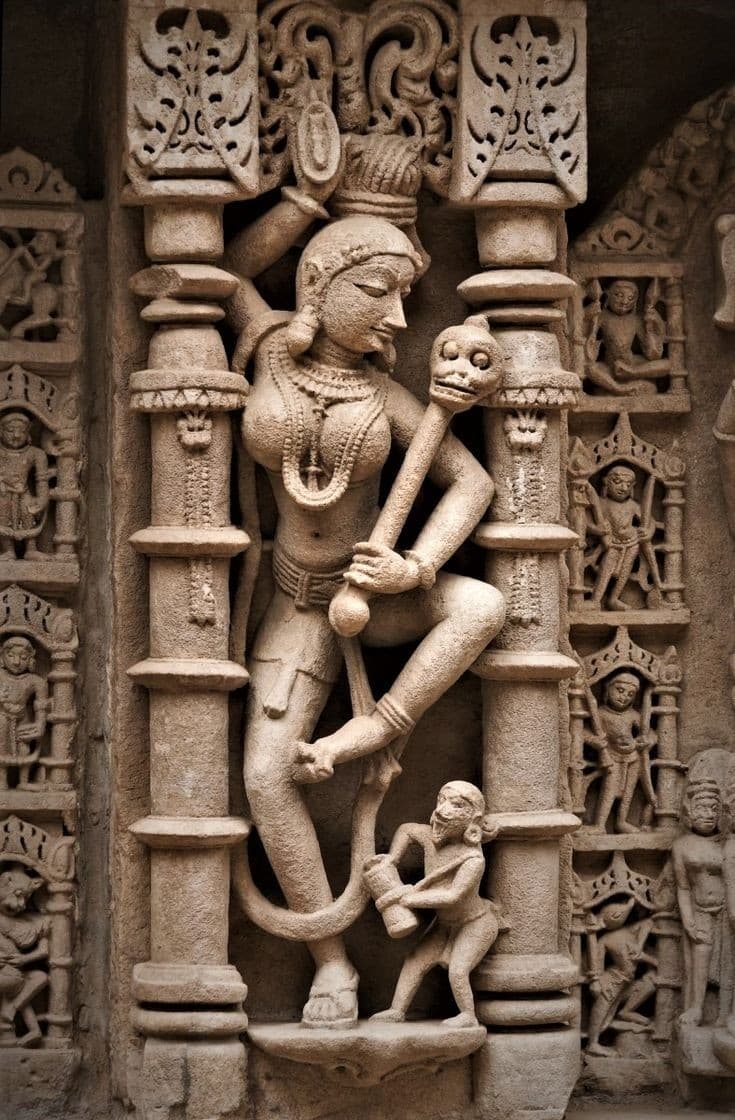
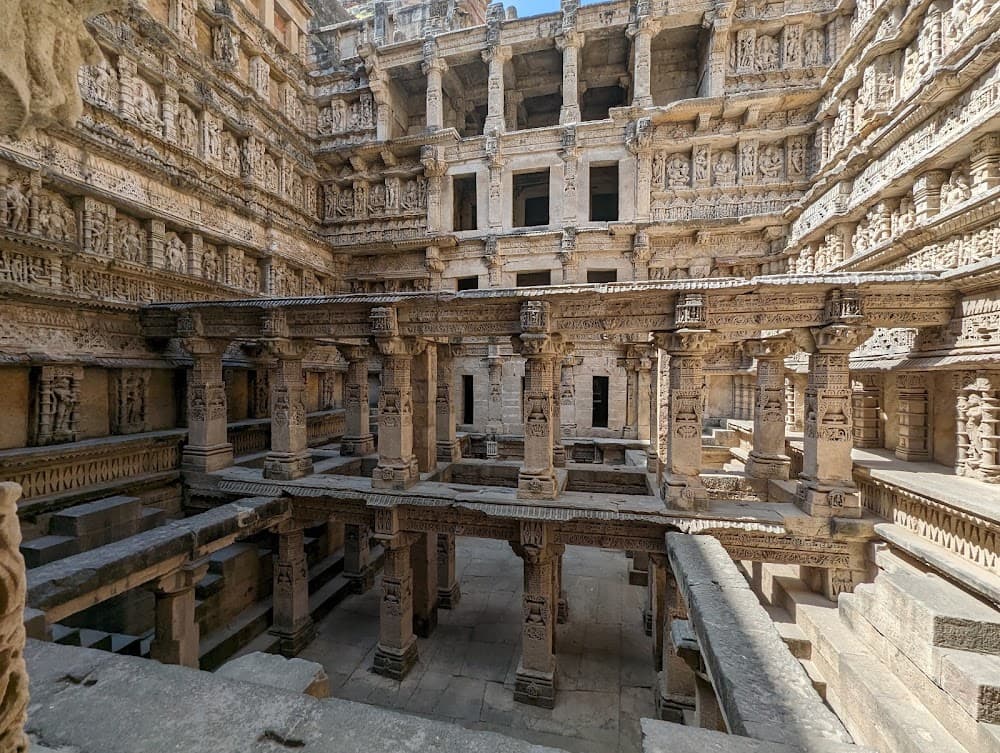
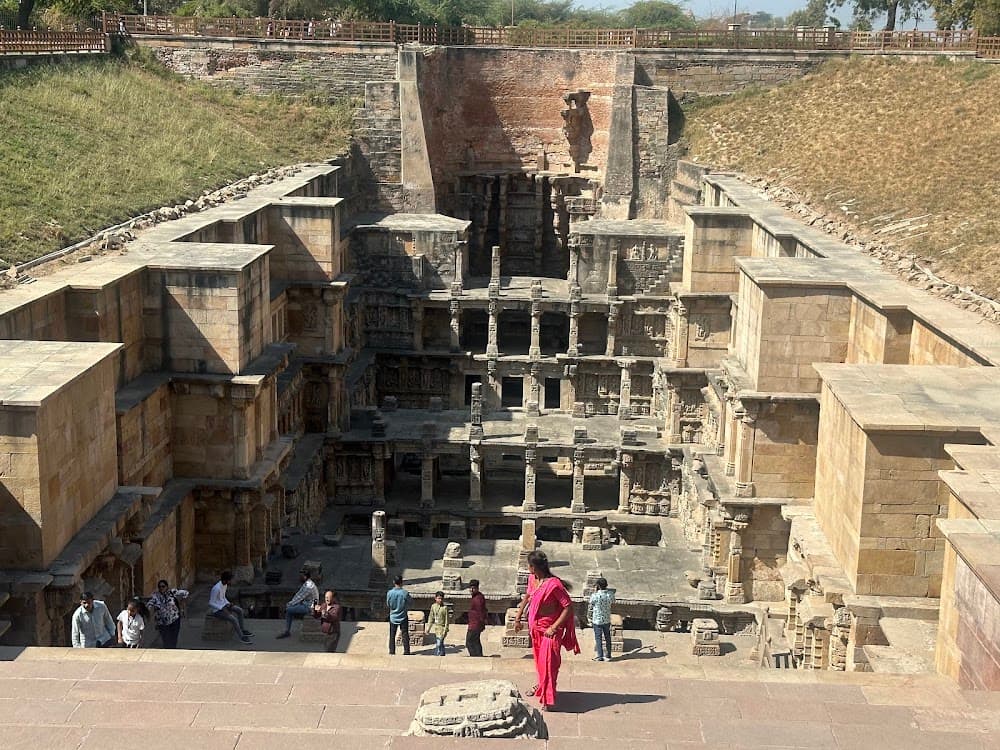
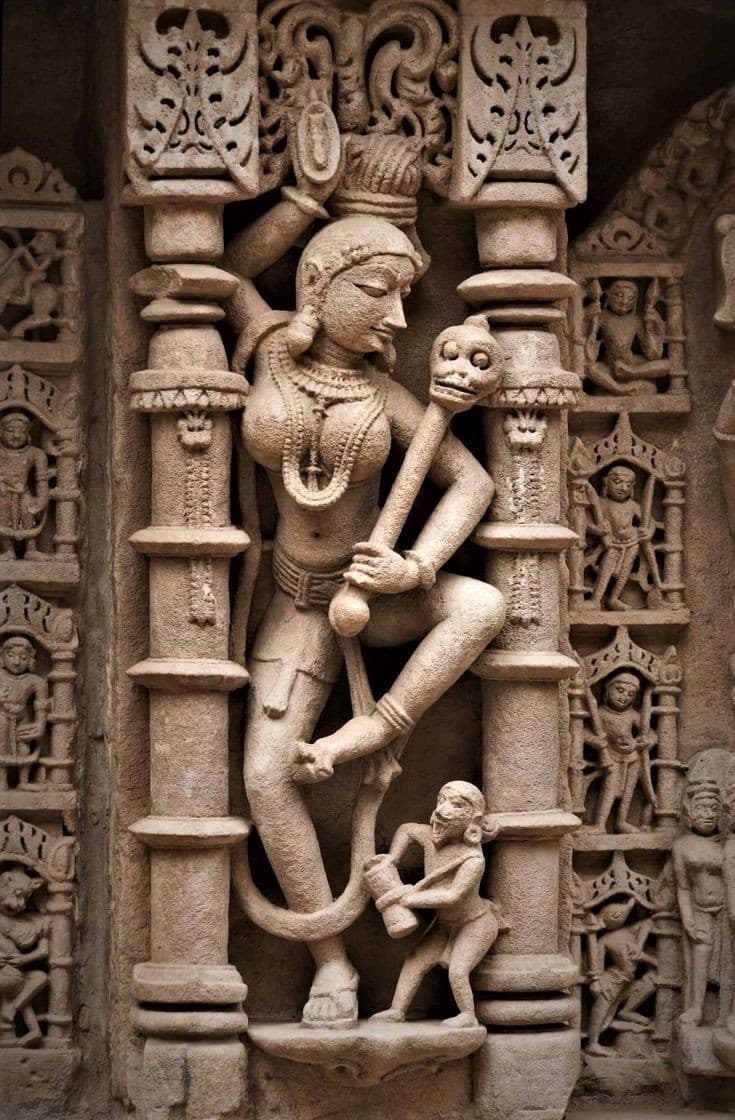
Rani ki vav's intricate carvings and ornate details reflect the elaborate style typical of stepwells in this region. Built in a style reminiscent of medieval Indian architecture, the structure features a complex network of passages and chambers. The well's walls are adorned with sculptures of deities and geometric patterns, showcasing the region's rich craftsmanship. The use of sandstone and brickwork is characteristic of the construction methods employed in the area. As a stepwell, its multi-level layout allows for a gradual descent to the water's edge, with each level featuring intricate carvings and ornate details. The scale of the structure is impressive, with a large number of steps and landings that would have once provided access to the water.
Local belief says that Rani ki vav, the ancient Queen's well in Patan, holds a special significance in the region's devotional traditions. Tradition holds that such stepwells were often built as sacred spaces, where the community would gather to worship and pay homage to the gods. It is said that the intricate carvings and sculptures that adorn the well's walls are a testament to the skill and craftsmanship of the artisans who built it, and that they may have been intended to invoke the blessings of the divine. According to local custom, visitors to the site often perform rituals and offer prayers, seeking to connect with the spiritual energy that is believed to reside here. While the specifics of Rani ki vav's mythology may be lost to time, tradition suggests that it remains a place of deep reverence and spiritual significance, where the faithful come to seek solace and enlightenment.
Rani ki vav, a magnificent stepwell, stands as a testament to the region's architectural prowess. This intricately carved monument is a remarkable example of ancient craftsmanship, with its multiple levels of ornate stone carvings and perfectly proportioned steps. Visitors can explore the well's sprawling complex, taking in the intricate details that adorn its walls and pillars. The site's historic significance and aesthetic appeal make it a compelling destination for those interested in exploring India's rich cultural heritage. To plan a visit, travellers should check locally for current timings and fees.
To explore Rani ki vav, consider visiting during the cooler parts of the day when the sun is not overhead, making the experience more comfortable. It's advisable to wear comfortable footwear and clothing suitable for walking and climbing stairs, as the site involves navigating steps. Bringing water and sun protection is also a good idea. Typically, visitors reach the site on foot or by local transport, but it's best to ask locals or check at the entrance for the most convenient way to get there. Before planning your visit, check locally for the current timings and fees to ensure a smooth experience.