
Story
AI-drafted from public sources — may contain mistakes, especially specific dates, names, or claims. Only "Good to know" above is field-checked.
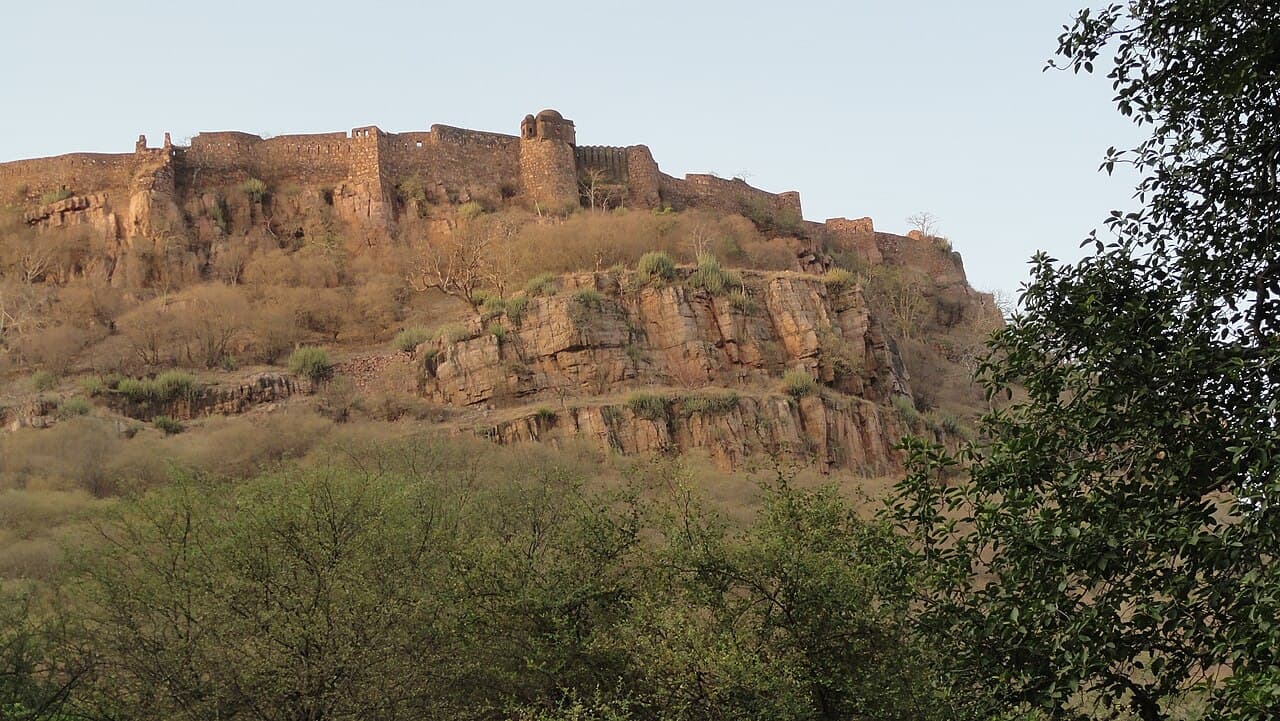
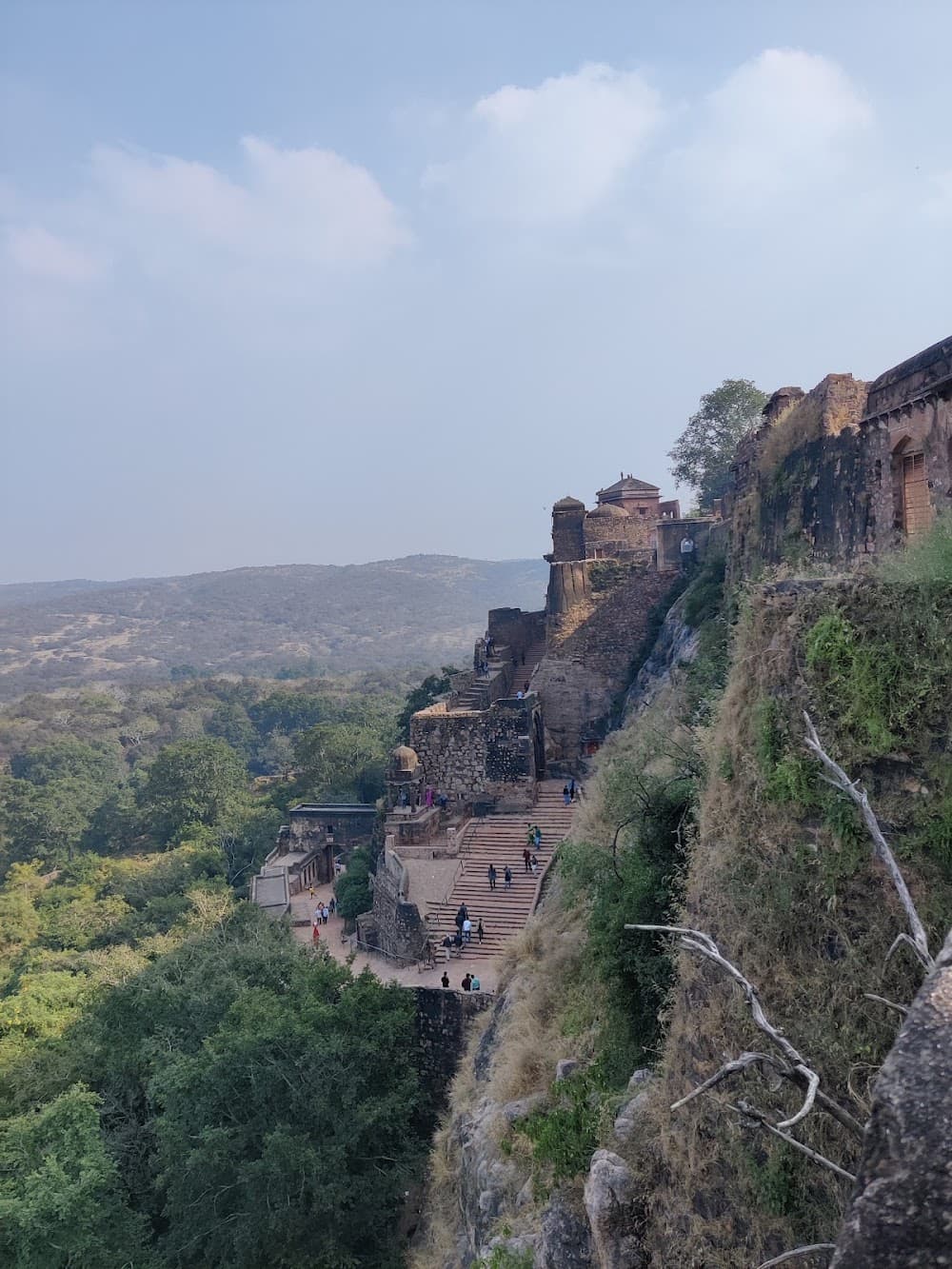
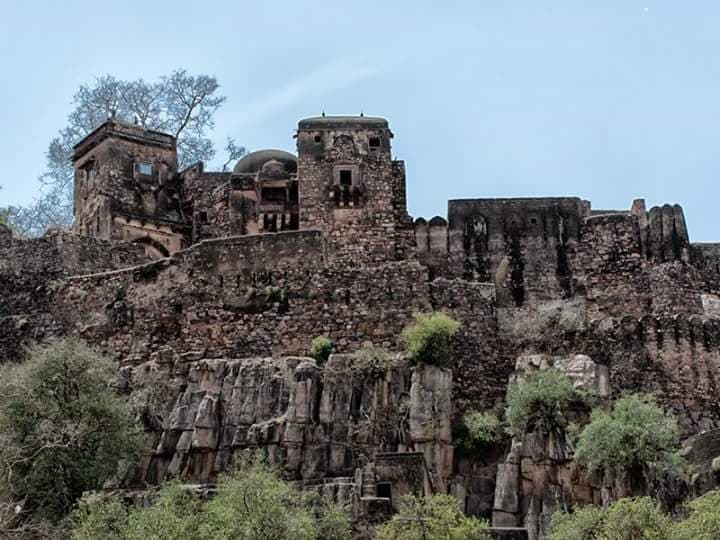
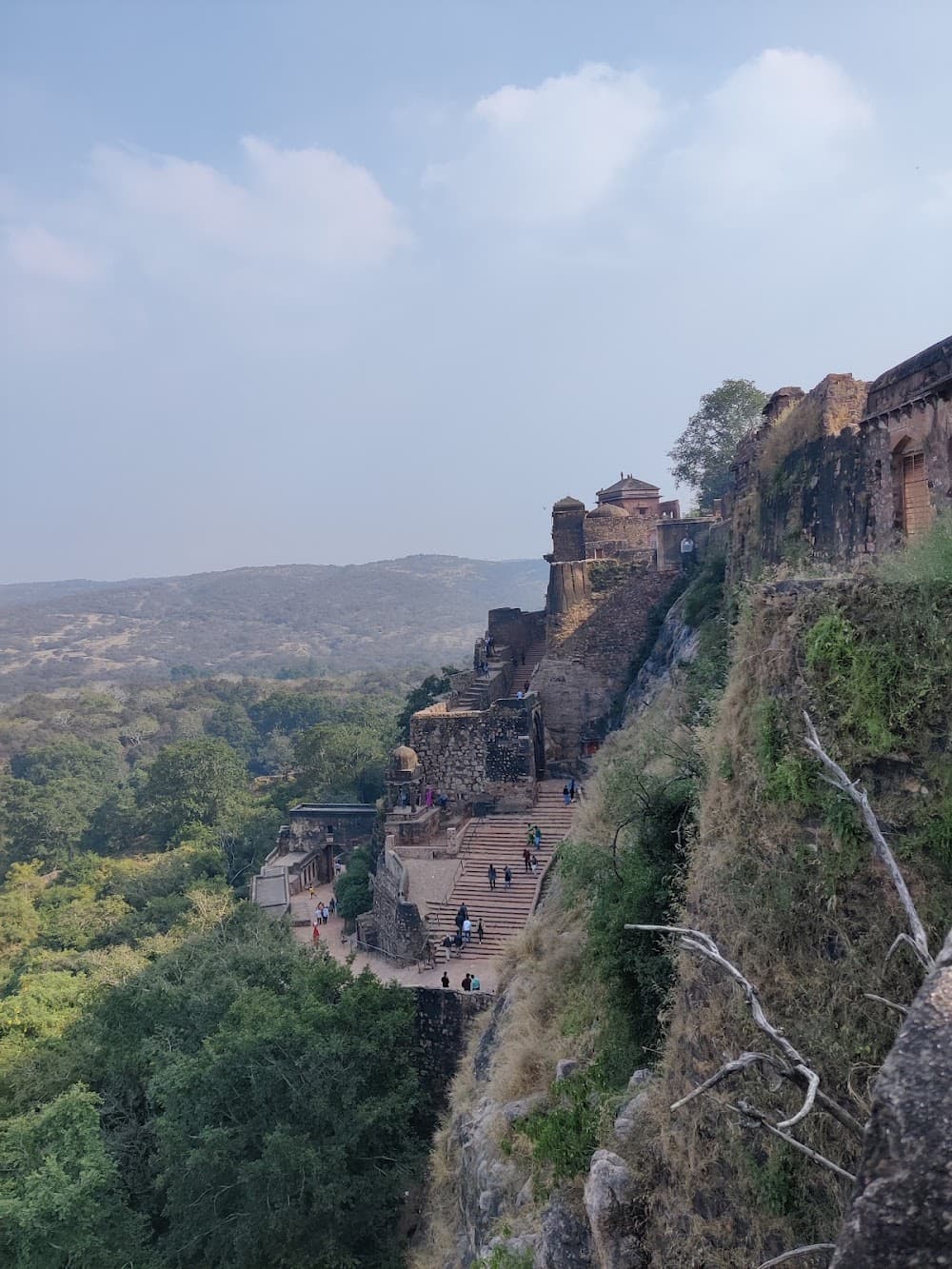
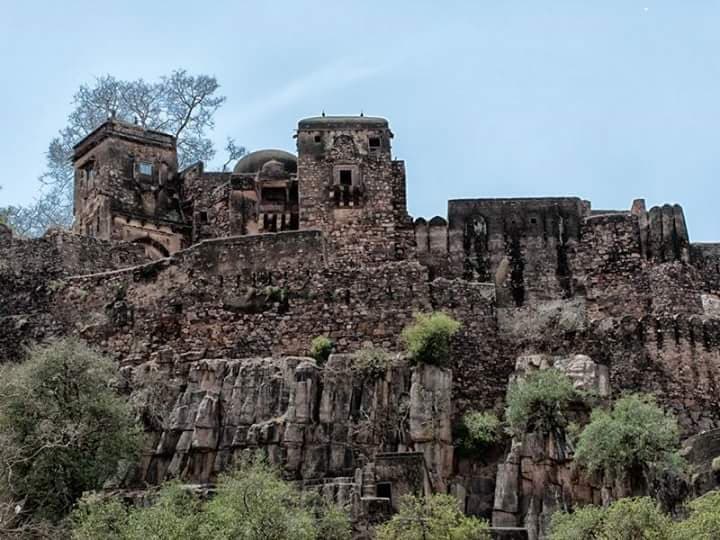
Perched atop a hill, Ranthambore Fort's imposing presence dominates the Ranthambore National Park. Built in a style typical of Rajasthan's hill forts, its sturdy walls, towering gates, and intricate stone carvings evoke a sense of grandeur. The fort's layout is characterized by a series of concentric walls, with seven gates, each adorned with ornate carvings and sculptures. The fort's architecture is a testament to the region's rich cultural heritage, with elements of Rajasthani design featuring prominently.
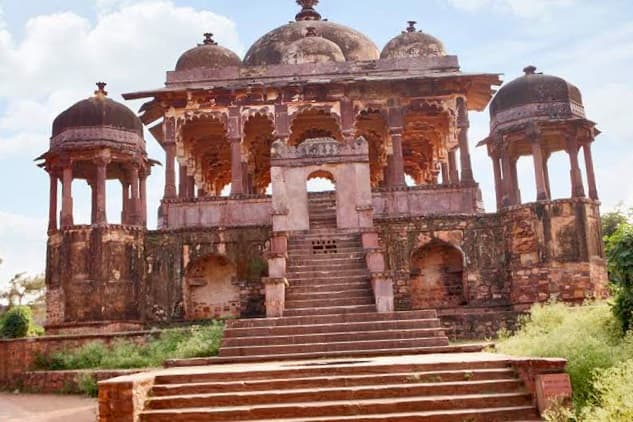
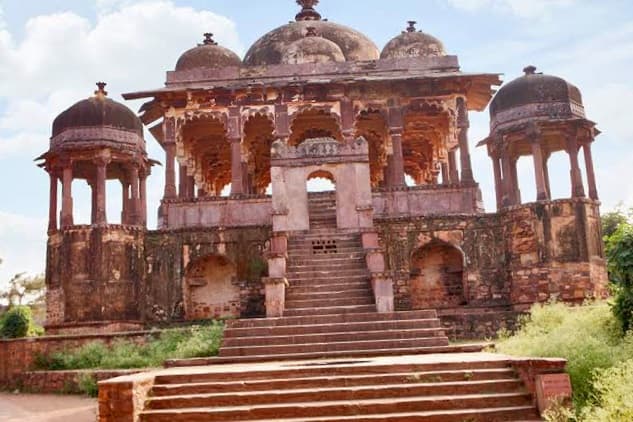
Local belief says that Ranthambore Fort, perched atop a 700-foot hill, has been a focal point of Rajasthan's rich history. Tradition holds that the fort's foundation was laid by Rajput King Sapaldaksha of the Chauhan Dynasty in the mid-10th century, with subsequent rulers contributing to its construction. The fort's imposing architecture, featuring towering gates, domes, stone pathways, and thick walls, is said to have been designed with safety and security in mind. According to legend, the fort's strategic location and design made it nearly impregnable, a fact that many rulers throughout history have sought to exploit. Despite being occupied by various dynasties, including the Muslim rulers of Delhi, the fort remains a testament to the region's cultural heritage. Today, visitors can explore the fort's many attractions, including the Ganesha Temple, Mahadeo Chhatri, Toran Dwar, and Sametonki Haveli, and take in the breathtaking views of the surrounding Ranthambore National Park.
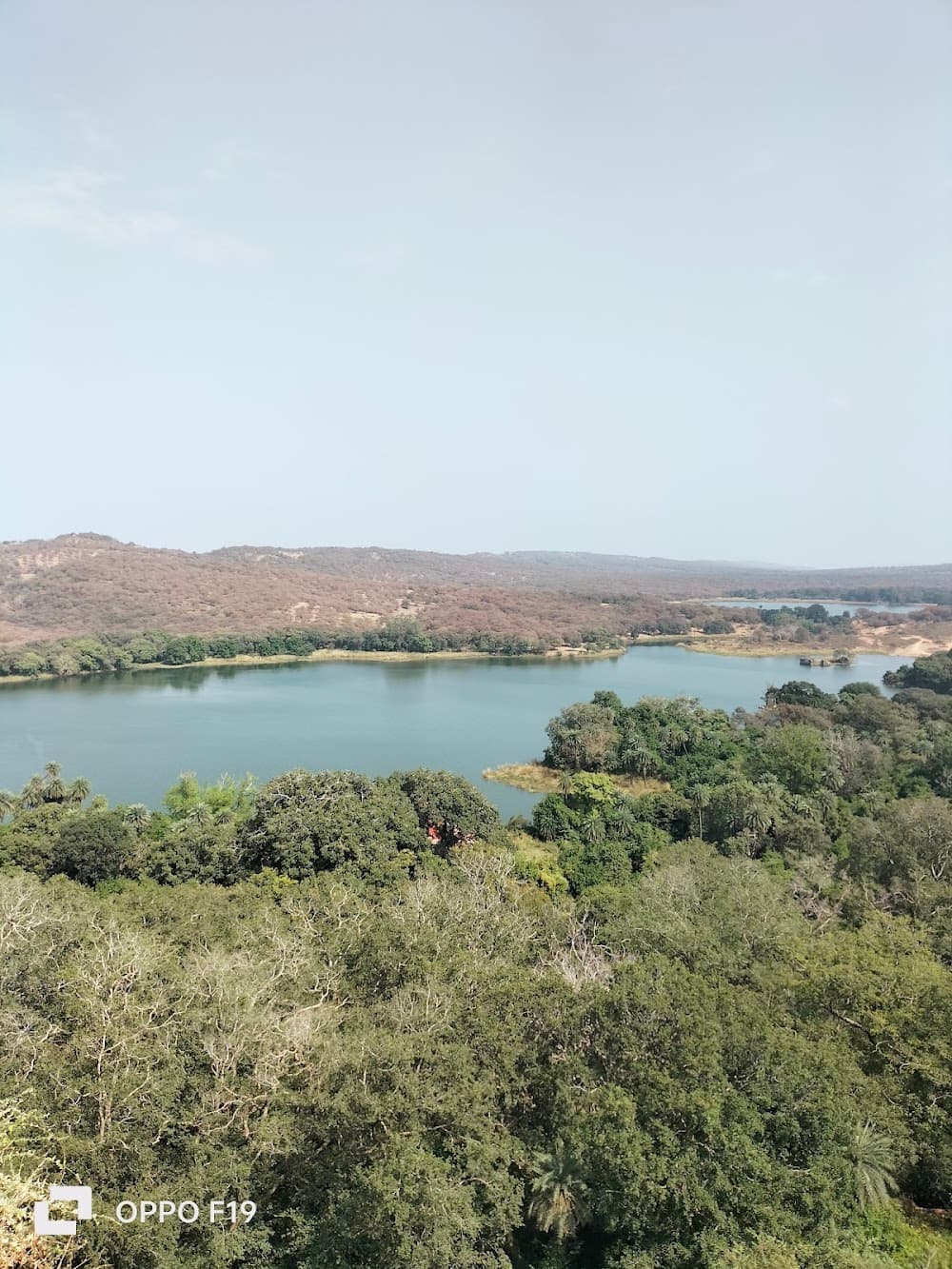
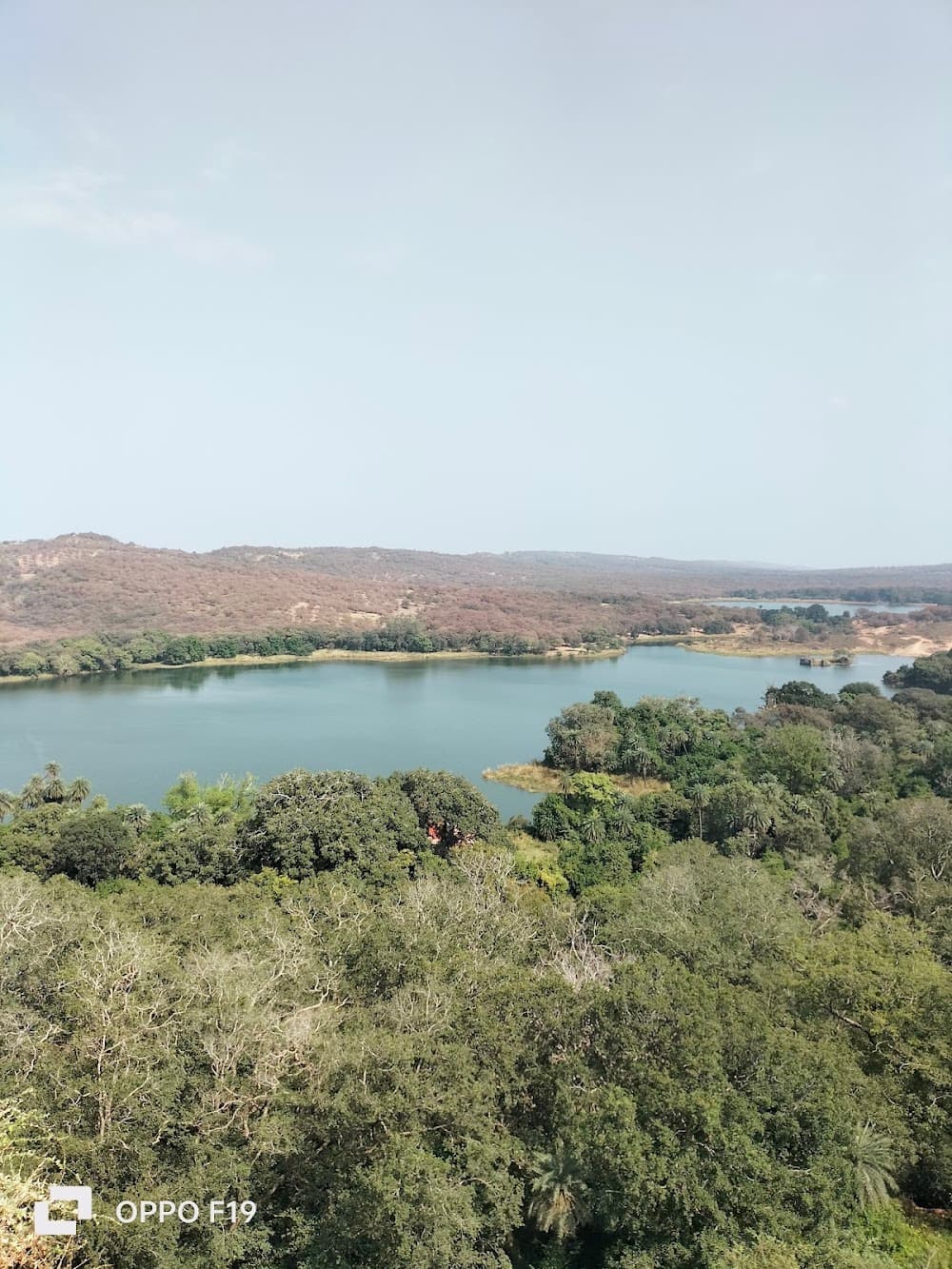
Perched atop a 700-foot hill, Ranthambore Fort commands a breathtaking panorama of the surrounding Ranthambore National Park. This imposing stronghold, a UNESCO World Heritage Site, has played a pivotal role in the history of Rajasthan. The fort's imposing architecture, with towering gates, domes, stone pathways, and thick walls, is a testament to the region's rich cultural heritage. As you enter through one of the seven gates, you'll discover a treasure trove of Rajasthani architecture, including the majestic Ganesha Temple, Mahadeo Chhatri, Toran Dwar, and Sametonki Haveli. The fort's strategic location and design once made it nearly impregnable, earning it a reputation as a formidable stronghold. Today, it remains a must-visit attraction in Ranthambore, offering a unique blend of history, architecture, and natural beauty.
As you approach Ranthambore Fort, the imposing structure comes into view, its towering gates and stone pathways a testament to its rich history. The fort's strategic location atop a hill offers breathtaking views of the surrounding Ranthambore National Park, making it a must-visit attraction in the region. To fully appreciate the fort's architecture and history, it's recommended to plan your visit during the cooler parts of the day, when the sun is not too harsh. Wear comfortable shoes and clothing suitable for the terrain, and don't forget to bring a camera to capture the stunning vistas. The fort can be reached via a scenic drive through the national park, and visitors are advised to confirm the current opening hours and any entrance fees locally, as these may be subject to change.