

Story
AI-drafted from public sources — may contain mistakes, especially specific dates, names, or claims. Only "Good to know" above is field-checked.
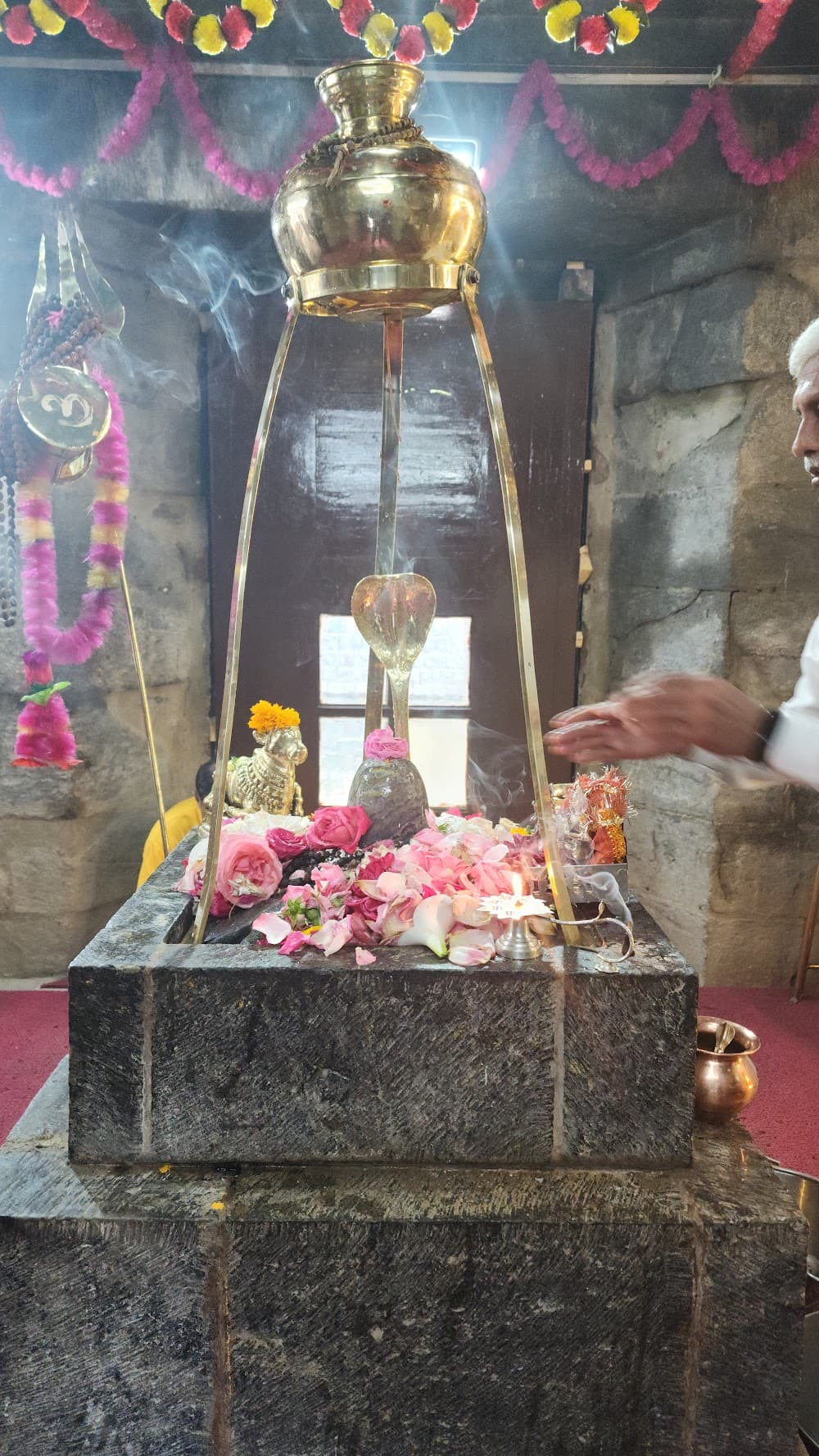
Local tradition holds that the Pandrethan Shiva temple, nestled in the heart of Srinagar, is a sacred site where devotees seek spiritual solace. The temple's serene atmosphere is said to foster mental clarity and spiritual awakening, making it a revered destination for those seeking a deeper connection with the divine.
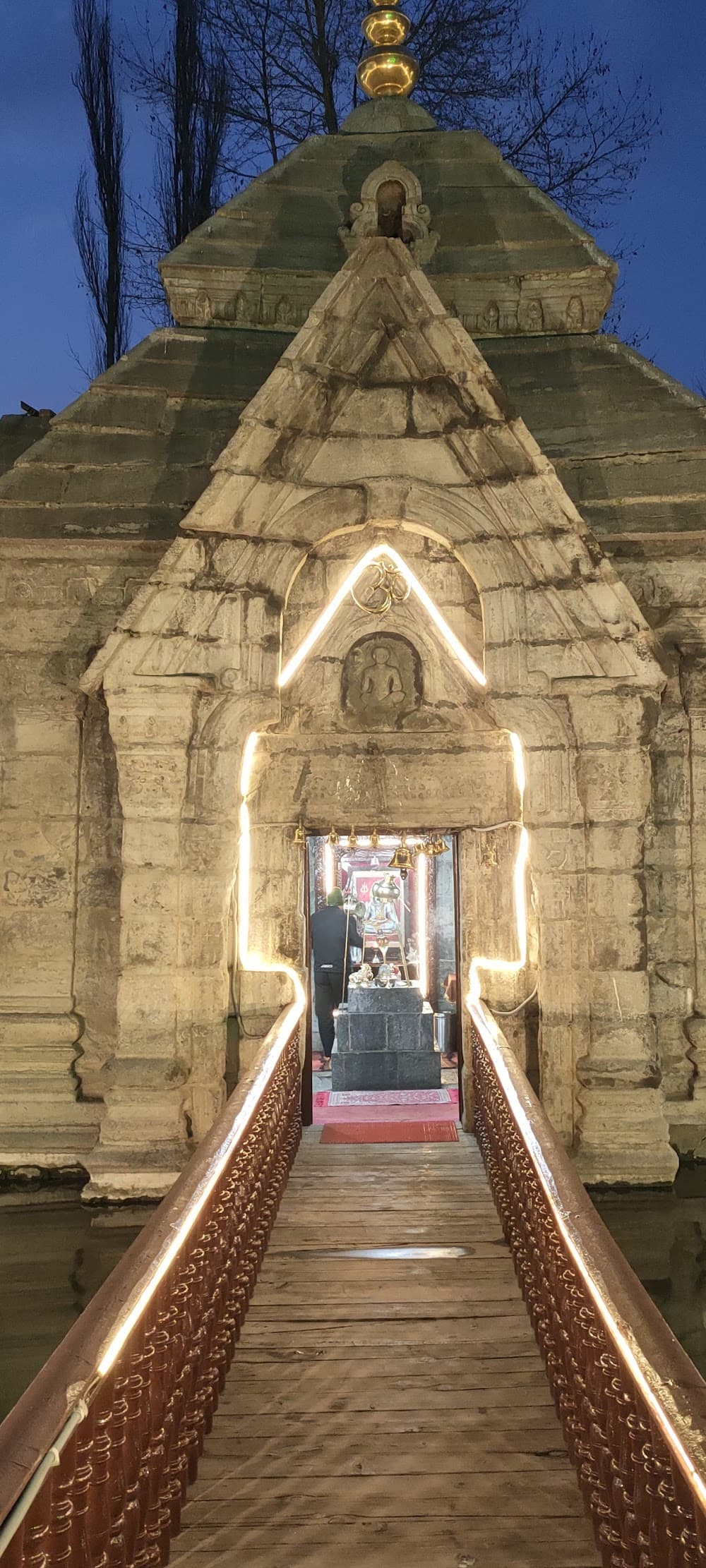
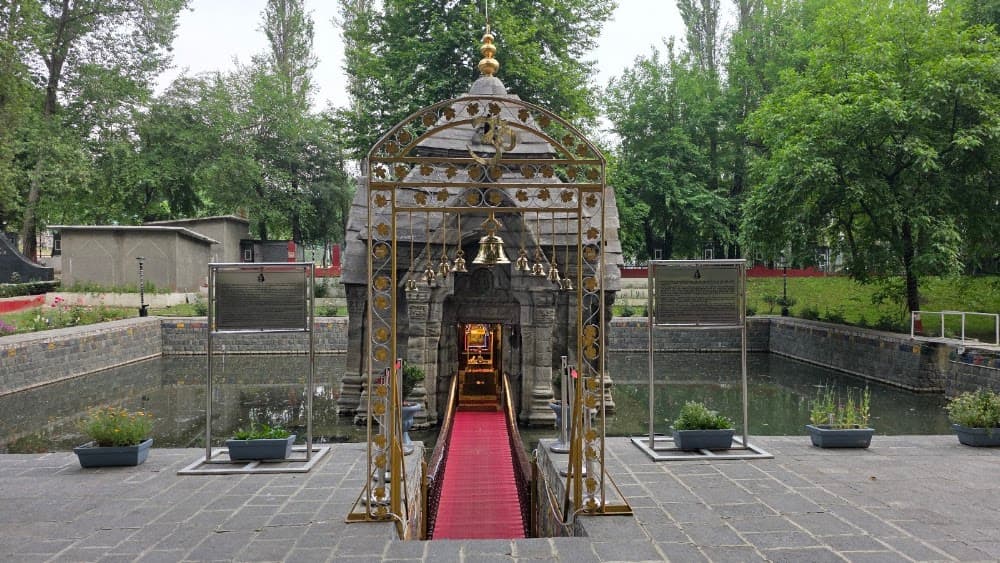
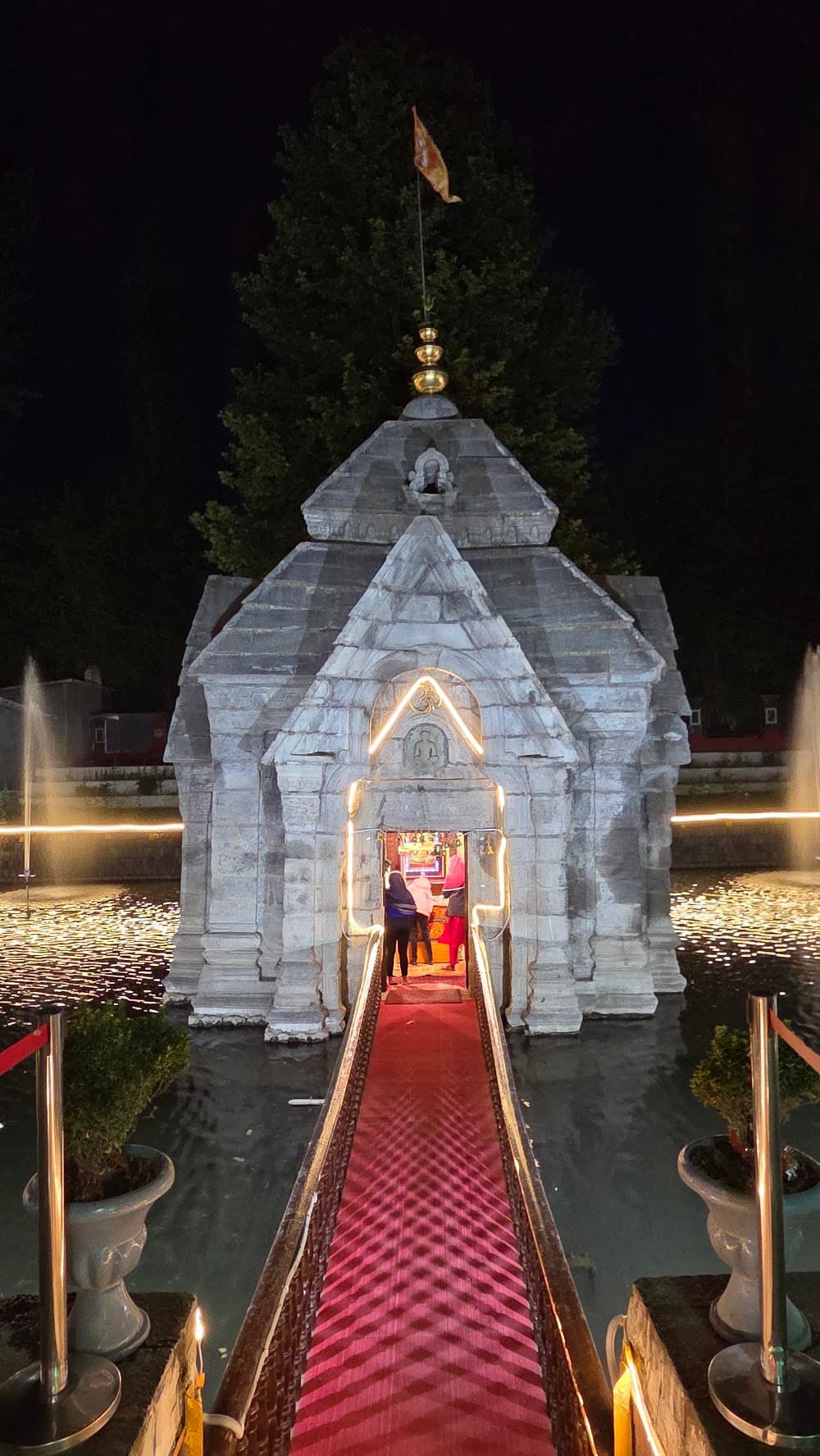
Standing at the edge of the tranquil tank, the Pandrethan Shiva temple rises from the lush greenery, its ancient stones bearing testament to the rich cultural heritage of Kashmir. This serene sanctuary, dedicated to the revered deity Shiva, is a must-visit destination for those seeking spiritual solace and a glimpse into the region's storied past. As you approach the temple, the soothing sounds of the natural spring and the gentle breeze rustling the leaves create an atmosphere of peace and contemplation.
As you approach the Pandrethan Shiva temple, the serene atmosphere and tranquil surroundings invite contemplation. The temple's modest size belies its significance, as it stands at the heart of a tank fed by a natural spring, close to the Jhelum River. Visitors are advised to seek permission before photographing, particularly in certain directions around the site, due to its location within a military cantonment area. It's best to visit during the spring season, when the early mornings offer particularly favourable conditions for a visit. Dress comfortably and be prepared to remove your shoes before entering the temple. As you explore the temple, take a moment to appreciate the intricate carvings and the spiritual energy that permeates the space.
Visitors typically come to the Pandrethan Shiva temple seeking spiritual connection and tranquility. Commonly, they involve themselves in quiet contemplation, drawn to the site's serene atmosphere and the promise of mental clarity and spiritual awakening that local tradition associates with the temple's stone lotus.