
Story
AI-drafted from public sources — may contain mistakes, especially specific dates, names, or claims. Only "Good to know" above is field-checked.
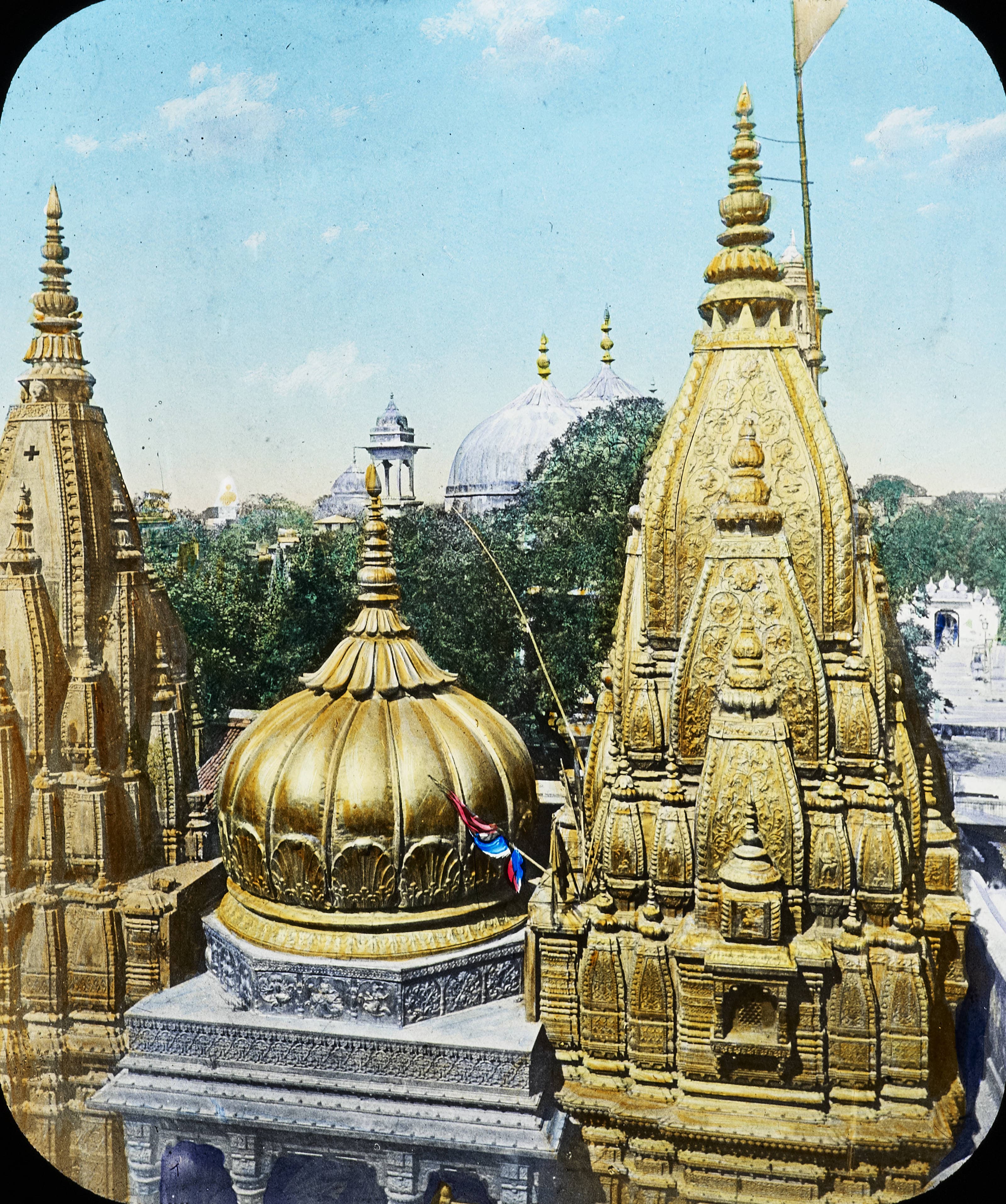
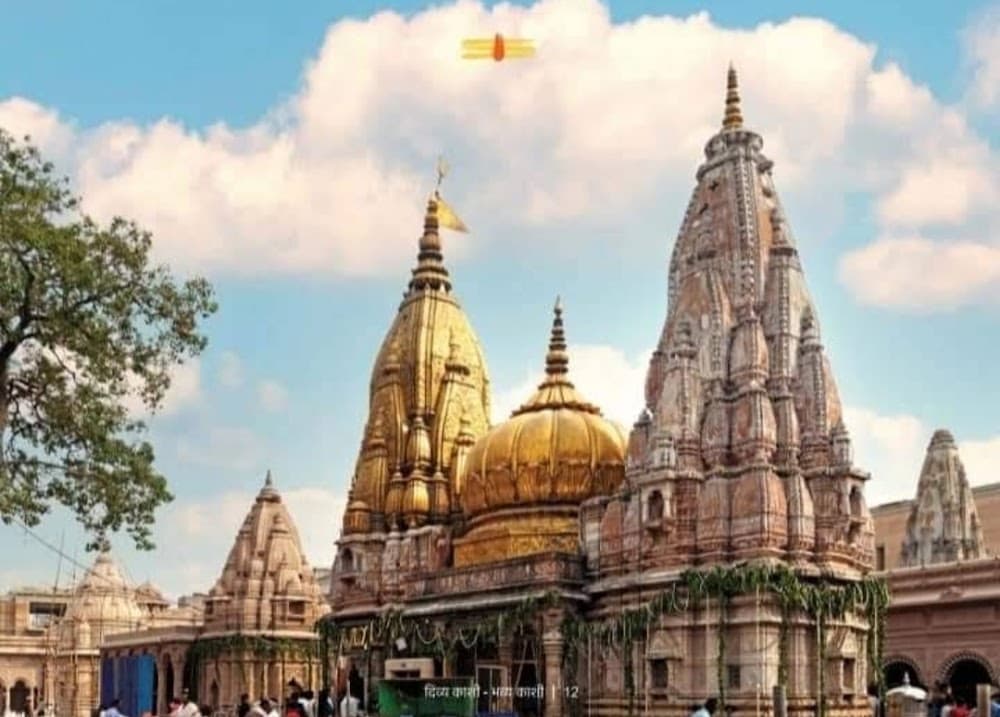
The present temple was built in 1780 by Ahilyabai Holkar. Its spires were gold-plated in 1835 by Maharaja Ranjit Singh. The Kashi Vishwanath Dham corridor was inaugurated on 13 December 2021.
The earlier Adi Vishveshvara temple was demolished in 1669 under Aurangzeb; the Gyanvapi mosque stands on the adjoining site and the matter is under litigation. The present temple was built under Ahilyabai Holkar's patronage in the 1770s-80s.
Tradition holds Shiva himself founded Kashi and that the Jyotirlinga here is self-manifested. Darshan at Kashi is held to grant moksha, which is the basis of the entire pilgrim economy of the city.
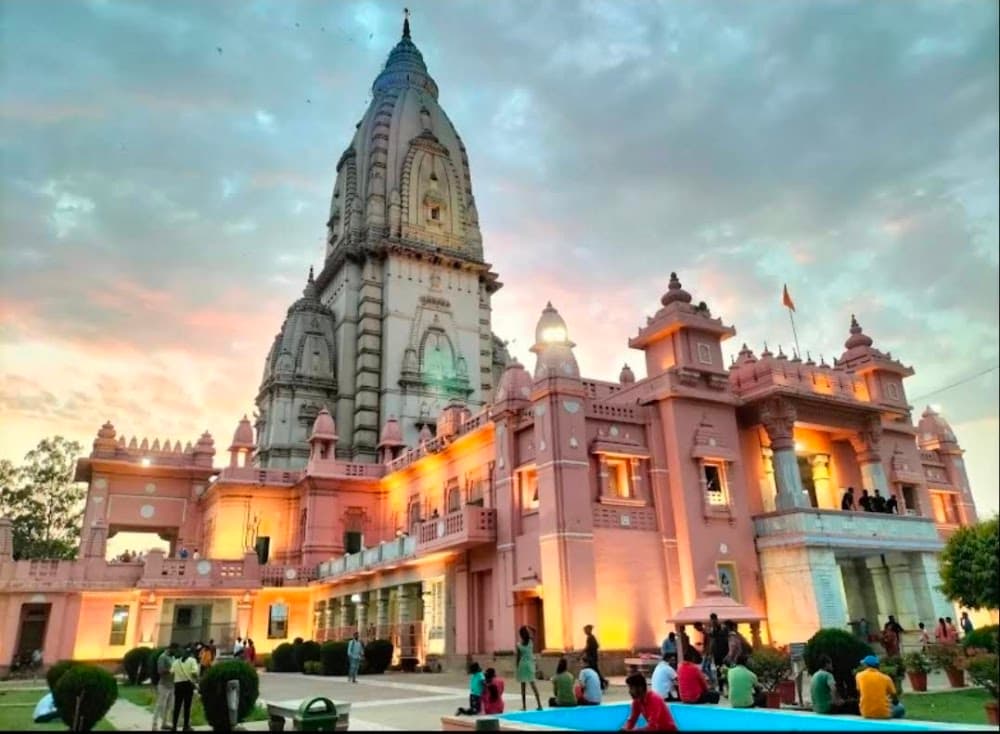
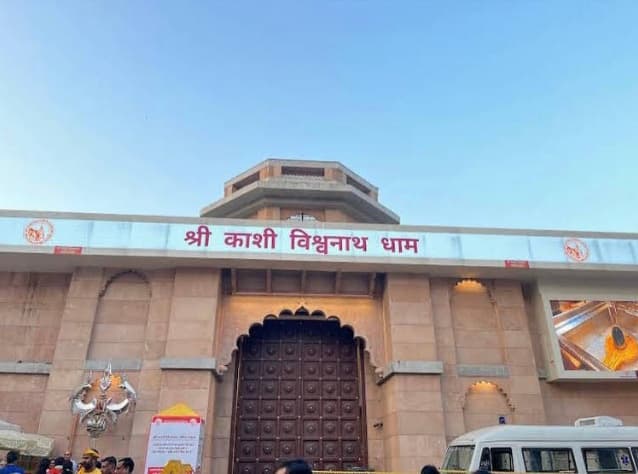
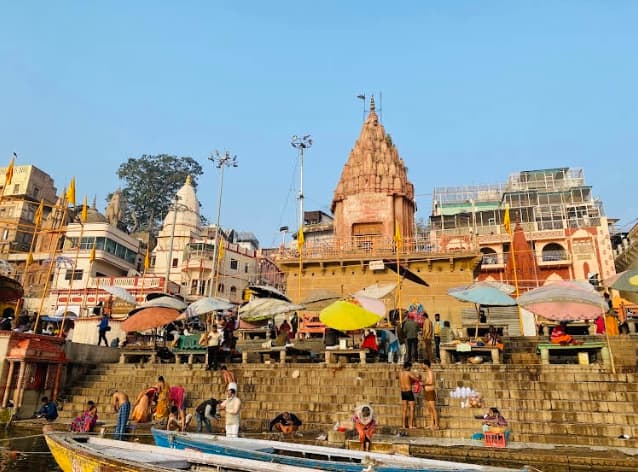
The principal temple of the city and one of the twelve Jyotirlinga shrines. The deity's name means Lord of the Universe. Since 2021 the temple has been connected to the river by the Kashi Vishwanath Corridor, which cleared a direct route from the ghats.
Book darshan only through the Shri Kashi Vishwanath Temple Trust's official website, shrikashivishwanath.org; the daily schedule is listed under Good to know. A third-party guide reports the Sugam darshan fee as Rs 250, so confirm it on the official portal. Entry to the Kashi Vishwanath Dham corridor, which links Lalita Ghat with the temple, is free.
The temple's daily aartis, as published by the temple trust, are the Mangala Aarti (3 to 4 AM, ticketed), the Bhog Aarti (11:15 AM to 12:20 PM), the Saptarishi Aarti (7 to 8:15 PM), the Shringar/Bhog Aarti (9 to 10:15 PM) and the Shayan Aarti (10:30 PM).