
Story
AI-drafted from public sources — may contain mistakes, especially specific dates, names, or claims. Only "Good to know" above is field-checked.
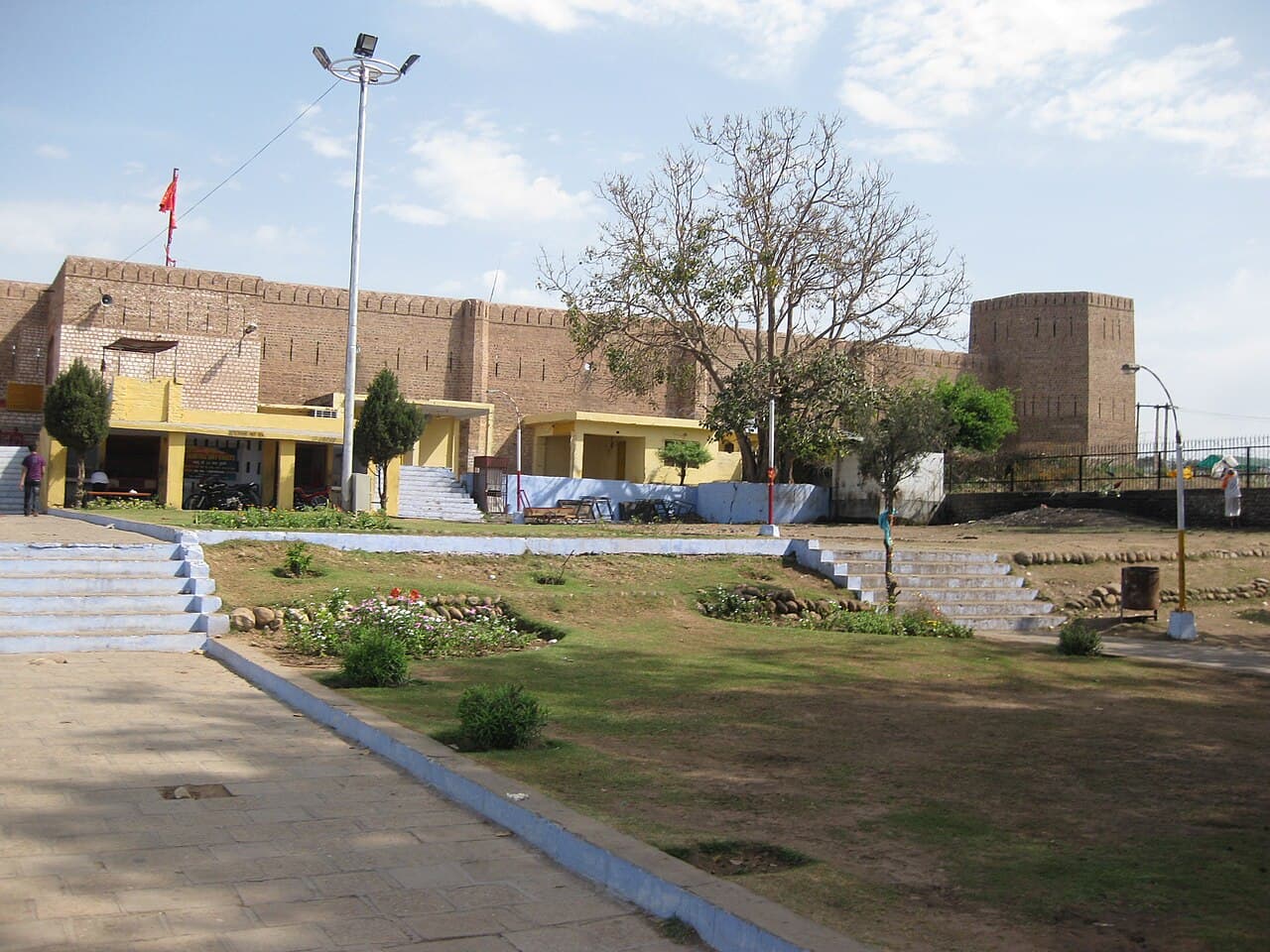
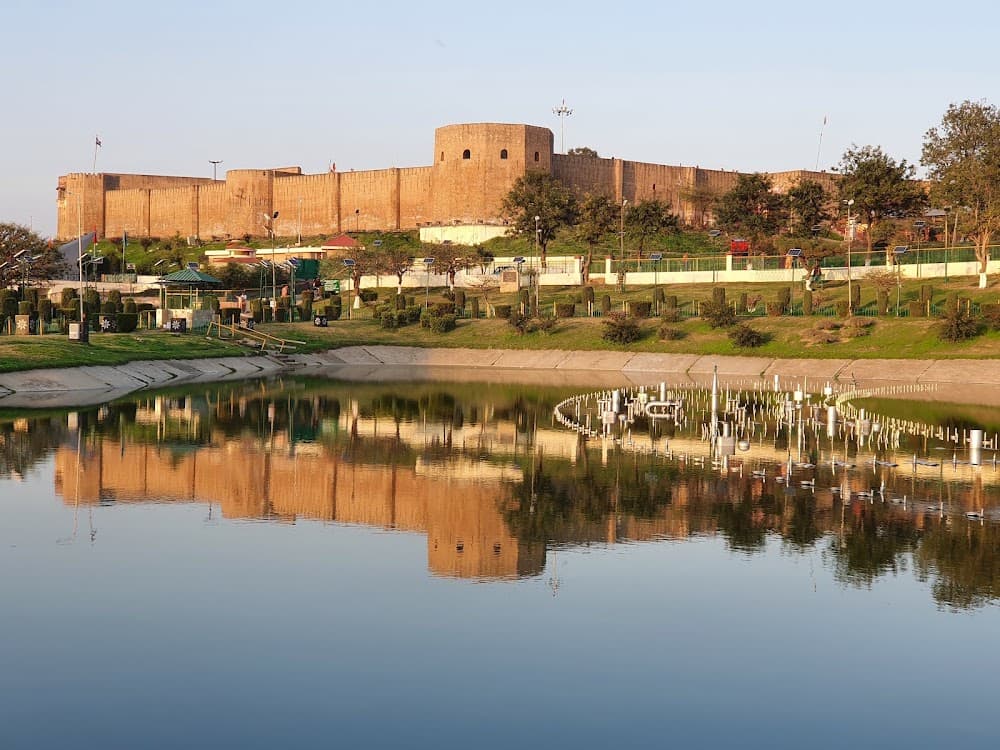
The Bahu Fort's sturdy walls, crafted from a blend of sandstone, lime, and bricks, rise from the rocky plateau like a sentinel, its eight prominent towers piercing the sky. The grand gates, designed to accommodate even the largest of elephants, lead to a sprawling complex that unfolds like a tapestry of history. The winding paths reveal intricately carved doorways and delicate flower patterns, testaments to the skill of artisans from bygone eras. The fort's scale is imposing, its sheer size a testament to the grandeur of a bygone era.
Local belief says that the Bahu Fort, perched atop a rocky plateau, holds a special significance in the devotional landscape of Jammu. Tradition holds that the fort's walls, constructed from sturdy sandstone, lime, and bricks, have borne witness to the prayers and pilgrimages of devotees seeking the blessings of the Hindu goddess Kali. The temple dedicated to her worship, known as the Bawe Wali Mata temple, stands at the heart of the fort, its intricate carvings and flower patterns a testament to the skill of artisans from bygone eras. As the wind whispers through the winding paths, it's said that the echoes of prayers and whispers of the past mingle with the present, infusing the air with a sense of reverence and awe.
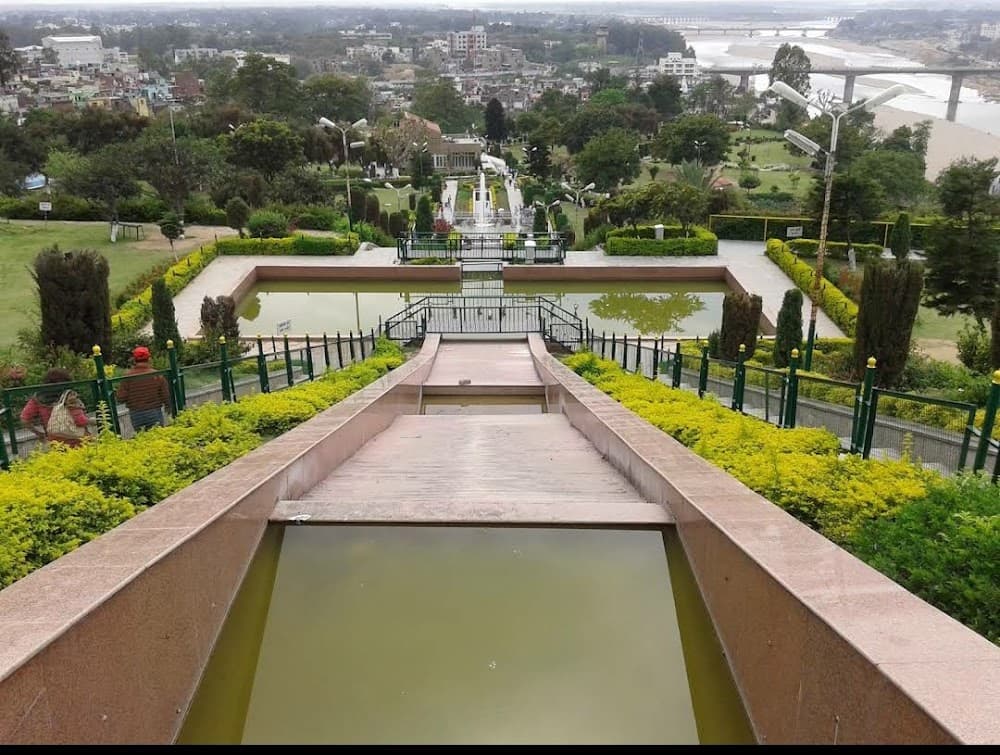
Said to be the oldest structure in Jammu, built by Raja Bahulochan, brother of the city's traditional founder Jambu Lochan, and rebuilt in 1585 by Autar Dev. One source: 'reconstructed, renovated, restored, and repaired by MANY RULERS FROM DIFFERENT DYNASTIES FROM TIME TO TIME' — and my capture cuts off before the final attribution. Bagh-e-Bahu gardens lie below.
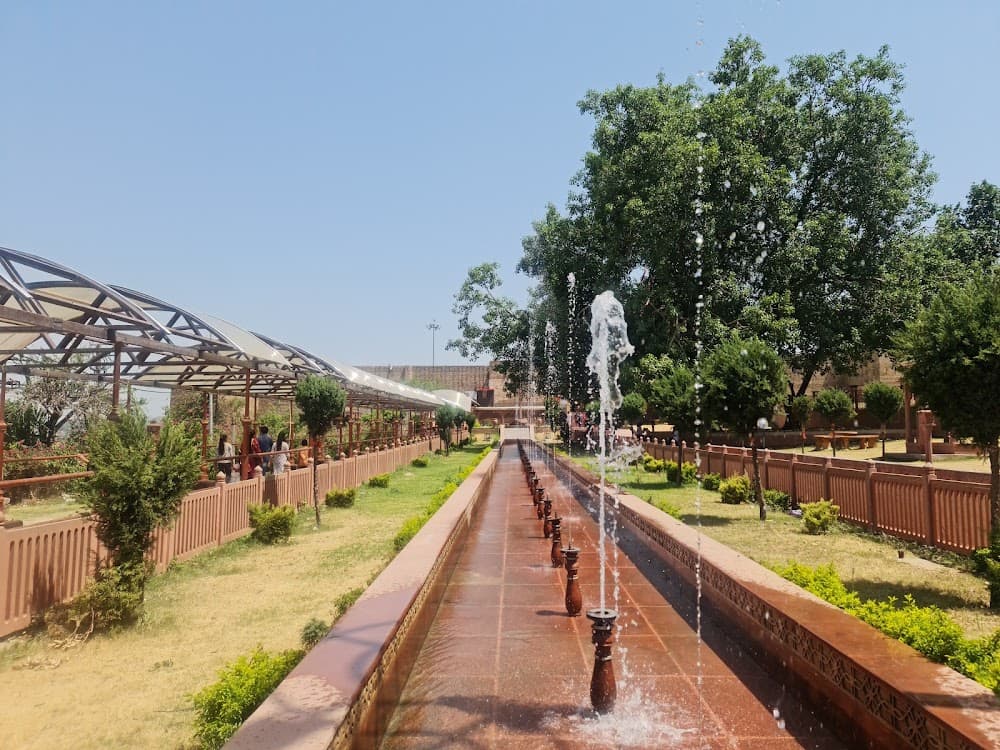
As you approach the Bahu Fort, the imposing structure rises from the rocky plateau, its sturdy walls a testament to the region's rich history. The fort's grand gates, designed to accommodate even the largest of elephants, provide an awe-inspiring introduction to the site. As you enter, the sound of prayers and the gentle breeze carry you back in time, inviting you to explore the winding paths and discover the beautifully carved doorways and intricate flower patterns that adorn the walls. Be sure to wander through the Bagh-e-Bahu garden, where vibrant colours bring the fort to life, and visit the Bagh-e-Bahu Aquarium, a recent addition that offers a unique glimpse into the region's natural heritage. Confirm local guidance for the best time to visit and any specific requirements for your visit, as the fort's hours and regulations may change.