
Jaipur
Fortress walls, intricate jewelry, and vintage textiles
Vibrant chaos of hawkers' calls and honking horns envelops the streets
Jaipur, in Rajasthan.
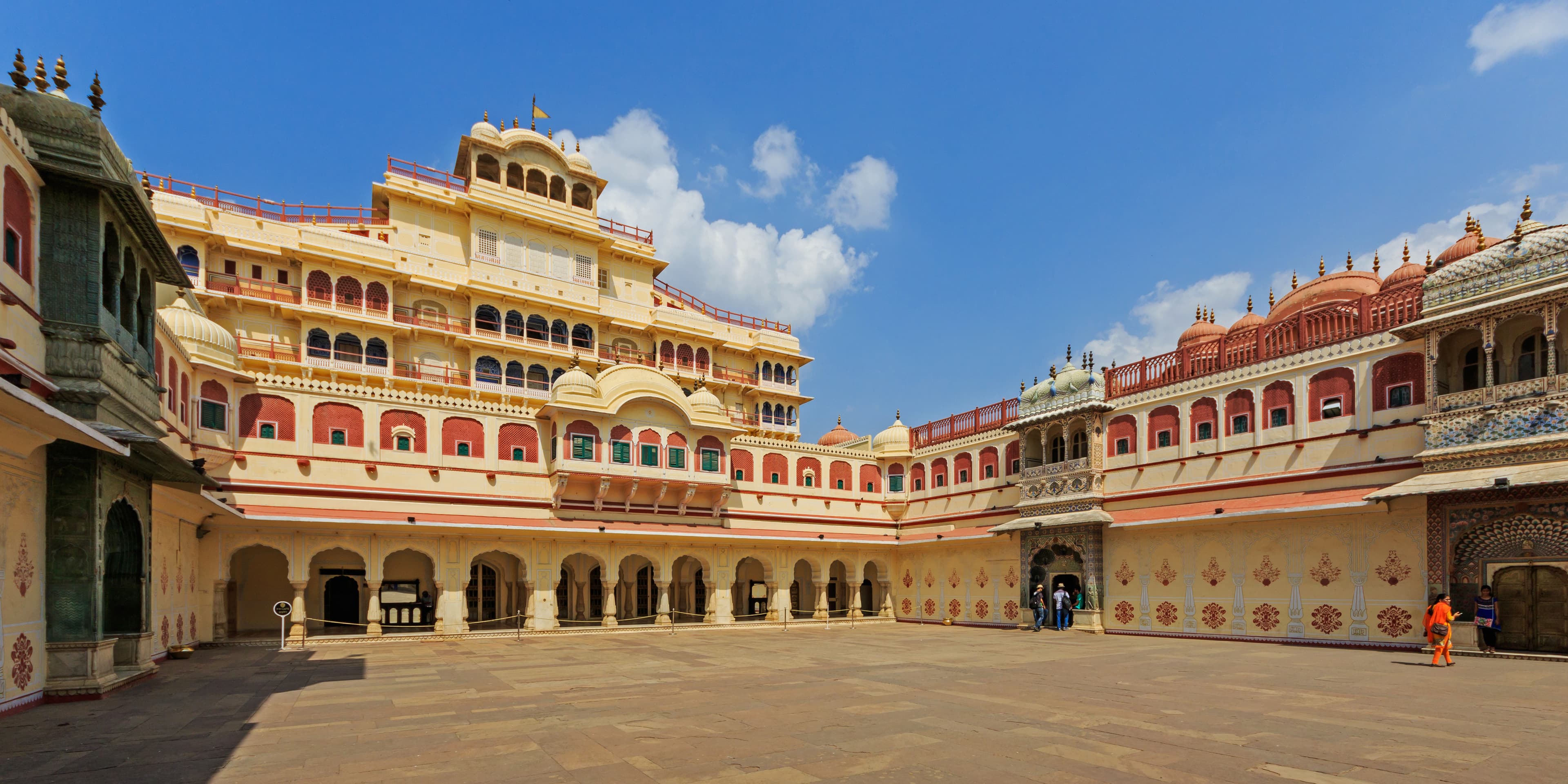
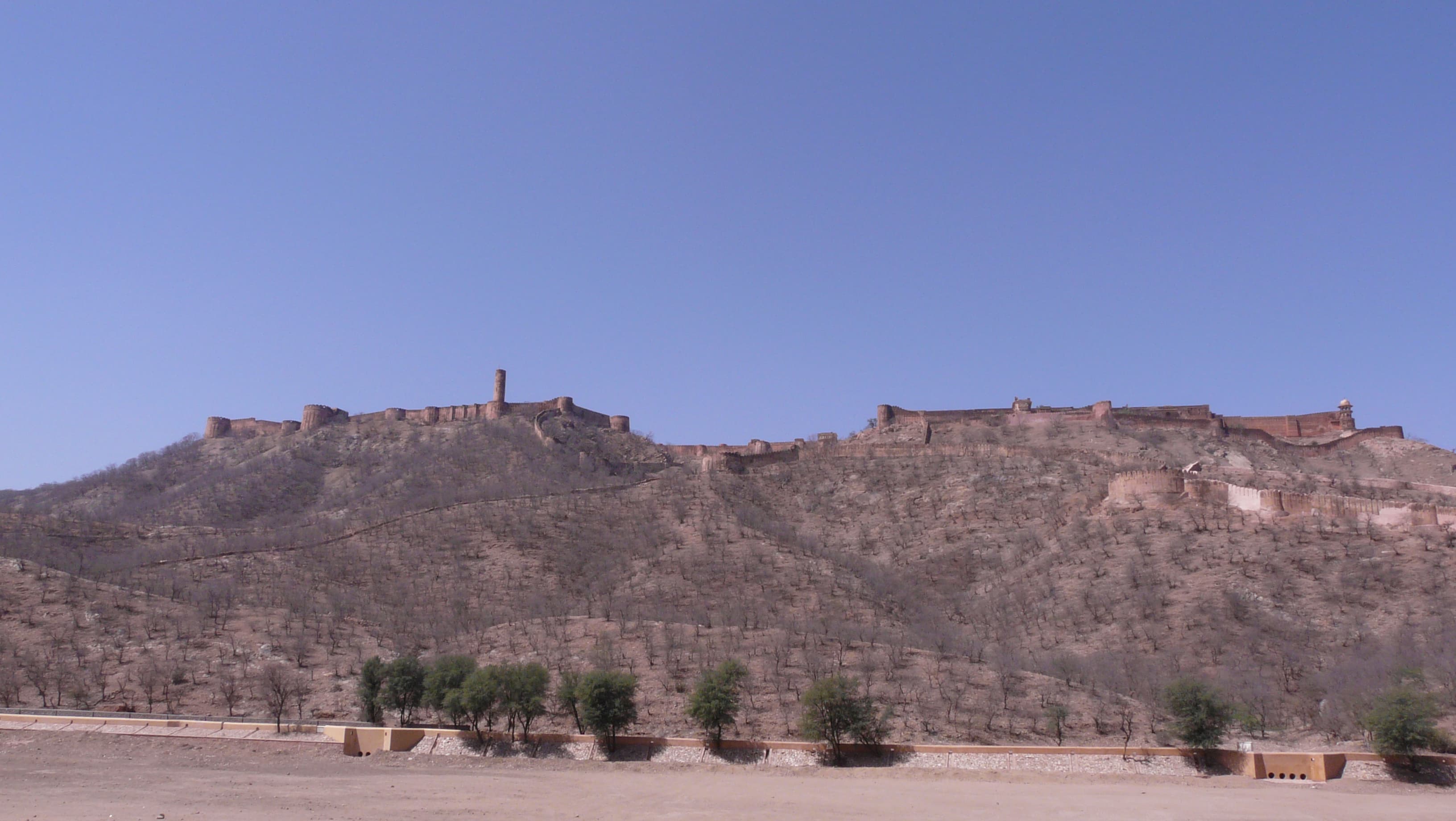
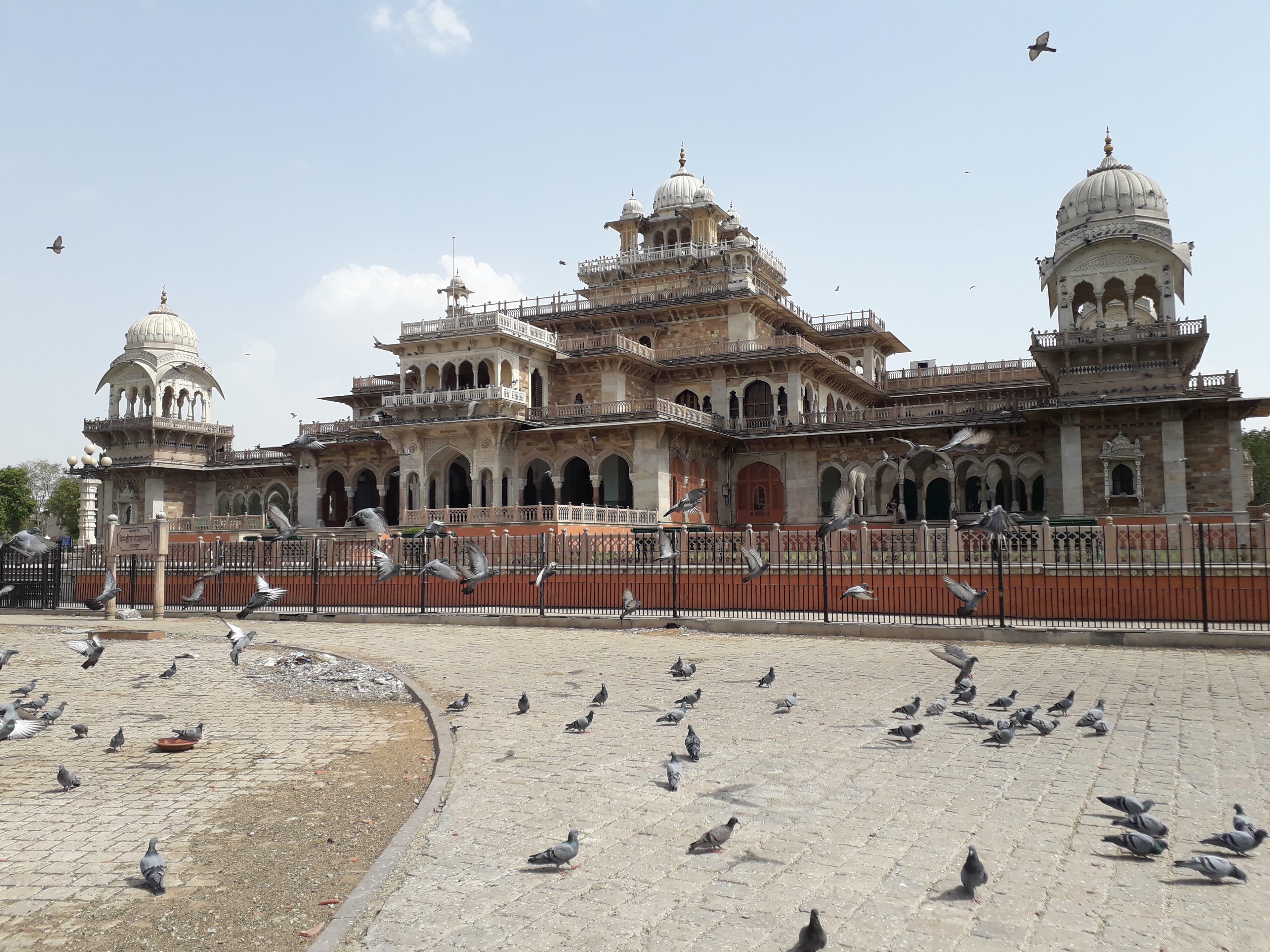
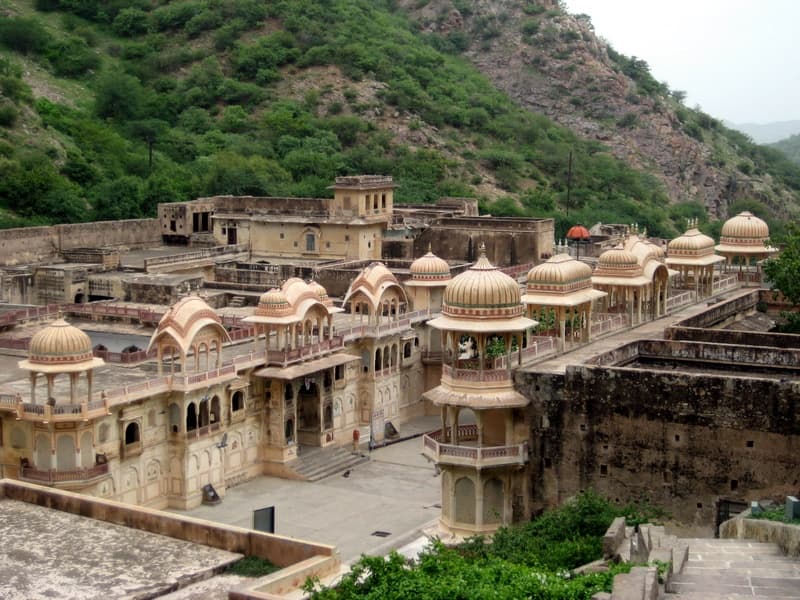
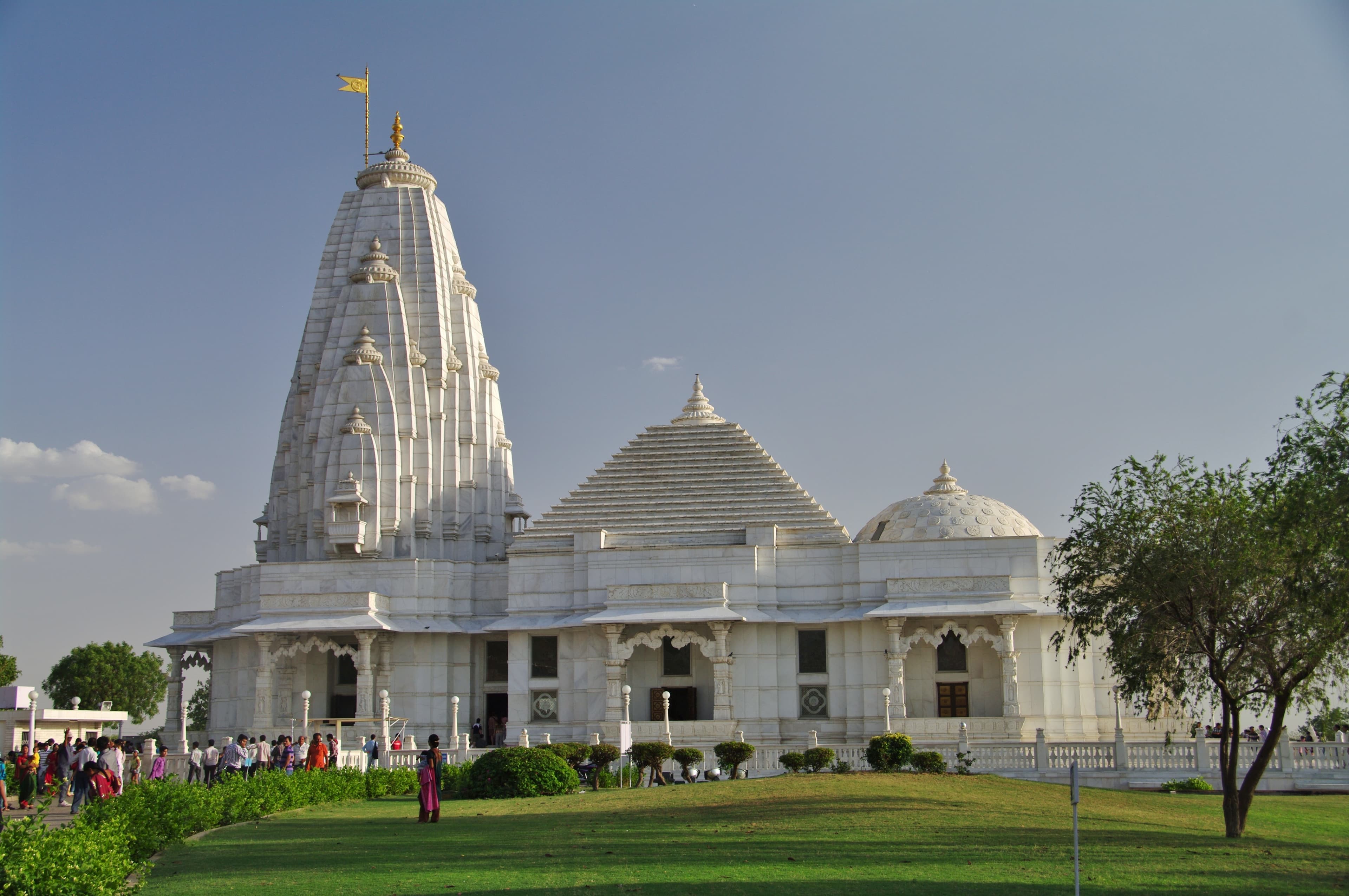
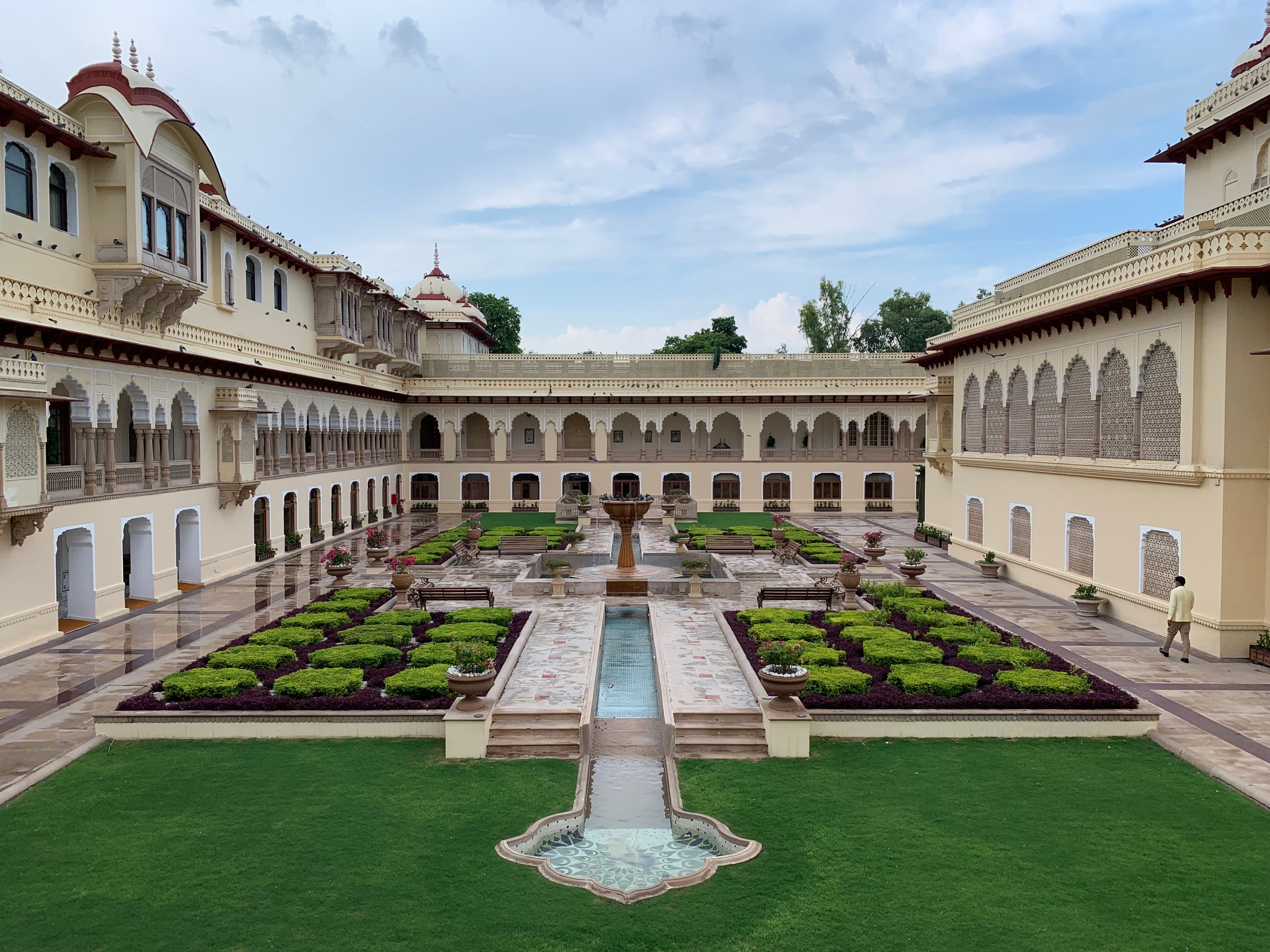
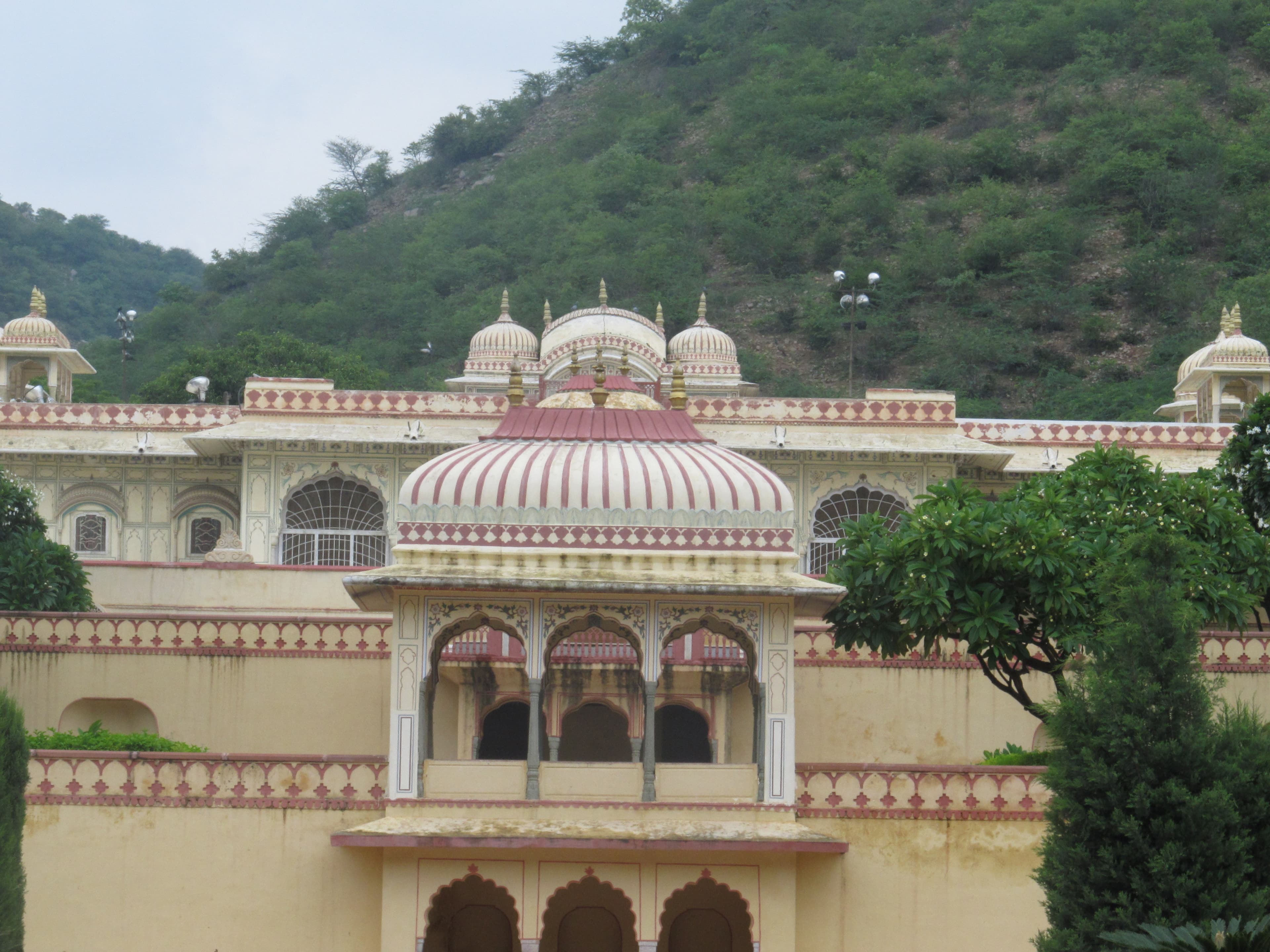

Jaipur is known for
Why Jaipur is famous
- •State: Rajasthan; capital of the state since 1949
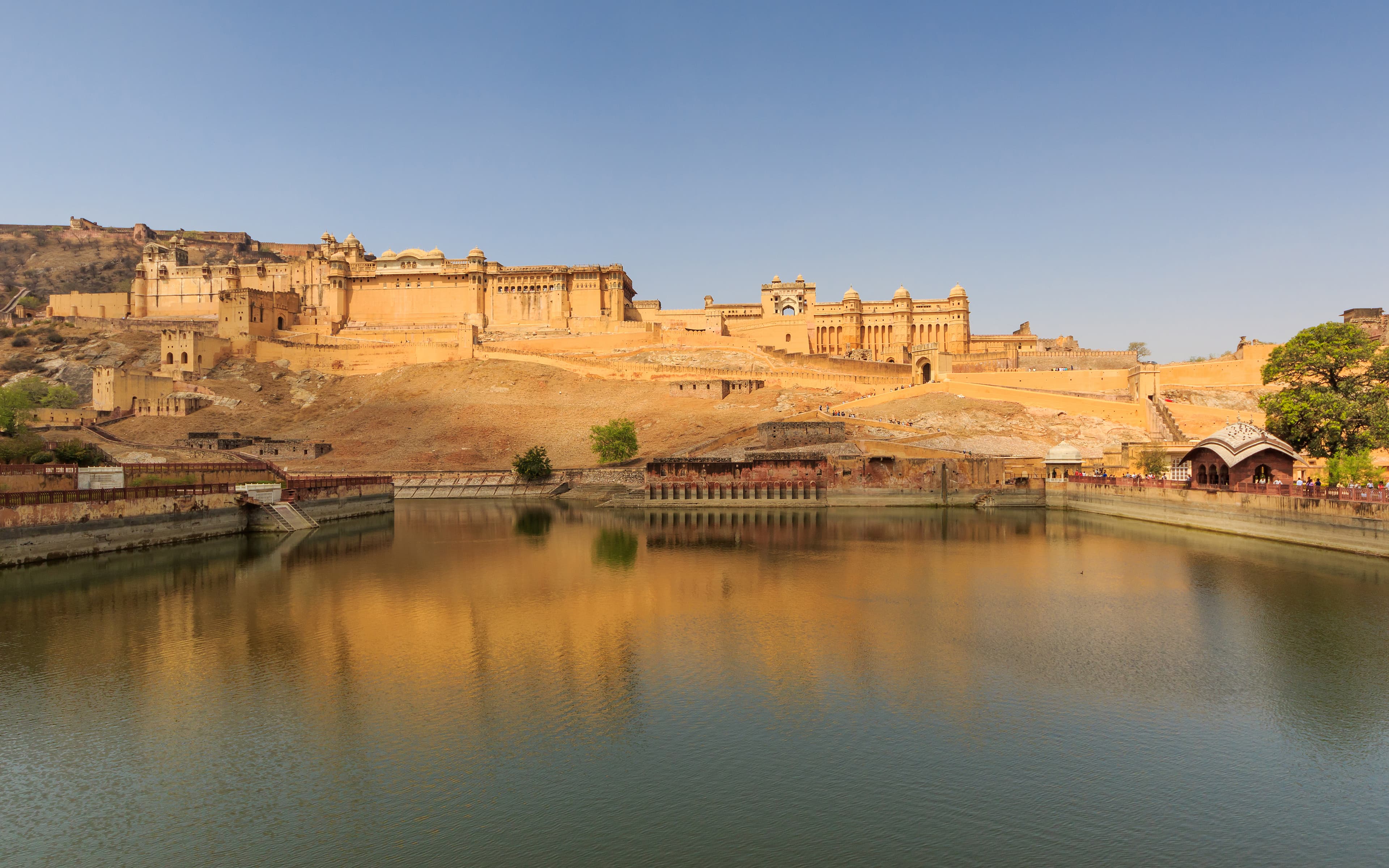
- •Predecessor capital: Amer (Amber), the Kachhwaha Rajput seat about 11 km north, abandoned as capital because the hill site had become cramped and short of water
- •Nine blocks: The walled city is divided into nine rectangular sectors called chowkris - two for state buildings and palaces, seven allotted to the public.
- •The three chaupars: The crossing of the two cardinal axes forms Badi Chaupar (Manak Chowk). A parallel road to the west forms Choti Chaupar (Amber Chowk), placing the palace complex at the centre. A parallel road east forms Ramganj Chaupar (Ram Chowk).
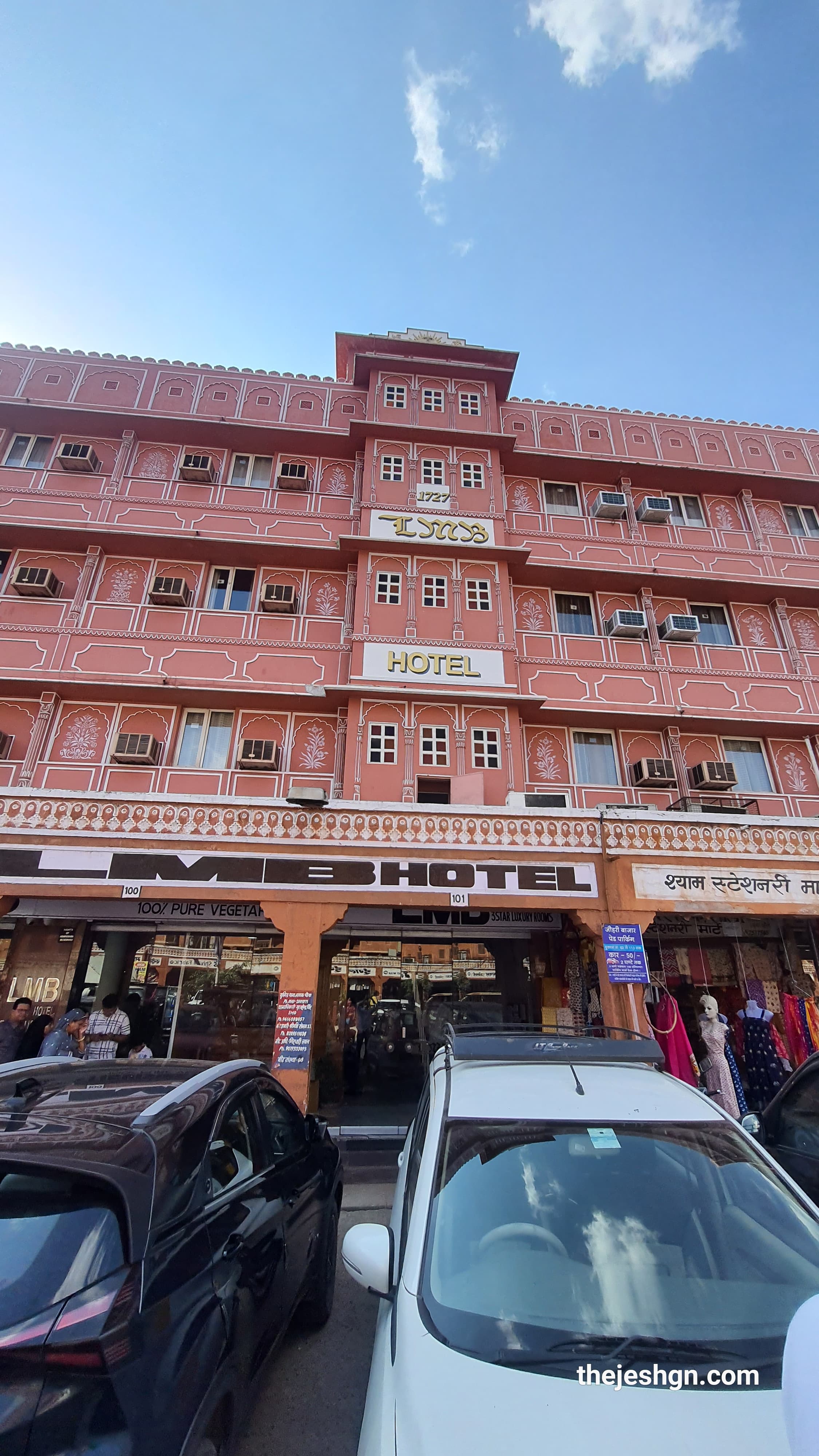
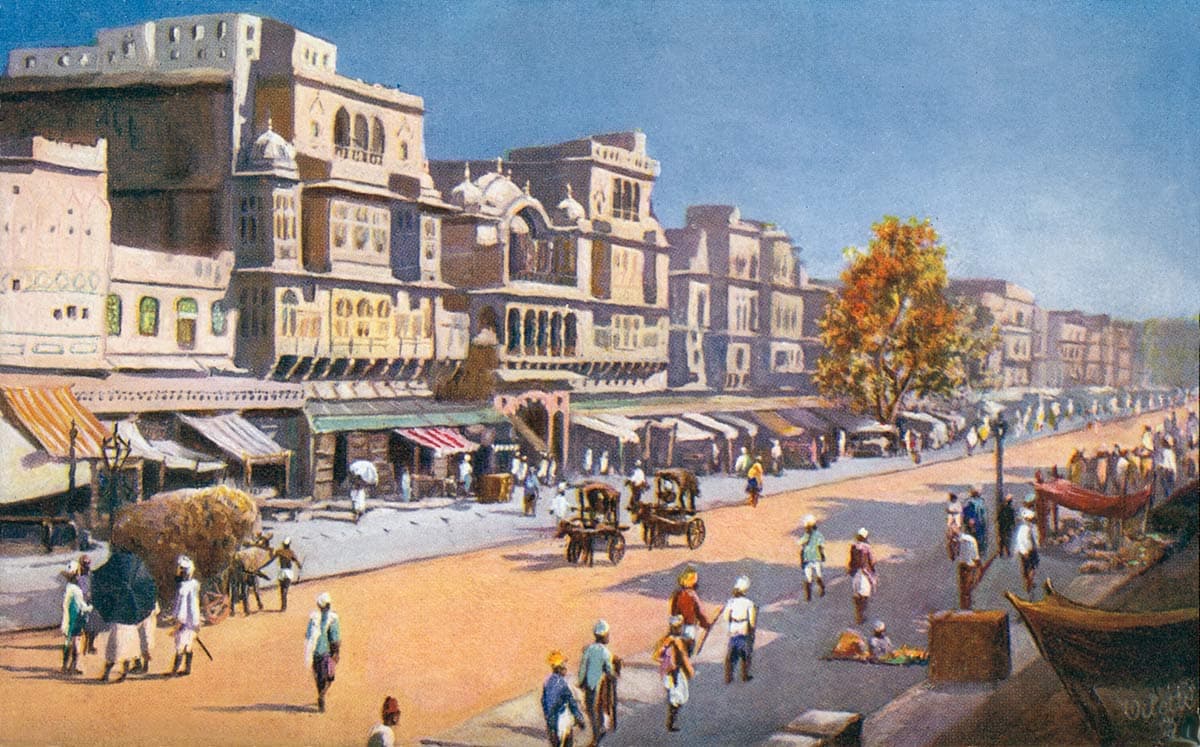
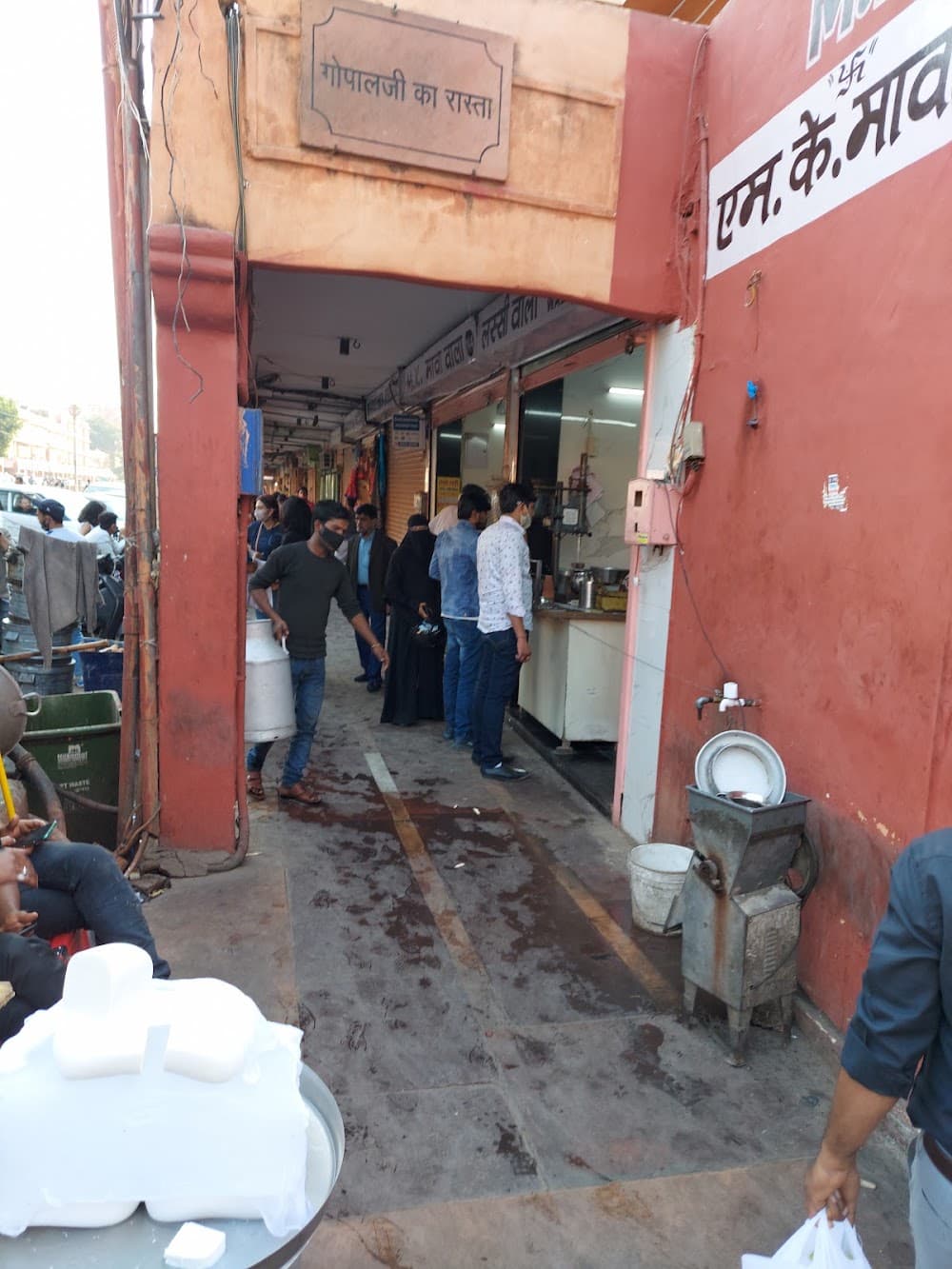
- •Streetscape: Continuous colonnaded shopfronts along the main streets, with uniform facades across markets, shops, residences and temples. The city was designed as a commercial capital and has kept its commercial, artisanal and cooperative traditions.
- •Competing account: The historian Giles Tillotson argues the city was pink before the 19th century, in emulation of the pinkish sandstone buildings of Delhi and Agra. Before 1876 the buildings are described as white or a sallow yellow. Present this as two accounts, not one settled story.
- •Why gems are here at all: Jai Singh II drew craftsmen, including jewellers and lapidaries, to the new city under royal patronage. Johari Bazaar, one of the oldest markets, was commissioned by him and is where the gem and jewellery industry began.
- •Cutting style: Jaipur is known for calibration - cutting to exact dimensions a jeweller specifies - and excels at cabochon and traditional Indian cuts that favour colour and mass over brilliance, unlike the Western brilliant cut.
- •Trade assigned by street: Streets were assigned to specific trades at foundation and the layout largely survives: gem dealers in Johari Bazaar, lac bangle makers in Maniharon ka Rasta, brassware in Tripolia Bazaar, marble carvers in Khajane Walon ka Rasta.
- •GI-registered crafts (state list): Blue Pottery of Jaipur; Sanganeri Hand Block Printing; Bagru Hand Block Printing; Kathputlis of Rajasthan; Molela Clay Work; Kota Doria; Thewa Art; Pokaran Pottery; Phulkari; Bikaneri Bhujia; Makrana Marble; Sojat Mehndi. Only the first four are Jaipur-district crafts.
- •Not GI-registered: Kundan-meenakari jewellery, lac bangles, leheriya, bandhej and mojari/jutti are major Jaipur crafts with no GI of their own. Empty is a correct answer - do not invent a GI status.
- •Blue pottery technique: Made from frit, similar to Egyptian faience, and contains no clay: quartz powder, powdered glass, fuller's earth, borax, gum and water, glazed and low-fired. Decoration is Mughal arabesque with bird and animal motifs.
- •Seasonal note: Ghewar is a monsoon and Teej sweet; it is made and eaten around Shravan rather than year-round. Ker sangri is a desert-forage dish tied to its own season.
- •Best season: October to March. Peak cultural density is January (Jaipur Literature Festival, Makar Sankranti kite festival) and March-April (Gangaur, Elephant Festival around Holi).
AI-drafted from general knowledge — may contain mistakes.
Jaipur at a glance
- 🏛️Jaipur City, Rajasthan - inscribed 2019 under criteria (ii), (iv) and (vi). Property 710 ha, buffer zone 2,205 ha, dossier 1605. India's second inscribed city after Ahmedabad.
- 🏛️The carrying attributes are named explicitly: the 18th-century town plan, the iconic monuments, the urban form, the gates, the bazaars and the streets. The bazaars are part of the World Heritage citation, not a shopping footnote.
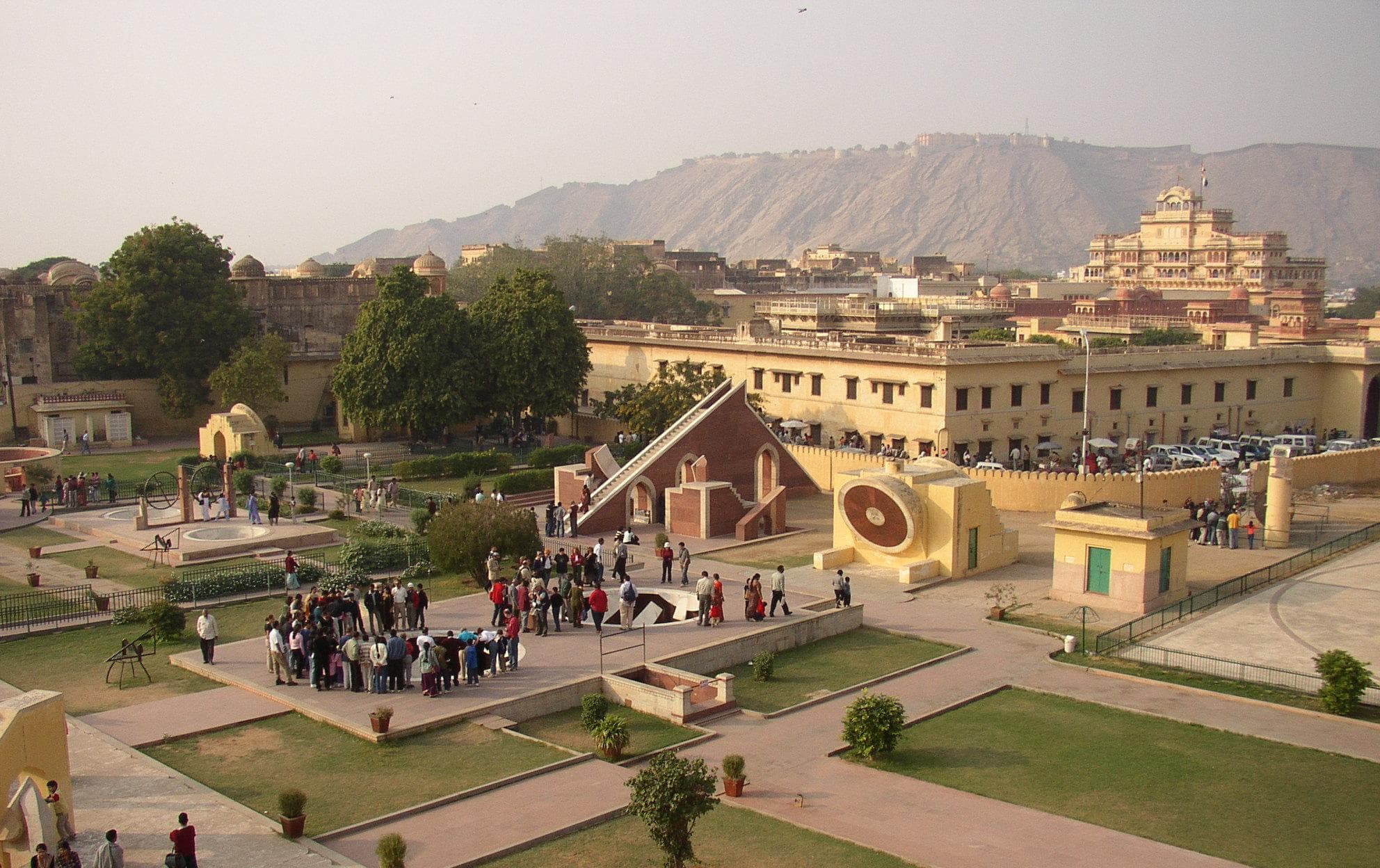
- 🏛️Jantar Mantar was separately inscribed in 2010. Amer Fort is part of the serial 'Hill Forts of Rajasthan' inscribed in 2013. These are three distinct inscriptions, not one.
- ⚠️Gem scams targeting foreign visitors are a long-standing Jaipur problem - typically an invitation to carry stones abroad for resale. Buy from established dealers
- ⚠️and treat any 'export profit' proposition as a scam. 'Banarasi-style' logic applies here too: machine-printed cloth is widely sold as hand block print
- ⚠️and Kripal Kumbh-style blue pottery is widely imitated.
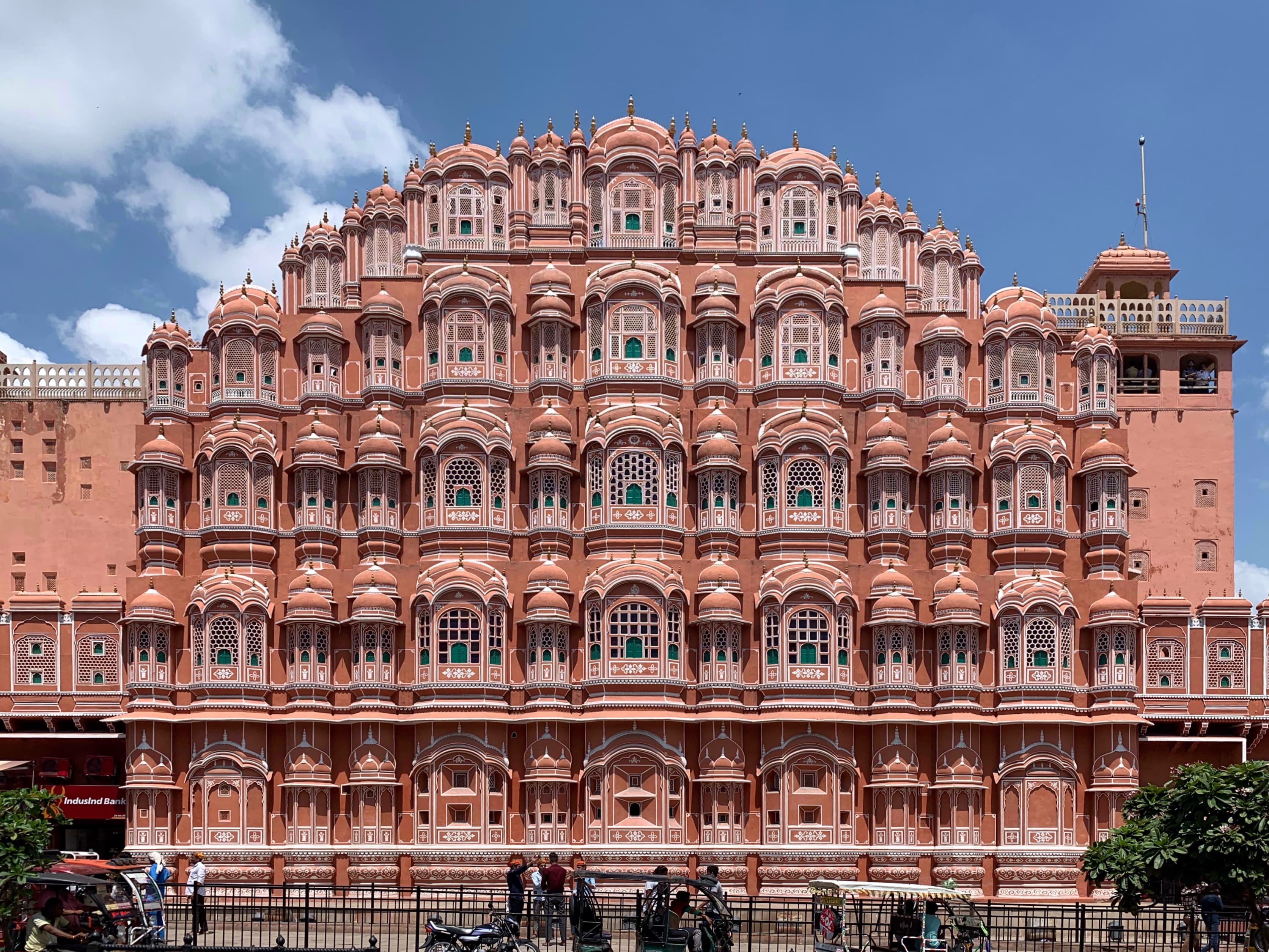
In 1876 Maharaja Sawai Ram Singh II had the city painted terracotta pink for the visit of Prince Albert Edward, Prince of Wales; pink read as the colour of hospitality. In 1877 he made the colour compulsory for buildings in the walled city, and the rule still stands - the municipal corporation repaints the main bazaar facades periodically.
Jaipur is one of the world's leading centres for coloured gemstone cutting, trading and jewellery manufacture, per GIA. Surat handles diamonds; Jaipur handles coloured stones and is among the leading emerald cutting and trading centres worldwide.
History at a glance
- 10th-11th c. (disputed) · PRE_KACHHWAHAOne account holds the Meenas built the Amer stepwell now called Panna Meena ka Kund before the Rajputs arrived. Competing accounts date it to the 16th century.
- 1592 onward · MUGHALAmer Fort is developed by Raja Man Singh I and successors as the Kachhwaha capital, with the Shila Devi temple installed in the complex.
- 1590 · MUGHALRaja Man Singh I of Amer, with Akbar, builds the Govind Dev temple at Vrindavan; Akbar is recorded as donating the red sandstone and land.
- 17th c. · MUGHALUnder Aurangzeb the Govind Dev image is moved repeatedly for safety - Kama, Radhakund, Govindpura near Sanganer - before reaching Amer.
- 1714-1715 · MUGHALThe Govind Dev images reach Kanak Vrindavan in the Amer valley, then Jai Niwas.
- 1727 · FOUNDINGJaipur is founded by Sawai Jai Singh II on the plain below Amer, laid out by Vidyadhar Bhattacharya on a nine-block grid. Craftsmen, including jewellers and lapidaries, are drawn in under royal patronage; Johari Bazaar is commissioned.
- 1727-1734 · FOUNDINGSurviving City Palace Museum maps show instructions for the planning of the first four chowkris and their bazaars, and the wall boundary being executed.
- c. 1734 · FOUNDINGJantar Mantar, Jai Singh II's masonry astronomical observatory, is built. He built instruments rather than adopting telescopes, aiming at a systematic picture of the whole sky.
- 1735 · FOUNDINGThe Govind Dev image is installed at Suraj Mahal; tradition holds Jai Singh vacated the palace after a dream that it was meant for the deity.
- 1799 · COLONIALHawa Mahal is built on the Sireh Deodi edge of the palace complex.
- 1835-1880 · COLONIALReign of Sawai Ram Singh II, a sustained patron of the arts. Blue pottery is promoted in this period.
- 1876 · COLONIALThe city is painted terracotta pink for the visit of Prince Albert Edward. Albert Hall is founded in his honour and the prince lays its foundation stone.
- 1877 · COLONIALRam Singh II makes the pink colour compulsory for buildings in the walled city. The rule remains in force.
- 1922-1949 · COLONIALReign of Sawai Man Singh II, the last ruling Maharaja of Jaipur, later Rajpramukh of Rajasthan 1949-1956 and Ambassador to Spain 1965-1970.
- 1949 · MODERNJaipur becomes the capital of the newly formed state of Rajasthan.
- 2010 · MODERNJantar Mantar is inscribed as a UNESCO World Heritage Site in its own right.
- 2013 · MODERNAmer Fort is inscribed as part of the serial property 'Hill Forts of Rajasthan'.
- 6 July 2019 · MODERNJaipur City is inscribed on the World Heritage List at the 43rd session of the World Heritage Committee in Baku, under criteria (ii), (iv) and (vi).
- March 2022 · MODERNThe Jaipur Nagar Nigam Heritage Regulation 2022 is notified, setting guidelines to maintain the walled city's heritage integrity.
Best time to visit
Jaipur's climate is generally hot and dry during the summer months, with temperatures soaring during the peak summer season. The monsoon season brings relief from the heat, with moderate rainfall from July to September, making the autumn season pleasant and comfortable.
- Teej (Hariyali Teej) · Jul-Aug · anchored to Shravana Shukla TritiyaJaipur's signature festival. The image of Teej Mata is carried in a decorated palanquin from the City Palace through the old city, accompanied by elephants, camels, folk dancers and musicians. Women wear green, apply henna and swing on decorated jhoolas.
- Gangaur · Mar-Apr · anchored to Chaitra Shukla Tritiya, ending an 18-day observanceAn 18-day observance for Gauri. Women carry earthen pots and decorate clay images; the closing procession leaves the Zanani Deodhi of the City Palace, crosses the city and ends near Talkatora, where the images are given farewell at water.
- Makar Sankranti / Kite Festival · 14 January · anchored to Solar - 14 January, fixedThe whole city goes to the roof and the sky fills with kites. A three-day international kite competition runs at the Polo Ground with prizes awarded at Umaid Bhawan. Til laddoo, gajak and chikki are the food of the day.
- Jaipur Literature Festival · January · anchored to Fixed calendar event, not lunarA large international literary festival with free general entry on prior registration. It moves the city's whole hospitality market for a week.
- Elephant Festival · March · anchored to Tied to HoliDecorated elephants, processions and performances held around Holi.
- Holi · March · anchored to Phalguna PurnimaHolika Dahan bonfires the night before, colour the following day.
- Ganesh Chaturthi · Aug-Sep · anchored to Bhadrapada Shukla ChaturthiThe city's largest Ganesha observance, centred on Moti Dungri.
- Navratri · Sep-Oct · anchored to Ashvin Shukla Pratipada to NavamiThe Kachhwaha family deity's season; Amer Fort's visitor profile changes completely for nine days.
- Janmashtami · Aug-Sep · anchored to Bhadrapada Krishna AshtamiThe principal festival of the city's principal temple, observed with particular scale at Govind Dev Ji.
- Annakut · Oct-Nov · anchored to Day after DiwaliA very large food-offering event, among the biggest of its kind in the region.
- Diwali · Oct-Nov · anchored to Kartik AmavasyaJaipur's bazaars are illuminated and judged in a municipal competition, making the walled city itself the attraction. Distinct from Diwali anywhere else in India.
- In 12 daysGandhi Jayanti · 2 October
- In 29 daysDurga Ashtami / Maha Navami · 19 October
- In 30 daysDussehra (Vijayadashami) · 20 October
- In 39 daysKarwa Chauth · 29 October
Real dates, not AI-drafted — sourced from the Hindu Panchang, same for every destination.
Weather details and any festival without a stated lunar anchor above are AI-drafted from general knowledge, not independently verified — timing is approximate; double-check before planning around one.
Part of these sacred circuits
Near me
Share your location to see famous places closest to you right now.
Famous places in Jaipur
Sacred & Spiritual
See all 69 →Heritage & Monuments
See all 54 →Nature & Outdoors
See all 29 →Shops & Restaurants
See all 58 →Places to Stay
See all 16 →Getting there & around
- Air — Jaipur International Airport (Sanganer)
- Rail — Jaipur Junction and Gandhinagar railway stations
- Road — NH-48 from Delhi, roughly 280 km
- Rail — Jaipur Metro Pink Line serves Chandpole and Badi Chaupar, which puts the walled city on rail - worth naming, since the generic 'auto-rickshaw' answer misses it. Inside the bazaars, walking is faster than any vehicle.
What travellers actually paid
Reported by real travellers, not looked up — a real range with a count, never a single guessed number.
Loading…
Famous eateries & specialties
Sourced from city research where available, otherwise AI-drafted from general knowledge — double-check specifics before relying on it.